What is Ashwagandha? Benefits, Side Effects & What to Look For (2026)

Written by Jordan Caulfield & Reviewed by Paul Holmes.
Modern life can often feel like a juggling act - work, family, health, sleep, it’s no wonder so many of us are looking for ways to feel calmer and more balanced in our day-to-day lives.
That’s where ashwagandha, a small but mighty herb, comes in. Once a hidden gem of traditional Indian medicine, it has now become one of the most talked-about natural supplements in wellness circles.
You’ll find ashwagandha in capsules, smoothies, gummies, powders, teas, and even drinks but what exactly is it, and what does it do for the body? In this article, we’ll take a closer look at what ashwagandha is, what it’s good for, and the possible side effects you should know about. We’ll also touch on what the science says, how to choose the right extract, and how it could fit into your daily routine.
What is Ashwagandha?
Ashwagandha (Withania somnifera) is a small evergreen shrub that is native to India, the Middle East, and parts of Africa.
Its unusual name comes from Sanskrit , “ashva” meaning “horse” and “gandha” meaning “smell”. Traditionally, people believed the herb’s strength and vitality mirrored that of a horse.
For thousands of years, ashwagandha has been used in Ayurvedic medicine to support energy, resilience, and longevity.
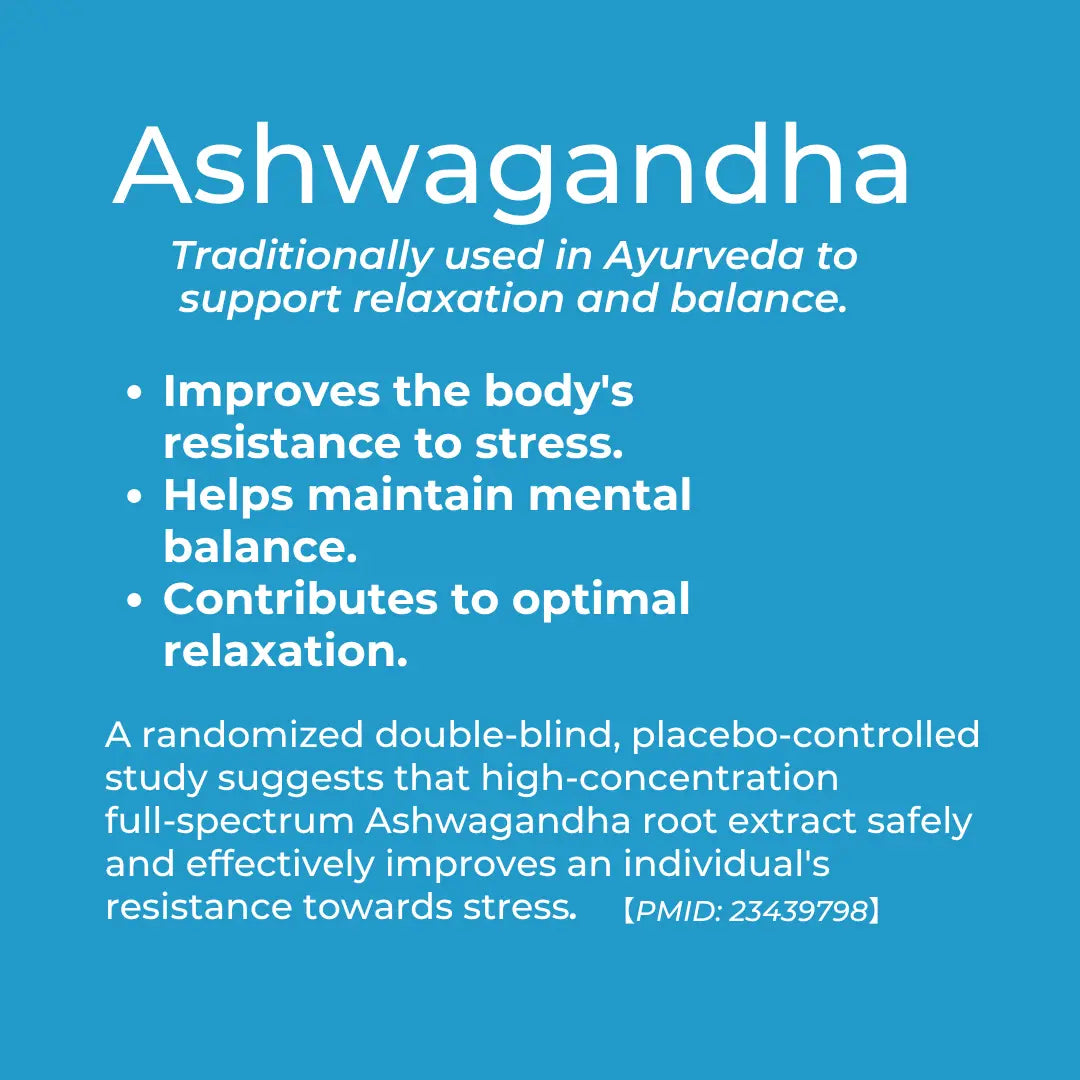
Today, it’s known as an adaptogen, a natural compound that helps your body adapt to stress and stay balanced.
You’ll typically find ashwagandha in powdered or capsule form, made from its roots. But modern extracts, such as KSM-66® Ashwagandha, are more concentrated for maximum potency and purity. The active compounds responsible for most of its effects are called withanolides - steroidal lactones found primarily in the root that interact with the body's stress-response system.
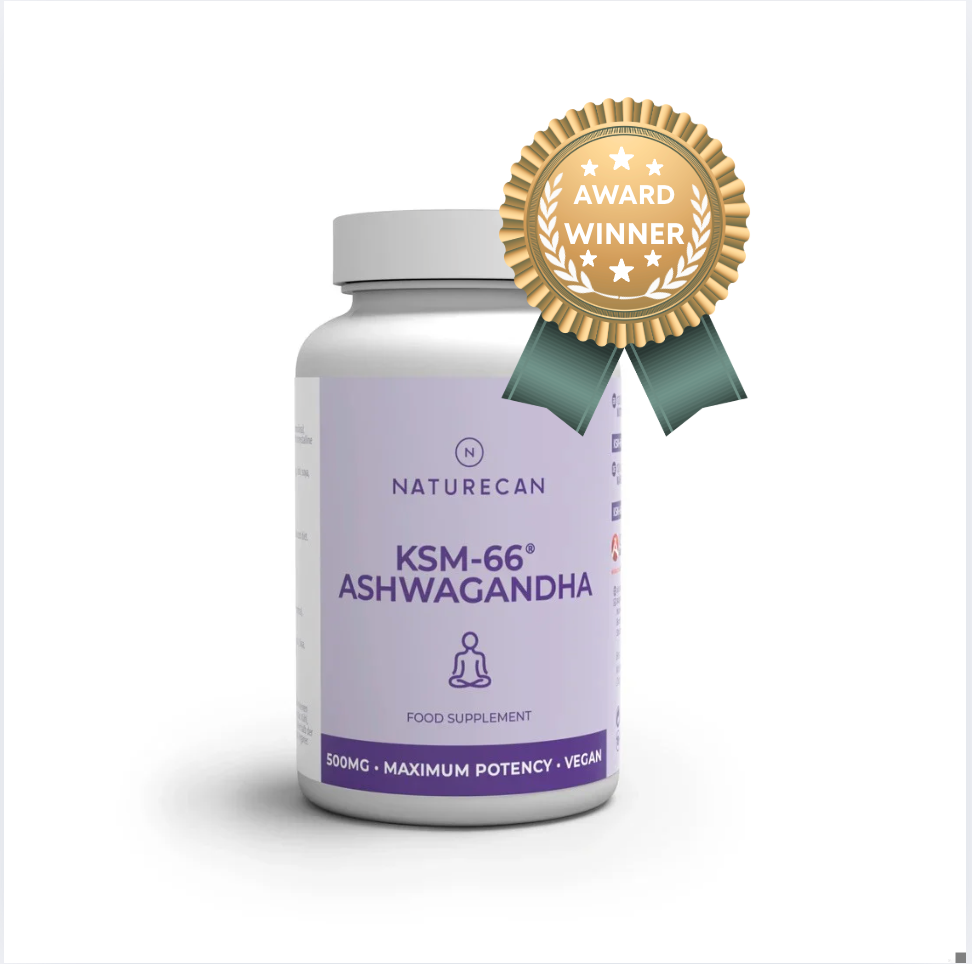
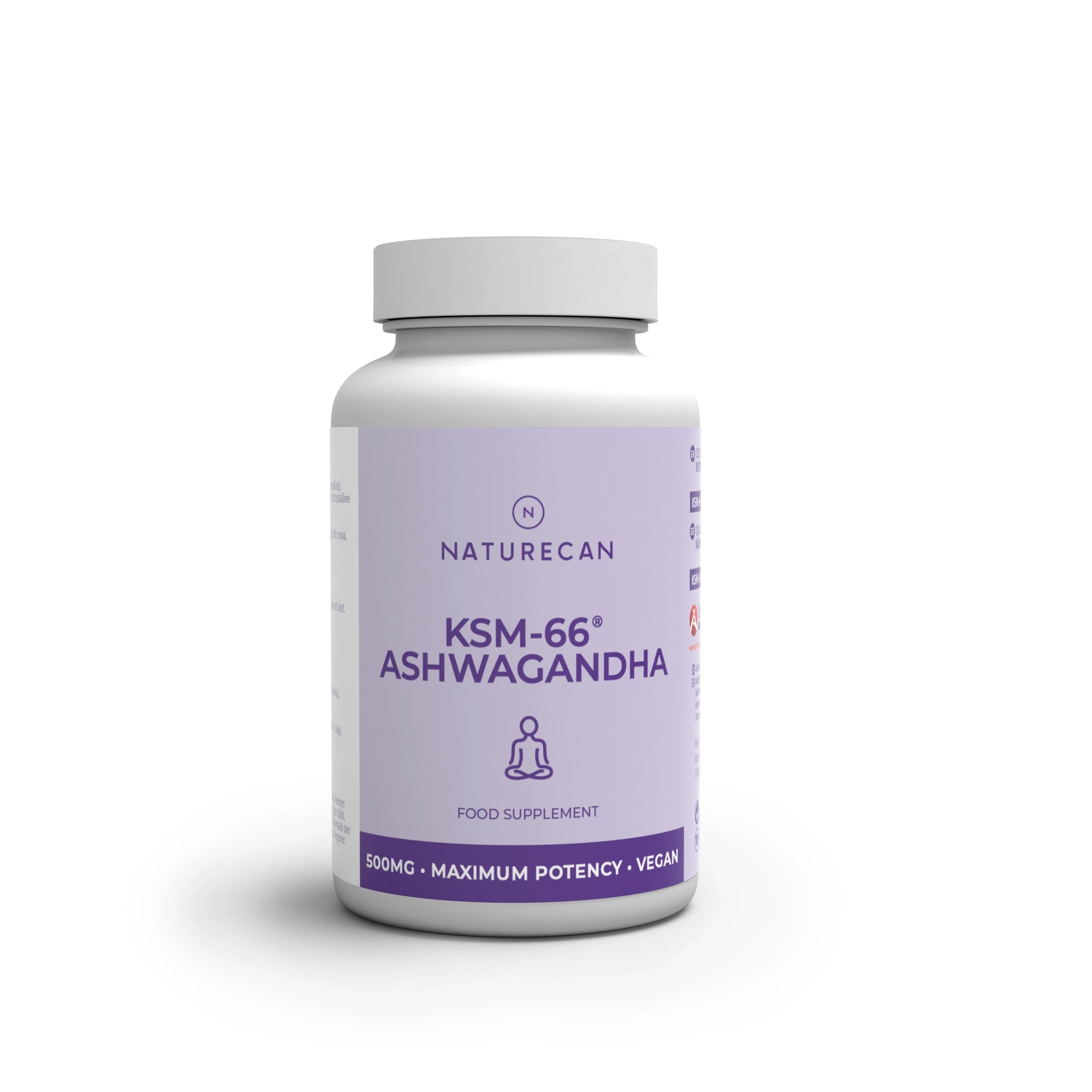
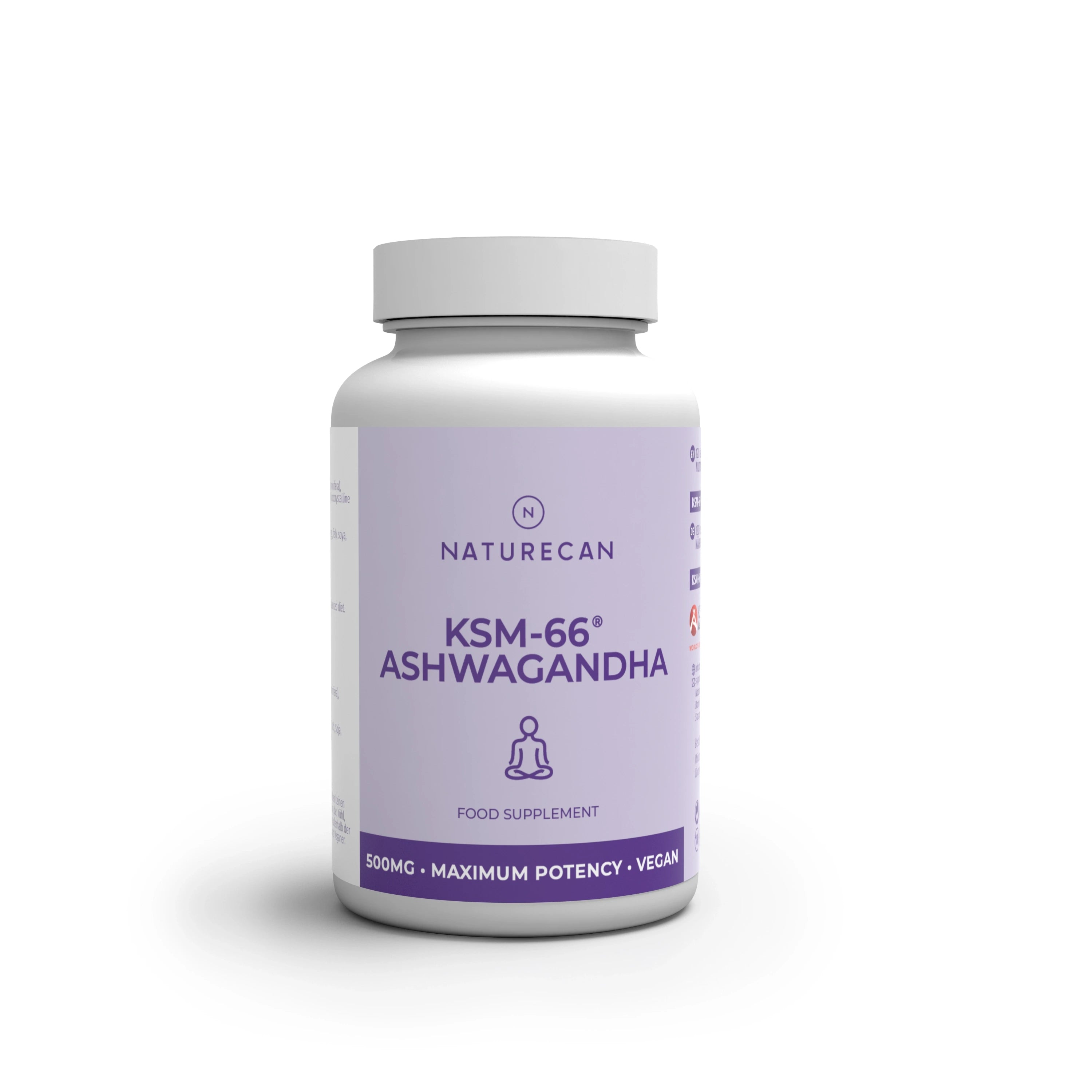
Ashwagandha Supplement by Naturecan
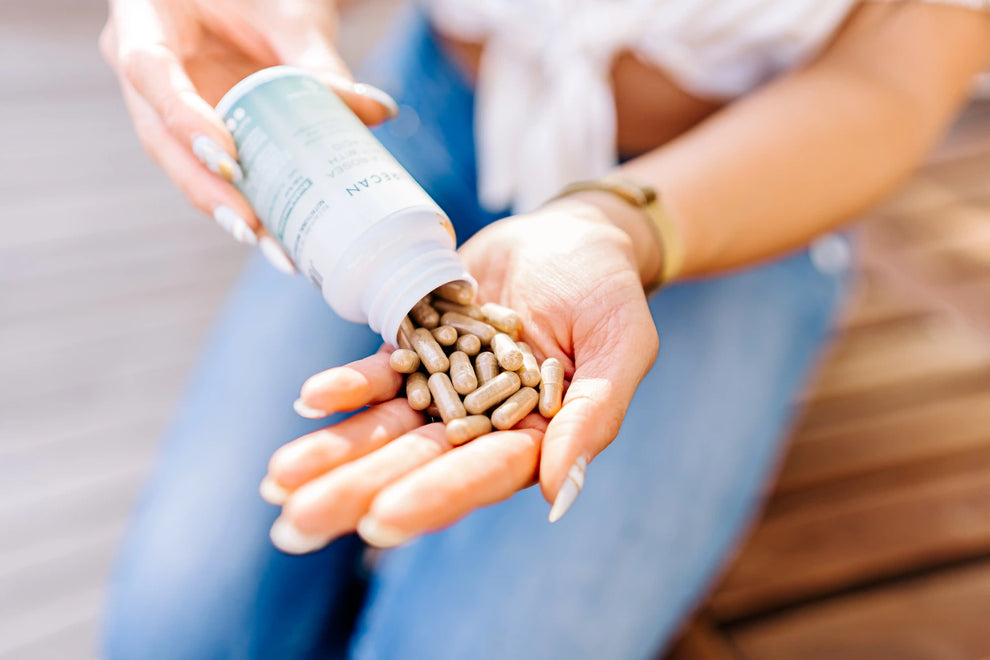
Discover the natural goodness of our KSM-66® Ashwagandha capsules, crafted with pure Ashwagandha root extract.
Perfect for anyone with a busy schedule, these capsules are a simple addition to your daily routine, offering a moment of tranquility in your day.
- Award-winning KSM-66® capsules [1]
- High root extract concentration & high bioavailability
- Vegetarian
- 500mg per capsule


What Is Ashwagandha Used For?
So, what is ashwagandha used for? Well, recent research suggests it may support the body and mind in several key ways, from helping the body's resistance to stress maintaining normal sleep quality and even physical performance.
Let’s break it down in more depth:
1. Stress And Emotional Balance
Ashwagandha’s biggest claim to fame is its ability to help the body maintain balance when under physical or emotional stress. It may do this by influencing cortisol, our primary “stress hormone”.
Several studies have shown that people who took ashwagandha daily for a few weeks had lower cortisol levels [1] .
In simpler terms, it may help you feel calmer and more in control, especially during hectic periods.

Want more tips to lower your cortisol levels?

Download our practical guide!
Breathing techniques, diary suggestions and much more!
In our guide, we provide you with 5 practical tips that you can easily incorporate into your daily routine to lower your cortisol levels!
2. Rest And Relaxation
If you struggle to switch off at night, ashwagandha could offer some gentle support. Because it helps regulate stress hormones, it is used to support relaxation which could contribute towards a more restful night.
A 2021 study found that participants taking ashwagandha extract slept better and woke up feeling more refreshed [2].
You can take it in the morning or evening which is what makes it so versatile. Some people may prefer a night-time dose to help them unwind.

3. Sharper Focus And Mental Clarity
Ashwagandha has also been studied for its potential to support normal cognitive function. It has been traditionally used for supporting mental performance, focus and concentration, particularly during stressful times.
One 2022 review found that people taking ashwagandha showed measurable improvements in attention and working memory [3].
While it’s no magic bullet, the findings are encouraging for anyone juggling a busy mind.

4. Physical Performance And Energy Support
For those who are active, ashwagandha even has potential positive effects on physical performance.
A clinical trial found that participants taking 600 mg of ashwagandha daily saw measurable gains in strength and endurance compared to a placebo group [4]. More recently, a January 2026 Nutrients study found ashwagandha root extract also stabilised physiological stress responses in male and female team sports athletes during pre-season training [5].
It’s thought to work by supporting energy production and recovery, perfect if you’re training regularly or simply looking to feel more energised day to day.

5. Women's Health And Hormonal Balance
Ashwagandha is increasingly studied for its role in supporting women’s hormonal health, particularly during perimenopause and menopause. A 2025 randomised controlled trial found that ashwagandha root extract may help support general wellbeing and comfort during perimenopause and menopause, and reduced luteinising hormone (LH) concentrations in women [6].
A separate 2025 review found it also supported mood, sleep quality, hair health, and thyroid health in perimenopause-inclusive cohorts, with only mild, transient side effects reported [7]. It is not a substitute for medical care, but the evidence makes it a promising complementary option - speak with your GP before starting, particularly if you are on thyroid medication or hormone therapy.

KSM-66, Sensoril, and Shoden: What's the Difference?
Not all ashwagandha supplements are equivalent. The term "ashwagandha" covers a wide range of products - from generic root powder to highly concentrated, standardised extracts with robust clinical backing. When comparing KSM-66 vs Sensoril vs Shoden, the differences in source material, withanolide concentration, and clinical evidence are meaningful. Understanding which type you're taking matters.
The three main branded extracts you'll encounter are:

KSM-66®
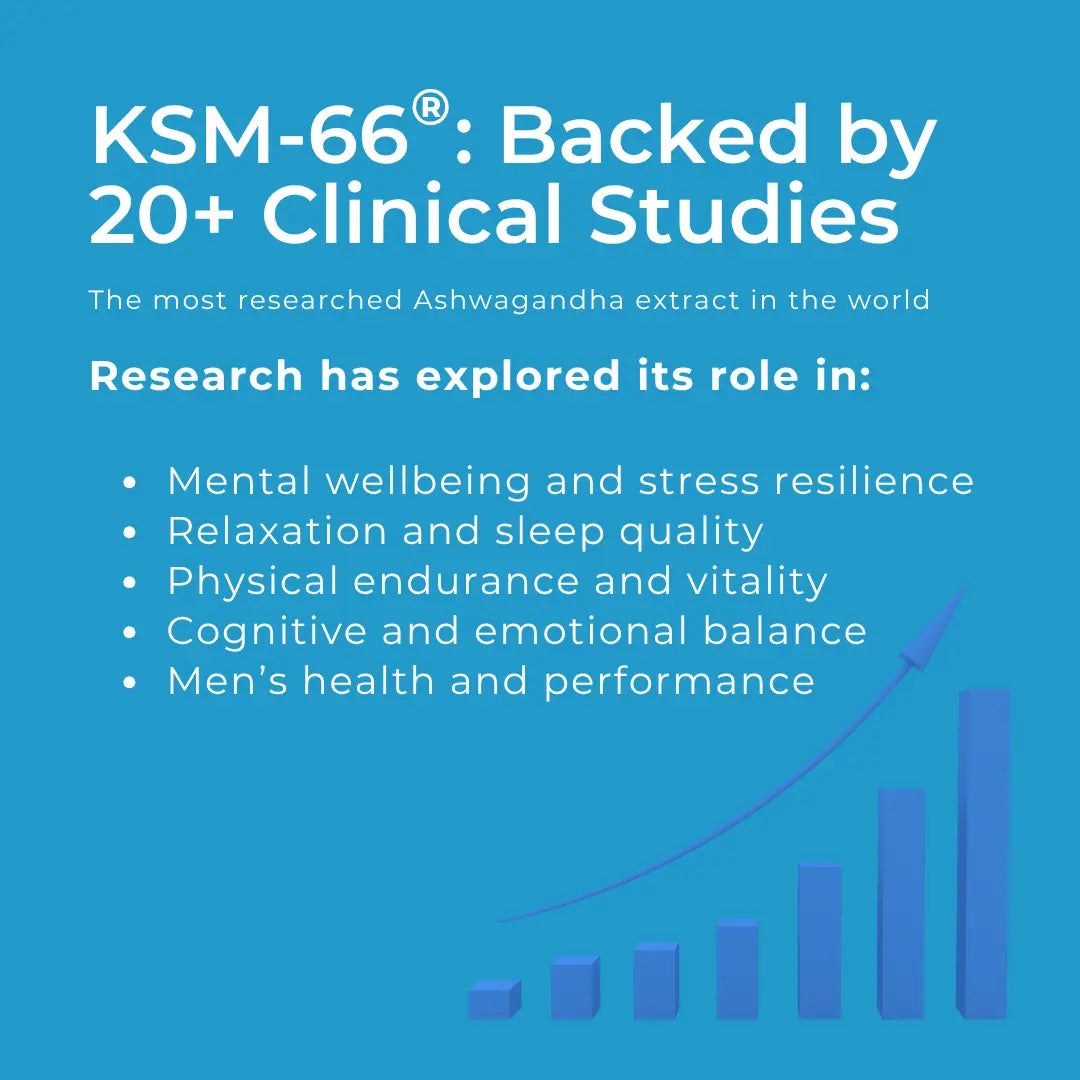
A full-spectrum, root-only extract standardised to 5% withanolides, with 50+ studies and the most extensive clinical base of any ashwagandha extract. Chandrasekhar et al. (2012) found a 27.9% reduction in serum cortisol at 600 mg/day after 60 days [1]. This extract is used in Naturecan's ashwagandha supplement.

Sensoril®
Uses both root and leaf material, resulting in a higher withanolide concentration (10%+). It is most commonly studied for sleep quality and calming effects, making it well suited to evening use.

Shoden®
The most concentrated of the three, standardised to 35% withanolide glycosides. It is typically used at much lower doses (as little as 60–120 mg) and has shown bioactivity in sleep, stress, and vitality studies.
A 2025 systematic review and meta-analysis pooling 15 RCTs with 873 participants found statistically significant reductions in serum cortisol at 8 weeks of supplementation across ashwagandha studies (p < 0.0001) [8]. Most trials used branded extracts, reinforcing the importance of choosing a standardised product over generic root powder.
When buying ashwagandha, look for: the extract type named on the label, the withanolide percentage, the dose per serving, and whether the product has been third-party tested for purity. Naturecan's KSM-66® capsules are independently verified - you can view certificates of analysis on the website.
What the Science Says
A growing body of clinical evidence supports ashwagandha's role in stress management, sleep, cognitive function, and physical performance. A 2025 meta-analysis of 15 RCTs found significant cortisol reductions after 8 weeks of supplementation [8], while a 2026 study on a sustained-release ashwagandha formulation (AshwaSR) found further support for its effects on energy and endurance in healthy stressed adults [9].
It’s Generally Considered Safe
A 2022 safety review looked at many human studies and found that ashwagandha is generally safe for healthy adults when taken at the recommended dose of 300mg. [10]
What it means: Most people tolerate it well, though it’s always best to check with your GP if you’re on medication or have a health condition, as it may interact with your existing medication.
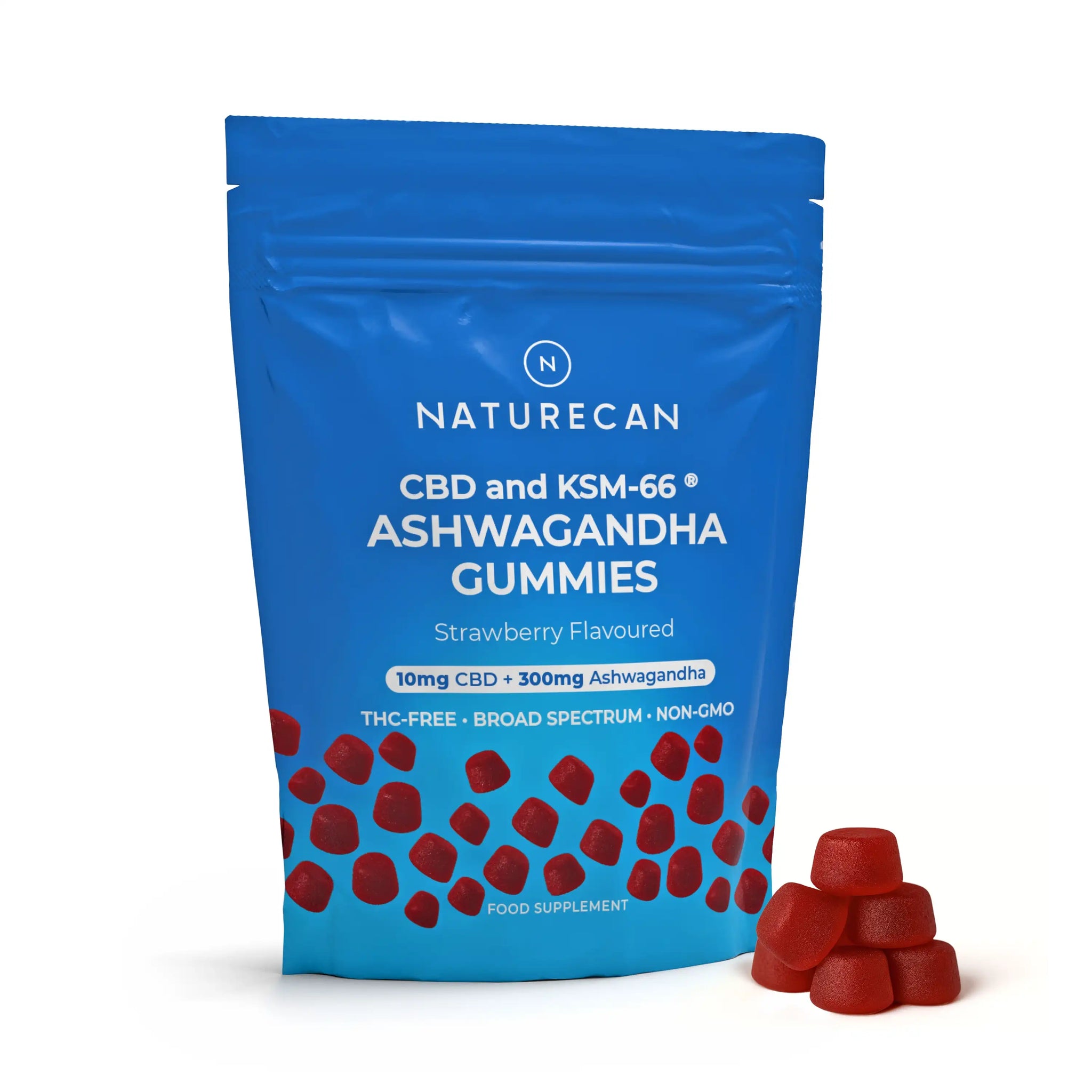
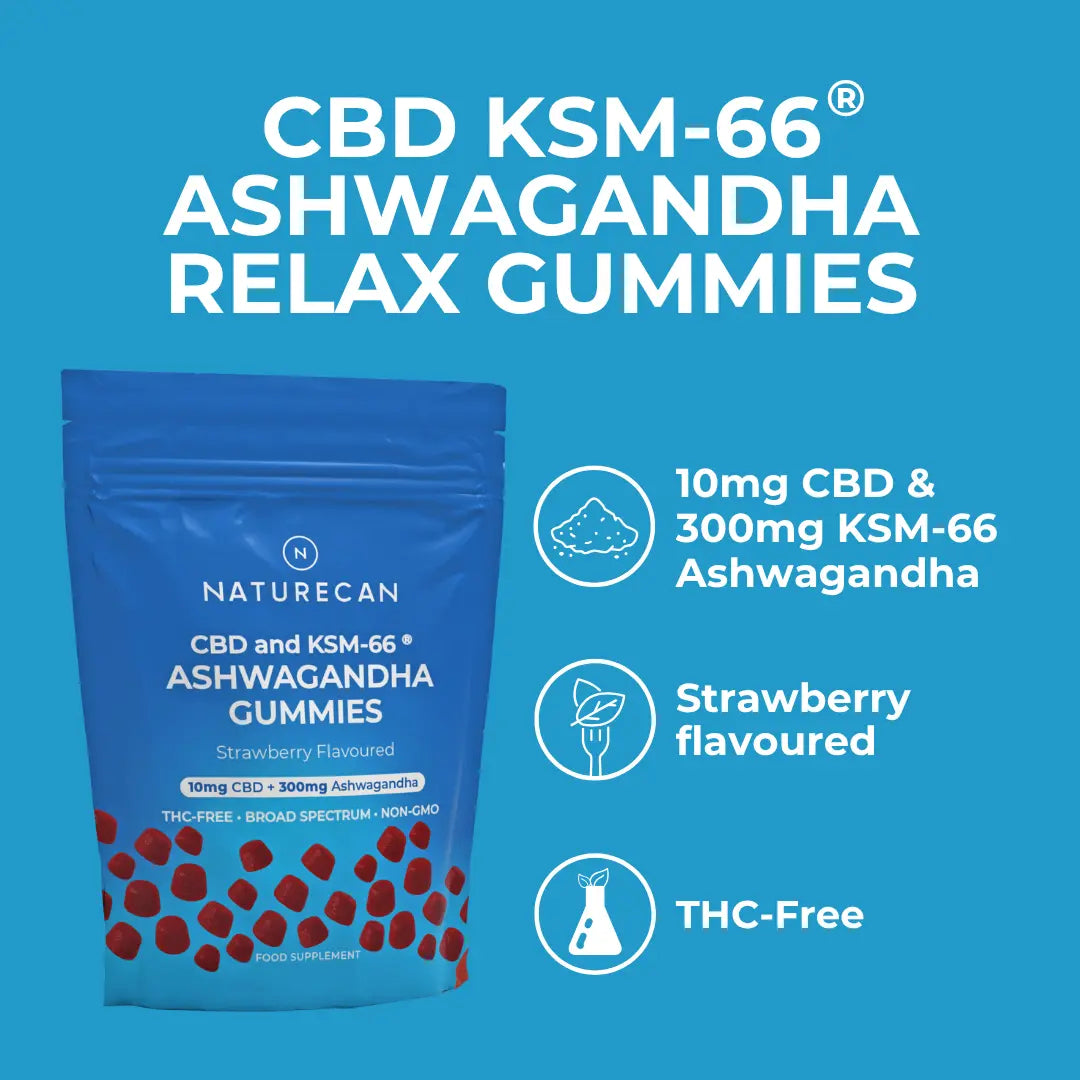
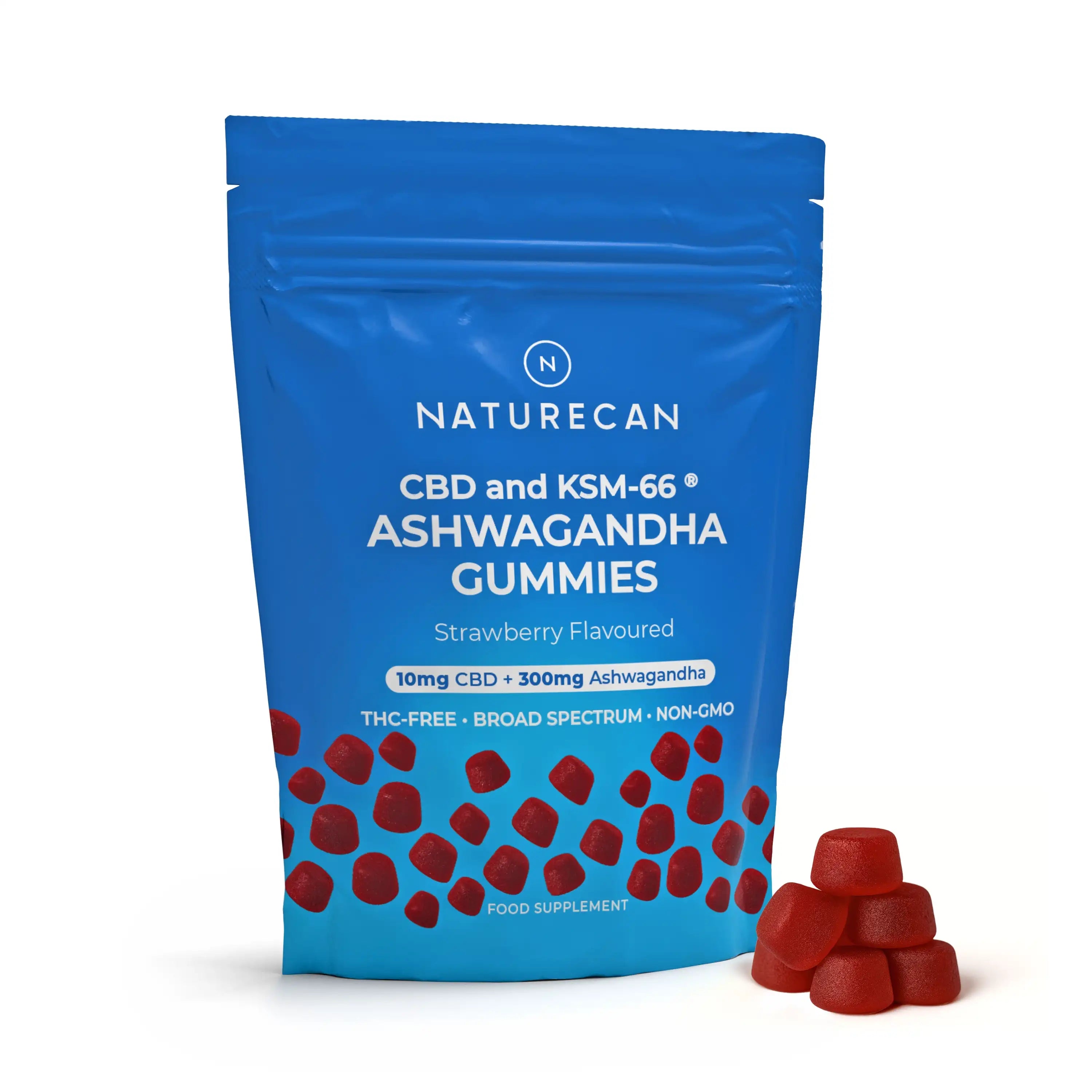
Featured Supplement: Ashwagandha Gummies by Naturecan
Ashwagandha gummies are an easy way to add this well-known adaptogen into your daily routine. Traditionally used for centuries, ashwagandha is often taken to help support balance during times of stress or when you’re feeling a bit out of sync.
- Each gummy contains 150mg of high quality ashwagandha (300mg per serving).
- Contains vitamin B6, which helps in the production of energy from protein and maintains the health of skin and mucous membranes.
- Contents: 60 gummies / 30 servings
- Vegan
- Apple flavour






Ashwagandha and Cortisol: The Link
Cortisol is often called the “stress hormone”, but it’s not all bad - we need it to wake up, think clearly, and respond to challenges.
The problem comes when cortisol stays high for too long, which can affect mood, sleep, and even digestion.
Ashwagandha seems to potentially help the body keep cortisol levels within a healthy range, promoting a calmer state of mind and better resilience to everyday stressors. This is the mechanism behind many of the reported benefits around sleep, mood, and energy - when cortisol is better regulated, the downstream effects on how you feel day-to-day can be substantial.


10 Healthy Ways To Reduce Cortisol Levels
Discover how to reduce and balance your cortisol levels for a healthier lifestyle.
Read MoreIs Ashwagandha Good for Men?

For men, ashwagandha has been studied for some time to uncover its potential to support testosterone levels and fertility markers.
One clinical study found that men taking ashwagandha root extract could see support in male reproductive health and sexual function, likely due to reduced stress and balanced hormone levels [11]. A 2025 meta-analysis including 488 participants also found statistically significant improvements in testosterone levels with ashwagandha supplementation [12].
While these findings are promising, ashwagandha isn’t a substitute for medical fertility treatment, more like a stepping stone to a broader wellness routine.
Is Ashwagandha Good for Women?

Many women take ashwagandha to help manage stress, improve energy, and support emotional balance. Because it’s an adaptogen, it works gently with your body to help regulate hormonal responses to stress, which can be even more useful during busy or transitional periods of life.
Beyond hormonal transitions (covered in section 5 above), women consistently cite stress management, better sleep, and steadier energy as the main reasons for taking ashwagandha day to day.
A 2019 double-blind RCT found ashwagandha significantly improved scores for perceived stress, anxiety, and general wellbeing in healthy adults, with women reporting particular benefits for mood and sleep quality [13]. As with any supplement, if you are pregnant, breastfeeding, or on medication, speak with your GP before starting.
Is Ashwagandha Good for Men?
For men, ashwagandha has been studied for some time to uncover its potential to support testosterone levels and fertility markers.
One clinical study found that men taking ashwagandha root extract could see support in male reproductive health and sexual function, likely due to reduced stress and balanced hormone levels [11]. A 2025 meta-analysis including 488 participants also found statistically significant improvements in testosterone levels with ashwagandha supplementation [12].
While these findings are promising, ashwagandha isn’t a substitute for medical fertility treatment, more like a stepping stone to a broader wellness routine.
Is Ashwagandha Good for Women?
Many women take ashwagandha to help manage stress, improve energy, and support emotional balance. Because it’s an adaptogen, it works gently with your body to help regulate hormonal responses to stress, which can be even more useful during busy or transitional periods of life.
Beyond hormonal transitions (covered in section 5 above), women consistently cite stress management, better sleep, and steadier energy as the main reasons for taking ashwagandha day to day.
A 2019 double-blind RCT found ashwagandha significantly improved scores for perceived stress, anxiety, and general wellbeing in healthy adults, with women reporting particular benefits for mood and sleep quality [13]. As with any supplement, if you are pregnant, breastfeeding, or on medication, speak with your GP before starting.
Ashwagandha and Hair Health
One of the most frequently searched questions about ashwagandha is whether it causes hair loss. The short answer, based on current evidence, is no. A 2025 review found no evidence that ashwagandha causes hair loss or scalp problems. [7]
In fact, the research points in the other direction: a clinical study found that participants using topical ashwagandha experienced significantly less hair shedding and greater improvements in hair density, growth, and thickness compared to a placebo group [14]. On average, their hair growth and thickness improved around five times more than the placebo group after 75 days.
It is worth noting that ashwagandha is often started during periods of high stress or burnout - precisely the conditions that can trigger temporary hair shedding (telogen effluvium). In these cases, shedding that appears shortly after starting ashwagandha is more likely to be a consequence of prior stress than of the supplement itself. If you are concerned about hair changes, speak with a GP or dermatologist.


Potential Side Effects of Ashwagandha
Like most supplements, ashwagandha can cause mild side effects in some people, especially when you first start taking it. These may include:
- Mild digestive upset or bloating
- Nausea or dizziness
- Restlessness
- Temporary changes in mood or emotional responsiveness (see below)
Most side effects are short-lived and fade after a week or two as your body adjusts.
Does Ashwagandha Cause Emotional Numbness?
This is one of the most widely discussed side-effect concerns on social media, particularly TikTok and Reddit, where users report feelings of emotional blunting, reduced motivation, or feeling "flat" while taking ashwagandha. It is worth taking seriously, even though the clinical picture is nuanced.
A comprehensive literature review up to March 2025, drawing on randomised controlled trials, observational studies, and user reports, did not find consistent clinical evidence that ashwagandha causes emotional numbness as a pharmacological effect [15]. However, anecdotal reports are common enough to warrant attention.
A plausible mechanism involves ashwagandha's GABA-mimetic activity and its suppression of cortisol. In some individuals, particularly those who are not chronically stressed, reducing cortisol significantly may result in a temporary feeling of emotional flatness, reduced drive, or low libido. This appears to be dose-dependent and largely reversible on stopping the supplement.
Experiencing emotional blunting?
Consider reducing your dose or pausing use, allowing 2–4 weeks for your body to readjust. A 2025 Mayo Clinic case report noted potential withdrawal symptoms upon discontinuation, attributed to ashwagandha's GABA-modulating activity; gradual tapering may be preferable to stopping abruptly [16]. Speak to your GP if you have any concerns.
Who Should Avoid Ashwagandha?
Ashwagandha may interact with medications such as thyroid treatments, sedatives, or diabetes medicines, so it's always wise to speak with your GP before starting any supplement. It is best avoided by:
- Pregnant or breastfeeding women
- Children
- Anyone taking thyroid, blood pressure, or sedative medications
- Anyone with autoimmune conditions (such as lupus, rheumatoid arthritis, or multiple sclerosis), as ashwagandha may stimulate immune activity

How Much Ashwagandha Per Day?
Most studies use 300–600 mg of root extract (standardised to around 5% withanolides). It's usually taken once daily with food, but you can also split the dose. Morning use may help with focus, while an evening dose may support rest and recovery.
Most clinical trials run for 8–12 weeks. While there is no universal guideline on cycling, many practitioners recommend taking a break of 2–4 weeks after 8–12 weeks of continuous use, to prevent tolerance and allow the body to recalibrate. If you are taking ashwagandha for the first time, starting at the lower end of the dose range (300 mg) is sensible.
The KSM-66® extract used in Naturecan's supplement is one of the most researched and concentrated forms on the market - potent, consistent, and easy to absorb.

Ashwagandha Capsules, Gummies, or Powder - Which Is Best?
Ashwagandha is now available in several formats beyond the traditional capsule:
 1
1Ashwagandha Capsules
The most clinically studied format, offering precise dosing and easy integration into a daily routine. Naturecan's KSM-66® capsules provide 500 mg per capsule with high bioavailability.
 2
2Ashwagandha Gummies
A growing format for those who dislike swallowing capsules. Look for gummies that use a standardised extract (such as KSM-66) rather than generic root powder, and check the dose per serving carefully, as many gummies contain significantly less ashwagandha than capsule equivalents.
 3
3Ashwagandha Powder
Can be added to smoothies or drinks. It tends to use whole root powder rather than a concentrated extract, so the withanolide content is lower and less predictable. Useful for culinary integration but not optimal if seeking standardised clinical doses.
 4
4Ashwagandha Liquid Drops / Tinctures
Alcohol-free options are available and may be absorbed quickly, but clinical evidence for this format is more limited than for capsules.
Supplements to Help Balance Cortisol
Ashwagandha isn’t the only adaptogen that can support a balanced stress response.
Others worth exploring include:
- Rhodiola – may boost energy and focus
- Magnesium – helps muscles relax and supports better sleep
- Vitamin C – vital for adrenal health
- Omega-3 fatty acids – help regulate mood
For a dynamic duo, our Ashwagandha & Rhodiola blend brings together two powerful adaptogens to help you stay balanced and focused.

Is Ashwagandha Safe?
For most healthy adults, ashwagandha is considered safe when used within recommended doses. See the side effects section above for a full list of who should avoid it or speak with a GP before use.
Choosing a reputable brand is also key - quality matters. All Naturecan products are third-party tested for purity, so you can trust what you’re putting into your body.
Why choose Naturecan?
Why choose Naturecan?
Naturecan's ashwagandha supplements are third-party tested before going to market, guaranteeing the highest quality. We now serve over 250,000 customers across 40 countries.
We use KSM-66 ashwagandha - the world's most clinically researched root extract, standardised to 5% withanolides.
Our mission is to help people live healthier, happier lives, and we hope to help you too.
Buy our Naturecan products today, and if you have any questions or concerns, please feel free to
contact us at support-au@naturecan.com
Final Thoughts
Ashwagandha has earned its place as one of the most exciting natural supplements available today. Backed by strong research, it may help you feel calmer, sleep better, support women's hormonal health during perimenopause and perform at your best, all by helping your body adapt more smoothly to stress.
If you’re looking to bring more balance into your life, adding a high-quality ashwagandha supplement could be a great start. At Naturecan, we believe it’s never too late to start looking after your health, and sometimes, the most effective support really does come from nature itself.

Reviewed by Paul Holmes
Director of Science and Innovation at Naturecan
Testing for large pharmaceutical & tobacco companies, Paul has built a wealth of scientific and regulatory knowledge, working on regulatory submissions to bodies such as the FDA and the MHRA.
He holds a BSc in Medicinal and Biological Chemistry and sits on the UKAS CBD Food Product Approval Expert Group.
FAQ's
How long does ashwagandha take to work?
Most people notice benefits after 4–8 weeks of consistent use.
Does ashwagandha increase testosterone?
Some studies suggest it may support healthy testosterone in men, but more evidence is needed.
Does ashwagandha make you sleepy?
Not necessarily, it helps balance energy and calmness rather than causing drowsiness.
Can you take ashwagandha with magnesium?
Yes, many people combine them for extra relaxation and stress support.
Does ashwagandha make you gain weight?
There’s no evidence that it does. In fact, by reducing stress-related cravings, it may even support a more balanced metabolism.
Does ashwagandha increase testosterone?
A 2025 meta-analysis including 488 participants found that ashwagandha supplementation may help support the maintenance of normal testosterone levels [12]. The effect appears most pronounced in men with lower baseline testosterone or those under chronic stress. More research is needed in healthy men with normal testosterone.
Does ashwagandha cause emotional numbness?
This is a common concern, particularly on social media. Clinical evidence does not consistently confirm emotional numbness as a pharmacological side effect [15]. However, some individuals, particularly those not under significant chronic stress, do report feeling emotionally "flat" at higher doses. If this happens, reducing the dose or stopping use typically resolves it within 2–4 weeks. See the full side effects section for more detail.
Is ashwagandha good for perimenopause?
Emerging evidence is promising. A 2025 RCT found ashwagandha root extract helps support comfort and emotional balance during menopause, mood disturbances, and sleep problems, while also supporting hormonal balance [6]. It is not a replacement for hormone therapy where that is clinically indicated, but may be a useful complementary option. Speak with your GP first, especially if you are on any hormonal medications.
Does ashwagandha cause hair loss?
No. A 2025 review found no evidence that ashwagandha causes hair loss or scalp problems [7]. Temporary shedding that some people notice after starting ashwagandha is more likely to be hair shedding triggered by the stress that prompted them to start the supplement in the first place, not the herb itself. Some evidence suggests ashwagandha may actually support hair health when used topically. [14]
What is the difference between KSM-66 and regular ashwagandha?
KSM-66 is a proprietary, full-spectrum root extract standardised to at least 5% withanolides, with over 50 clinical studies behind it [1]. Generic ashwagandha root powder typically contains much lower and less predictable withanolide concentrations. If you want the benefits seen in clinical trials, choosing a product that specifies a standardised extract, and the withanolide percentage, is important.
Can you take ashwagandha every day long-term?
Most clinical trials run for 8–12 weeks and find it safe over that period [10]. For longer-term use, many practitioners suggest cycling, taking a 2–4 week break after each 8–12 week period, though there is no universal guideline. If you choose to take it continuously, it is worth checking in periodically with your GP.