What is Perimenopause? The Complete Guide
Everything you need to know about the hormonal transition that starts earlier than you think

Published:
Written by Becky Burrows & reviewed by Paul Holmes.
Perimenopause is one of the most significant hormonal transitions a woman will experience, yet it remains widely misunderstood and frequently missed. Symptoms can begin as early as the late 30s, span a decade, and affect everything from sleep and mood to skin and cognition. This guide explains what perimenopause actually is, when to expect it, and how to navigate it with confidence.
In this article
- Perimenopause is a distinct hormonal transition - not just a precursor to menopause - that can begin in the late 30s and last up to 10 years. (1, 2)
- Symptoms are wide-ranging and often misattributed. They can also overlap with thyroid dysfunction, iron deficiency and anxiety disorders. (3, 13)
- There is no single diagnostic test. NICE recommends diagnosis based on age, symptoms and menstrual history in women over 45. (7)
- Oestrogen has receptors throughout the body - which is why symptoms span sleep, mood, skin, bones, joints and more. All three hormones (oestrogen, progesterone, testosterone) decline and contribute. (14, 15)
- HRT is the most effective treatment for moderate-to-severe symptoms. Lifestyle changes and supplements can also provide meaningful support. (16)
- Perimenopause is natural but does not have to go unsupported - 25% of women experience symptoms severe enough to affect daily life. (3)
What is Perimenopause and Why is it Important?
Perimenopause, from the Greek peri, meaning 'around', is the hormonal transition phase that precedes menopause. It is not a warm-up act. It is a distinct biological stage in which the ovaries gradually produce less oestrogen, progesterone and testosterone, triggering a cascade of physical and psychological changes. (1)
Menopause itself is defined as the point at which 12 consecutive months have passed without a menstrual period. Perimenopause is everything that leads up to that moment - and it can last up to 10 years. (2)
Key numbers
Up to 80–90% of women experience perimenopausal symptoms. 25% experience symptoms severe enough to affect daily life. Recognition and early action can reduce that impact significantly. (3)


Is it Perimenopause, or is it Something Else?
The symptoms of perimenopause are wide-ranging and often non-specific, which means they are frequently attributed to other causes.
- Fatigue gets blamed on a busy schedule.
- Anxiety is put down to stress.
- Irregular periods are chalked up to 'just one of those months'.
This overlap can significantly delay diagnosis - and leave women navigating a difficult transition without the right support.
A number of conditions share symptoms with perimenopause and may need to be considered or ruled out. Research confirms that hypothyroidism in particular can closely mimic menopausal symptoms and is frequently misattributed in perimenopausal women. (13)
If you are unsure whether your symptoms are perimenopausal, speak to your GP. Blood tests can help rule out thyroid conditions, anaemia and other contributors, even if they cannot definitively confirm perimenopause itself. (7)
| Condition | Overlapping Symptoms | How to Distinguish |
|---|---|---|
| Thyroid dysfunction (hypothyroidism) | Fatigue, weight gain, brain fog, mood changes, irregular periods | TSH blood test; if HRT does not resolve fatigue, thyroid should be investigated (13) |
| Iron deficiency anaemia | Profound tiredness, poor concentration, low mood | Full blood count; common when periods are heavy or irregular |
| Generalised anxiety disorder (GAD) | Anxiety, heightened stress response, sleep disruption | Prior mental health history; symptom timing relative to cycle |
| Polycystic ovary syndrome (PCOS) | Irregular cycles, hormonal imbalance | Can coexist with perimenopause; pelvic ultrasound and hormone panel |
| Type 2 diabetes | Fatigue, mood changes, sleep difficulties | Fasting blood glucose or HbA1c; age of onset can coincide |
GOOD TO KNOW
You do not need to wait until your periods stop to seek help. If your symptoms are affecting your sleep, mood or daily life, that is reason enough to speak to a doctor. Coming prepared with a symptom diary, including when symptoms occur and how severe they are, can make the conversation significantly more productive.

Best Natural Supplements for Menopause
For a broader look at natural approaches to managing menopause symptoms, see our guide to the best natural supplements for menopause.
Read MoreIs Perimenopause a Condition That Needs Treating?
Perimenopause is a natural biological process, not a disease. However, 'natural' does not mean it must be endured without support. Up to 25% of women experience symptoms severe enough to affect daily life. (3) The question of whether to seek treatment is personal and should always be made in consultation with a healthcare professional.
Key considerations when deciding whether to seek support:
- Symptom severity: Mild, manageable symptoms may not require medical intervention. Symptoms that regularly affect sleep, cognitive function, mood or daily activities warrant a conversation with your GP.
- Long-term health implications: Declining oestrogen reduces bone density and raises cardiovascular risk - even when day-to-day symptoms feel mild. (9) Proactive management may be relevant regardless of symptom burden.
- Duration: Perimenopause can last up to 10 years. (2) Managing it without support for an extended period carries its own cumulative toll on physical and mental wellbeing.
| Approach | Examples | Best Suited For |
|---|---|---|
| Lifestyle | Exercise, diet, sleep hygiene, stress management | All women; foundational support |
| Supplements | Magnesium, ashwagandha, omega-3, collagen | Mild-to-moderate symptoms; general wellbeing |
| Non-hormonal therapies | CBT, SSRIs, gabapentin | Women who cannot or prefer not to use HRT |
| Hormone replacement therapy (HRT) | Patches, gels, tablets, sprays | Moderate-to-severe symptoms; bone and cardiovascular protection |
Management and supportive approaches range from lifestyle measures and evidence-informed food supplements through to prescribed medical options like hormone replacement therapy (HRT). The right approach depends on individual health history, risk profile and personal preference. The important thing is that women know they have options - and feel empowered to ask for them.
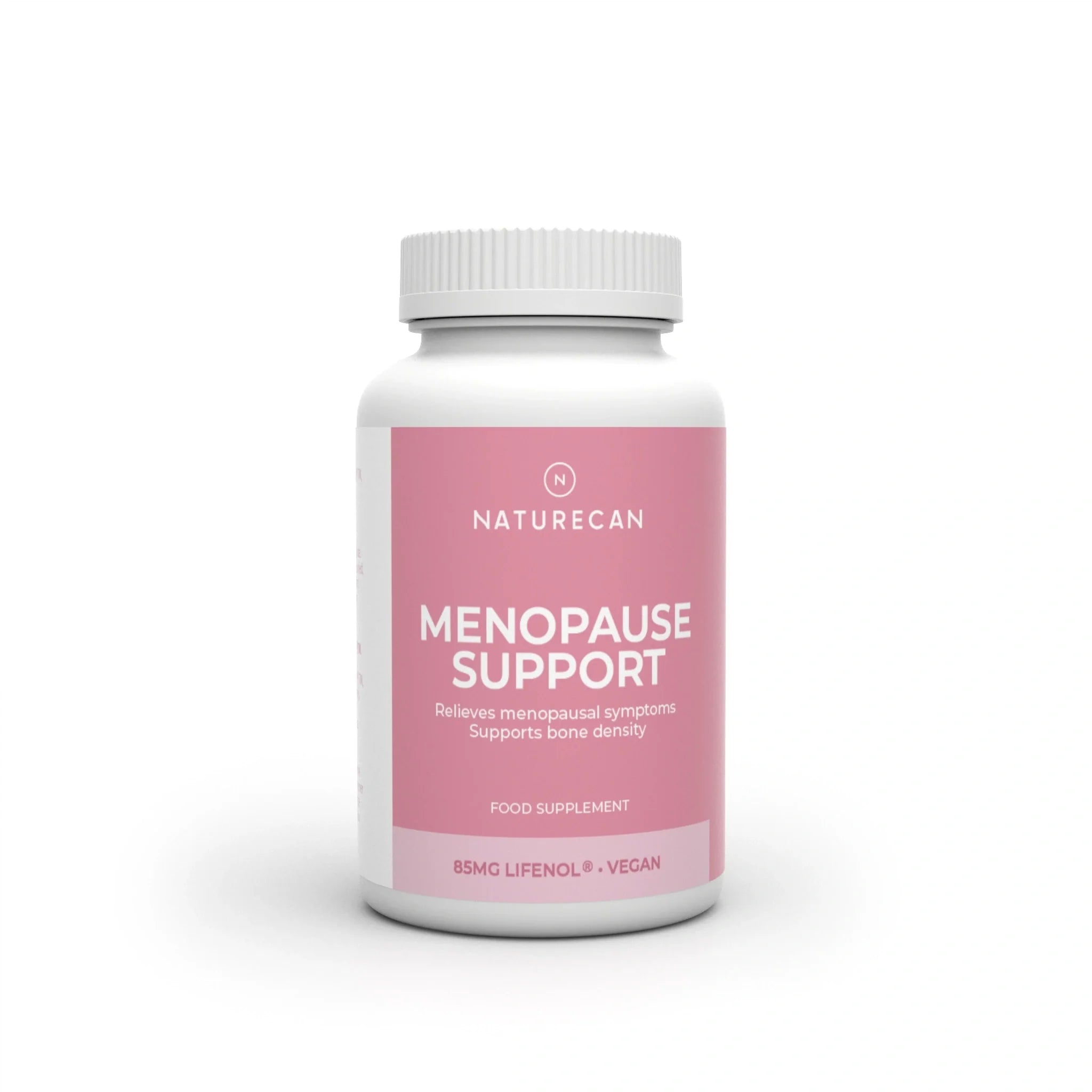
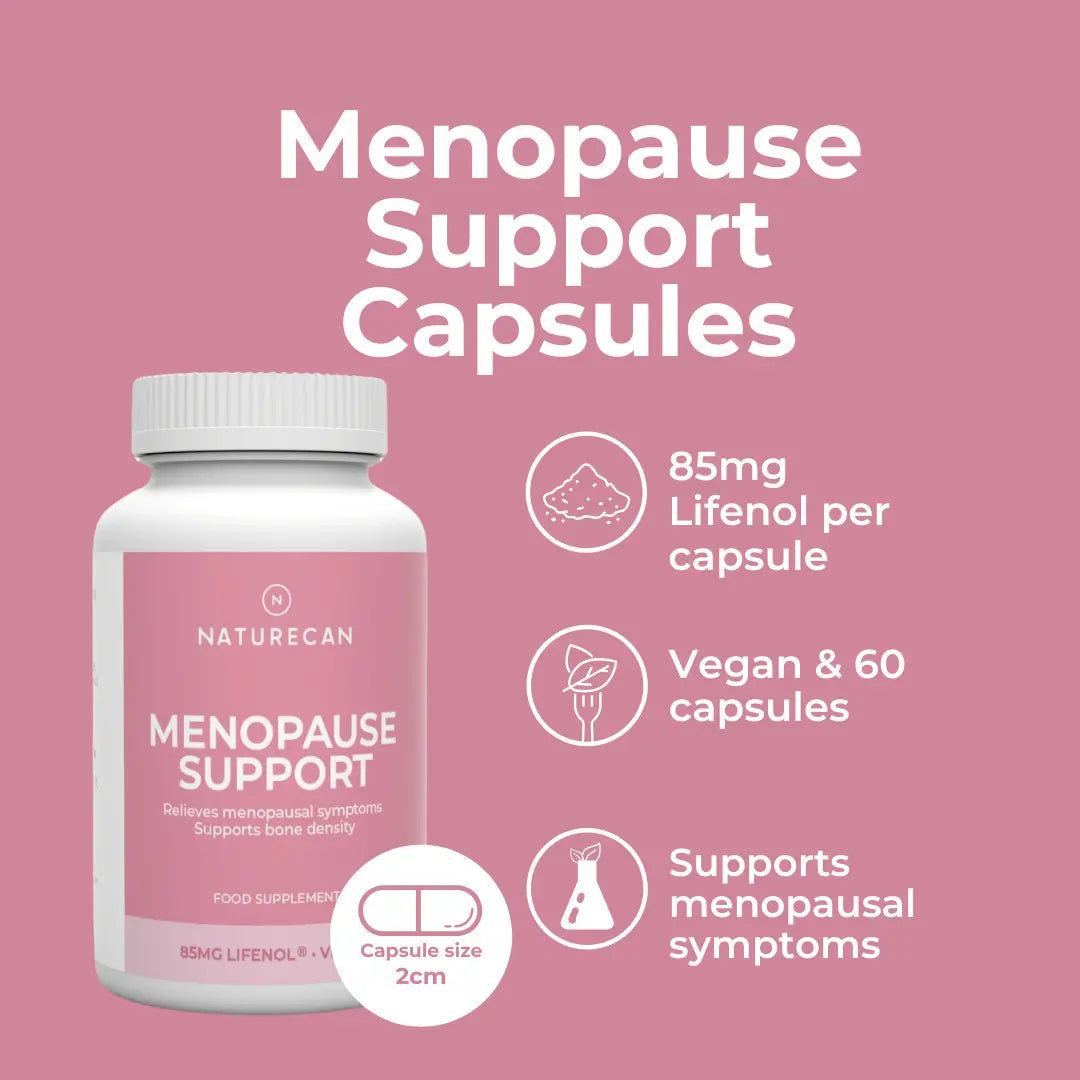
Featured Product: Menopause Support Capsules
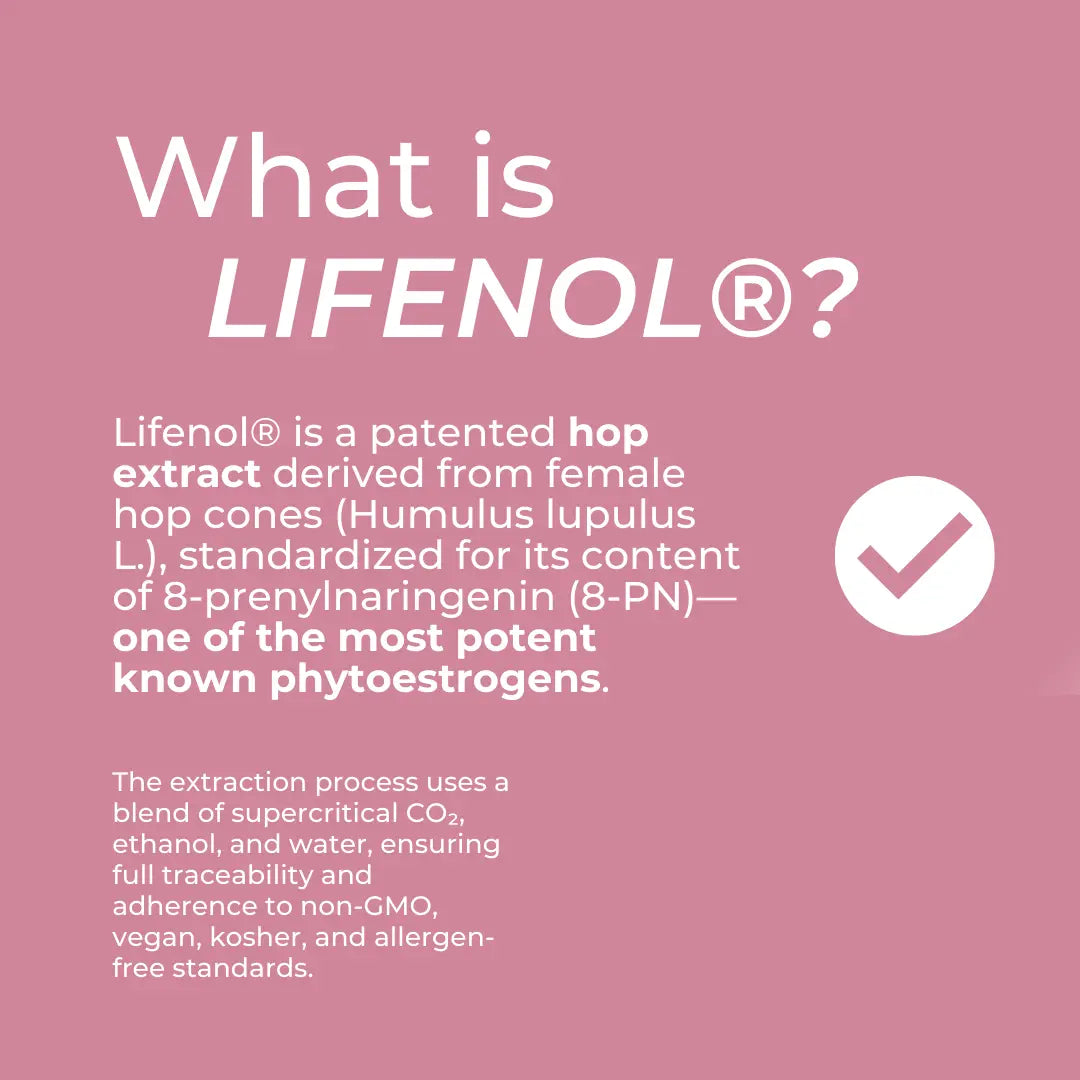
Lifenol® is a natural supplement made from clinically researched hops extract, developed to ease common menopause symptoms including hot flushes, night sweats and mood swings - without synthetic hormones.
Each capsule delivers an 85mg dose, supporting hormonal balance, calm and better sleep throughout the day and night.
- Helps relieve common menopause symptoms
- Supports hormonal balance naturally
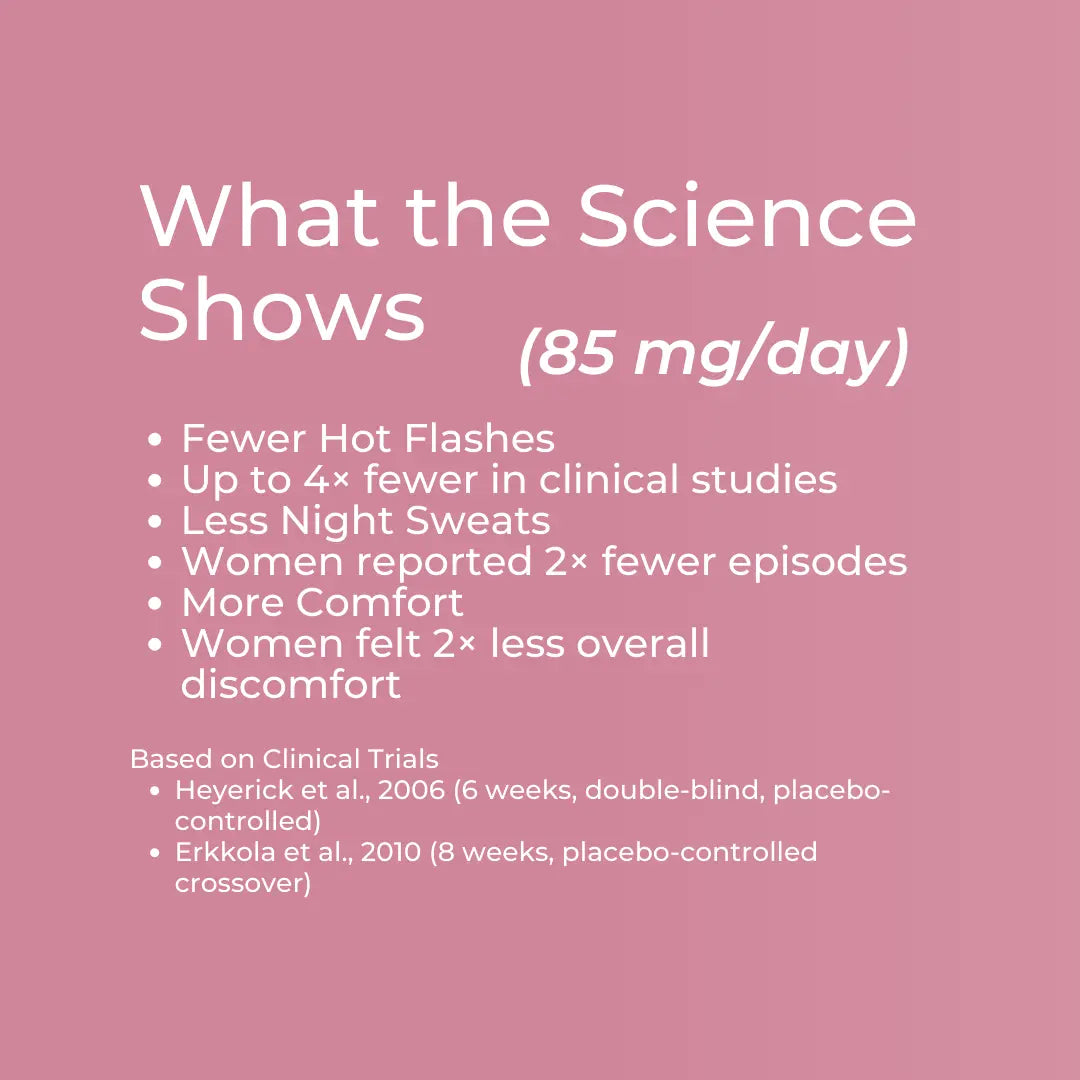
- Clinically proven in three randomised trials to improve sleep and reduce stress
- 100% plant-based, no synthetic hormones

Supplements That May Support Perimenopause
Supporting your body through perimenopause is not a single-supplement solution - it is about addressing the range of changes happening simultaneously. The following products from Naturecan are formulated with ingredients that have been studied in the context of hormonal health, sleep, energy and skin. As always, consult a healthcare professional before introducing new supplements.

Menopause Support Capsules
Key ingredients
Ashwagandha, sage, red clover, vitamins B6 & D
May support
Energy, mood, hormonal balance

Magnesium Bisglycinate
Key ingredients
Magnesium (highly bioavailable bisglycinate form)
May support
Reduction of tiredness and fatigue, normal muscle function, the nervous system

Collagen Peptide Powder
Key ingredients
Hydrolysed collagen peptides, vitamin C
May support
Collagen formation. Vitamin C contributes to normal collagen formation for the normal function of skin and cartilage

Ashwagandha
Key ingredients
KSM-66 ashwagandha root extract
May support
Stress response, energy, cognitive function

Vegan Omega-3
Key ingredients
Algae-derived EPA and DHA
May support
Heart health, normal brain function, and maintenance of normal vision
Naturecan's Menopause Support Bundle combines complementary products for a more comprehensive approach. Explore our full range of Beauty Supplements and learn more about the nutrients that may support healthy ageing in our guide to the 10 Best Longevity and Anti-Ageing Supplements.
When Does Perimenopause Start?
Most women expect perimenopause to arrive in their late 40s. In reality, it can begin in the late 30s or early 40s - sometimes earlier. The average onset is around 45 to 47 years, but hormonal fluctuations can be detectable from as early as 35. (3)
Early perimenopause (before age 45) affects around 5% of women, while premature ovarian insufficiency (before age 40) affects approximately 1%. (4) For most, symptoms begin subtly and are often attributed to stress, poor sleep, or 'just ageing' - which is why the average time to diagnosis in the UK remains frustratingly long. (8)
Perimenopause: a rough timeline

1
Early Perimenopause
Late 30s - mid 40s
Cycles becoming irregular; oestrogen begins to fluctuate

2
Late Perimenopause
Mid 40s - early 50s
Gaps of 60+ days between periods; symptoms more pronounced

3
Menopause
Average age 51 (UK)
12 consecutive months with no period
How Long Does Perimenopause Last?
The duration varies significantly between women. Most experience perimenopause for 4 to 8 years, though for some it may be as short as a few months and for others it extends to a decade. (2, 9)
Research published by the British Menopause Society notes that the length of perimenopause correlates with a number of factors including genetics, lifestyle, BMI and smoking history (3). There is no single timeline, which makes personal awareness all the more important.
Does perimenopause end suddenly?
No. The transition into menopause is gradual. Perimenopause is considered complete once you have gone 12 consecutive months without a period - at which point you reach menopause.
What's the Difference Between Perimenopause & Menopause?
These terms are often used interchangeably, but they describe three distinct phases with different implications for diagnosis, treatment and contraception. (1, 2)
| Phase | Definition | Duration | Key features |
|---|---|---|---|
| Perimenopause | Transitional period preceding menopause | 4-10 years (1, 2) | Irregular periods; hormone fluctuations; pregnancy still possible |
| Menopause | Point of 12 consecutive months without a period | Single point in time | Confirmed retrospectively; average age 51 in the UK (3) |
| Postmenopause | All years following menopause | Rest of life | Oestrogen remains low; bone and cardiovascular risks continue (9) |
Perimenopause Symptoms: signs to watch for
Symptoms during perimenopause are driven by oestrogen's erratic behaviour, not a simple decline, but a pattern of rising and falling that the body is learning to adjust to. This is why symptoms can feel inconsistent and unpredictable.
| Physical symptoms | Psychological symptoms |
|---|---|
| Hot flushes and night sweats | Mood changes and irritability |
| Irregular periods | Anxiety and low mood |
| Sleep disruption and insomnia | Brain fog and poor concentration |
| Joint aches and muscle tension | Memory lapses |
| Skin dryness, sensitivity and thinning | Reduced motivation and fatigue |
| Hair thinning | Emotional sensitivity |
| Vaginal dryness | Low libido |
| Heart palpitations | Heightened stress response |
| Headaches | Low self-esteem or confidence |
| Nausea (in some women) | Feeling 'unlike yourself' |

Fatigue is one of the most frequently reported, and underappreciated, symptoms. Sleep disruption driven by night sweats compounds hormonal effects on energy, mood and cognitive function, creating a cycle that can be difficult to break without understanding the root cause. (5)
Perimenopause and your skin
Oestrogen plays a central role in collagen synthesis. As levels begin to fluctuate and fall, the skin may lose elasticity and hydration more quickly than before. You may notice greater sensitivity, dryness, and changes in texture - particularly around the face, neck and hands. This is a normal hormonal response, not simply a sign of ageing. (10)
Why are there so many Perimenopause Symptoms?
Oestrogen is not simply a reproductive hormone - it is a systemic regulator with receptors in the brain, cardiovascular system, bones, skin, gut, urinary tract and joints. (14) When levels fluctuate, virtually every system that relies on it can be affected.
Brain and nervous system
Affects serotonin and GABA pathways; contributes to mood changes, anxiety, brain fog and poor sleep (12)
Cardiovascular system
Oestrogen receptors in blood vessels support vascular function; declining levels raise cardiovascular risk (9)
Bone
Oestrogen regulates bone turnover; reduced levels accelerate bone density loss over time (10)
Skin
Oestrogen drives collagen synthesis; fluctuations and decline cause dryness, thinning and reduced elasticity (10)
Gut and urinary tract
Oestrogen receptors in the gut and bladder; changes contribute to bloating, altered motility and urinary symptoms
Musculoskeletal
Supports muscle mass maintenance; declining levels reduce muscle strength and increase joint discomfort
Symptoms are also unpredictable because oestrogen does not decline in a straight line. During perimenopause it can spike above premenopausal levels before falling sharply - which is why a woman can feel completely normal one week and then be hit by night sweats, mood disruption and exhaustion the next.
Progesterone typically declines before oestrogen. Its metabolite allopregnanolone acts on GABA-A receptors in the brain, producing calming and sleep-supportive effects - so as progesterone falls, anxiety and poor sleep often follow before oestrogen changes are pronounced. (15) Testosterone, which supports libido, energy and cognitive clarity, also gradually reduces.
Together, the fluctuation and decline of all three hormones explains why perimenopause produces such a wide range of symptoms - and why a whole-body approach to support tends to be more effective than treating each symptom in isolation.
Low Oestrogen Symptoms: What Does It Feel Like?
Low oestrogen does not always feel dramatic. For many women, it announces itself quietly: a little more fatigue than expected, a drier complexion, cycles that are a day or two different from usual. Over time, these signals accumulate.
Recognised signs of declining oestrogen include (10):
- Increased sensitivity to temperature (hot flushes, cold spells)
- Disrupted sleep or waking without clear cause
- Changes in mood, including increased anxiety or tearfulness
- Reduced bone density over time (though this is not immediately noticeable)
- Dryness - including skin, eyes and vaginal tissue
- Reduced skin elasticity and collagen density
- Difficulty maintaining muscle mass
Can low oestrogen symptoms come and go?
Yes. Oestrogen does not decline in a straight line during perimenopause, it fluctuates, sometimes significantly. This is why symptoms can feel unpredictable, appearing strongly one month and barely at all the next. Tracking patterns over time is more useful than assessing how you feel on any given day.

Signs That Perimenopause May Be Coming to an End
Perimenopause ends when menopause is confirmed - that is, after 12 consecutive months without a menstrual period. Before that point, you may notice that periods become increasingly sparse and far apart, and that some symptoms such as hot flushes begin to change in character or reduce in frequency.
However, these signs are not definitive and can fluctuate. Some women report a temporary intensification of symptoms in the final months before menopause. Tracking your cycle alongside symptoms is one of the most useful things you can do during this phase.
Does Hormone Replacement Therapy (HRT) Help with Perimenopause?
HRT is the most clinically effective treatment for perimenopausal and menopausal symptoms. It works by supplementing oestrogen - and progesterone in women with a uterus - to counteract the effects of declining and fluctuating hormone levels.
What the evidence shows
A Cochrane systematic review of 21 randomised controlled trials found that oral HRT produced a 77% reduction in hot flush frequency compared with placebo, equivalent to a mean difference of 17.46 fewer flushes per week. (16)
Combined HRT also demonstrated significant improvements in sleep quality, sexual function and joint pain compared with placebo. (16)
For women with moderate-to-severe symptoms, HRT can substantially reduce hot flushes and night sweats, improve sleep and mood, and help protect bone density. When started early in the perimenopausal period, it may also benefit cognitive function, skin quality and cardiovascular health. (9)

| Form | How it is taken | Notes |
|---|---|---|
| Transdermal (patch, gel, spray) | Applied to the skin daily or twice-weekly | Lower blood clot risk than oral forms; most commonly recommended in UK |
| Oral tablet | Taken daily | Convenient; slightly higher VTE risk than transdermal |
| Vaginal oestrogen | Cream, pessary or ring | Local treatment for vaginal and urinary symptoms only; low systemic absorption |
| Progestogen | Tablet or intrauterine system (Mirena) | Required for women with a uterus to protect uterine lining |
Safety concerns about HRT largely stem from a 2002 study (the Women's Health Initiative) whose findings have since been significantly recontextualised. Updated NICE guidance (NG23, updated November 2024) confirms that for most healthy women under 60 who are within 10 years of menopause onset, the benefits of HRT outweigh the risks. (7) Individual assessment with a GP or menopause specialist remains essential.
HRT is not suitable for everyone. Where it cannot be used, or where a woman prefers alternatives, lifestyle changes, evidence-informed supplements, CBT and non-hormonal medications can all make a meaningful difference.

Supporting Yourself Through Perimenopause
Supplements work best alongside lifestyle factors that support hormonal health. Research consistently highlights the following as beneficial during perimenopause:
- Regular weight-bearing exercise to support bone density and muscle mass
- A diet rich in phytoestrogens (flaxseed, soy, legumes) and lean protein
- Reducing alcohol and caffeine, which may worsen hot flushes and disrupt sleep
- Prioritising sleep hygiene - consistent bedtimes, a cooler sleeping environment
- Stress management - cortisol exacerbates hormonal imbalance
- Staying connected with your GP or a menopause-informed specialist
HRT remains one of the most effective treatments for moderate-to-severe perimenopause symptoms. If your symptoms are significantly affecting quality of life, please speak to a healthcare professional about all available options.
FAQs
Can you get pregnant during perimenopause?
Yes. Until menopause is confirmed (12 consecutive months without a period) ovulation is still occurring, even if irregularly. Pregnancy during perimenopause is possible, and contraception should be continued if pregnancy is not desired. (6) If you have questions about contraception during this phase, speak to your GP.
Does perimenopause make you tired?
It can, and for several interconnected reasons. Night sweats disrupt sleep architecture. Hormonal fluctuations affect energy regulation directly. Low mood and anxiety are also fatiguing. The combination can be significant. If you are experiencing persistent fatigue, it is worth discussing with a healthcare professional to rule out other contributing factors.
Is there a test for perimenopause?
There is no single definitive test for perimenopause. Blood tests can measure FSH (follicle stimulating hormone) and oestradiol levels, but these fluctuate considerably during perimenopause, meaning a single test may be inconclusive. (7) The NHS and NICE guidance recommends that diagnosis is primarily made based on age, symptoms and menstrual history in women over 45 - without the need for blood tests.
Can perimenopause cause nausea?
Yes, nausea is a recognised though less commonly discussed symptom of perimenopause. It may be linked to oestrogen fluctuations, changes in gut motility, or as a secondary effect of disrupted sleep and heightened anxiety. If nausea is severe or persistent, seek medical advice.
Does perimenopause cause weight gain?
Weight gain during perimenopause is common and largely hormonal. As oestrogen declines, the body redistributes fat towards the abdomen, lean muscle mass reduces, and the resting metabolic rate slows. Disrupted sleep further affects appetite regulation. Studies suggest women gain around 1.5kg per year on average during this transition. (11) If weight gain is rapid or unexplained, speak to your GP to rule out thyroid dysfunction, which can present similarly.
Can perimenopause cause anxiety?
Yes, and it can appear even in women with no prior history of it. Oestrogen influences serotonin, the neurotransmitter that regulates mood. As oestrogen fluctuates, serotonin can become unstable, triggering anxiety, low mood, and heightened stress responses. (12) Disrupted sleep compounds this further. If anxiety is significantly affecting daily life, speak to your GP - it is a treatable symptom of perimenopause, not a separate condition.
What is the difference between perimenopause and menopause?
Perimenopause is the transitional phase during which hormone levels fluctuate and gradually decline - it can last up to 10 years. (1, 2) Menopause is a single point in time: 12 consecutive months without a period. In the UK the average age is 51. Most of the symptoms people associate with menopause actually occur during perimenopause.

Reviewed by Paul Holmes
Director of Science and Innovation at Naturecan
Testing for large pharmaceutical & tobacco companies, Paul has built a wealth of scientific and regulatory knowledge, working on regulatory submissions to bodies such as the FDA and the MHRA.
He holds a BSc in Medicinal and Biological Chemistry and sits on the UKAS CBD Food Product Approval Expert Group.