Perimenopause Itchy Skin: How Hormonal Changes Affect
Skin Longevity
The science behind a symptom most women are never warned about

10 min read | Published:
Written by Becky Burrows & Reviewed by Paul Holmes.
The itch that wakes you at 2am. The one that drifts from your arms to your back without explanation, ignores every moisturiser you try, and leaves no rash to show a doctor. If you have been told it is just dry skin, or simply your age, you deserve a more complete answer. Unexplained itching is among the more horrible perimenopause symptoms precisely because it leaves no visible evidence.
According to a survey conducted by Newson Health, up to 56% of perimenopausal women experience itchy skin, and 64% report dry skin during the transition - making skin changes one of the most prevalent yet least-discussed symptoms of perimenopause (11). Many women are unprepared for these changes because they are rarely mentioned alongside more widely recognised symptoms such as hot flushes or irregular periods. Yet skin changes are among the perimenopause symptoms that can begin earliest, sometimes appearing years before periods become irregular.
Perimenopause itchy skin is a hormonal condition, not a cosmetic complaint, and understanding the mechanisms behind it changes how you approach it. In this article we explain why perimenopause causes itchy skin, what is happening at a cellular level, and what you can do to support skin health from the inside and out.
In this article
- Perimenopause is a distinct hormonal transition - not just a precursor to menopause - that can begin in the late 30s and last up to 10 years. (1, 2)
- Symptoms are wide-ranging and often misattributed. They can also overlap with thyroid dysfunction, iron deficiency and anxiety disorders. (3, 13)
- There is no single diagnostic test. NICE recommends diagnosis based on age, symptoms and menstrual history in women over 45. (7)
- Oestrogen has receptors throughout the body - which is why symptoms span sleep, mood, skin, bones, joints and more. All three hormones (oestrogen, progesterone, testosterone) decline and contribute. (14, 15)
- HRT is the most effective treatment for moderate-to-severe symptoms. Lifestyle changes and supplements can also provide meaningful support. (16)
- Perimenopause is natural but does not have to go unsupported - 25% of women experience symptoms severe enough to affect daily life. (3)
What Is Perimenopause, and Why Does It Affect Your Skin?
Perimenopause is the hormonal transition that precedes the menopause, during which oestrogen levels begin to fluctuate before gradually declining. It typically begins in the early 40s, though some women notice changes from their late 30s, and it can last anywhere from four to ten years (1). Shifting skin texture and unexpected itching can be among the first signs of perimenopause, sometimes presenting before any irregularity in the menstrual cycle. For a full overview, see What is Perimenopause?
Oestrogen receptors are distributed throughout the skin - in the epidermis, the dermis, and the sebaceous glands - which means skin responds acutely to shifts in oestrogen availability (2). Crucially, skin symptoms can appear before periods become irregular. Women in their late 30s and early 40s who notice their skin becoming more reactive, drier, or prone to unexplained itching may already be experiencing early perimenopausal signals.
What causes itchy skin during perimenopause?
Itchy skin during perimenopause is primarily caused by declining and fluctuating oestrogen levels. Oestrogen plays a central role in maintaining skin barrier function, collagen production, sebum output, and hyaluronic acid retention. As levels shift, the skin gradually becomes thinner, drier, and less able to hold moisture - leading to pruritus that may occur even without visible dryness or rash. (2, 3)
Women dealing with itchy skin perimenopause, specialists recognise it as a hormonal phenomenon and often spend months looking for an explanation, particularly when there is no visible rash to show.


The Science Behind Perimenopausal Itchy Skin
Falling Oestrogen and Collagen Loss
Oestrogen directly stimulates collagen synthesis, and as levels decline, production slows significantly (3). As the skin thins, its barrier function weakens, moisture escapes more readily, and the skin becomes increasingly sensitive to touch, temperature, and external irritants. The itching many women experience is frequently a direct consequence of this structural change: skin that cannot maintain its own integrity is skin that reacts.
30%
Dermal collagen lost in the first 5 years post-menopause
Research suggests this rate of loss is significantly faster than general chronological ageing - underlining why skin health can be worth prioritising proactively during the perimenopausal transition. (4)
Decreased Sebum and the Moisture Barrier
The sebaceous glands, responsible for the skin's natural oils, are oestrogen-sensitive. When levels fall, sebum production decreases, reducing the skin's natural moisturising capacity (5). The result is skin that feels persistently tight, where even rich creams absorb instantly without lasting effect. The moisturiser has not changed. The skin barrier it depended upon has.
Histamine Sensitivity and Hormonal Fluctuation
What most articles miss
Oestrogen influences diamine oxidase, the enzyme responsible for breaking down histamine in the body. When oestrogen fluctuates, histamine metabolism can become less efficient - causing pruritus that is entirely independent of how hydrated the skin appears. This explains why some women experience intense, widespread itching with no visible rash and no obvious trigger. It also helps explain why symptoms frequently worsen overnight, when histamine naturally peaks and cortisol, which has mild antihistamine-like properties, is at its lowest. (6)
Loss of Hyaluronic Acid
Oestrogen stimulates hyaluronic acid synthesis in skin fibroblasts. As oestrogen declines, the skin's capacity to produce and retain hyaluronic acid diminishes, contributing to persistent dryness, reduced plumpness, and surface sensitivity. (7)
Hormonal changes during perimenopause may also affect the skin's pH balance. The skin's naturally acidic surface pH is critical to its barrier integrity and its resistance to external irritants. Shifting hormone levels can disrupt this balance, creating conditions where the skin becomes more reactive - contributing to sensitivity and itching even when the skin surface does not appear visibly dry or damaged. (3)
While itchy skin menopause and perimenopause share the same hormonal root cause, the fluctuating nature of oestrogen during perimenopause means symptoms can feel more erratic and harder to predict than those experienced after the menopause.


Best Natural Supplements for Menopause
For a broader look at natural approaches to managing menopause symptoms, see our guide to the best natural supplements for menopause.
Read MorePerimenopause Itchy Skin Symptoms: What to Look Out For
Perimenopause affects skin differently for different women, but certain presentations appear with consistency. You may notice:
- Itching without a visible rash, across the torso, arms, or legs
- Dry or flaky patches that persist despite regular moisturising
- Formication: a crawling sensation beneath the skin with no external cause
- Skin that feels raw or intolerant of fabrics that were previously fine
- Symptoms that worsen at night or in warm environments
- Creams feeling less effective than they used to
Itching can also extend to areas that are sometimes overlooked. The scalp may become dry, flaky, and sensitive - a change many women attribute to stress or a new product rather than hormonal shifts. The vulvar area may also experience discomfort linked to hormonal thinning of the skin tissue and changes to the local pH environment, which is distinct from general body pruritus and may warrant separate discussion with a healthcare professional. (9)
Some women also experience paresthesia during perimenopause: a tingling or pins-and-needles sensation in the skin that reflects hormonal effects on peripheral nerve sensitivity, and is distinct from the crawling sensation of formication. If you experience this, it is worth mentioning to your GP to ensure other causes are ruled out.
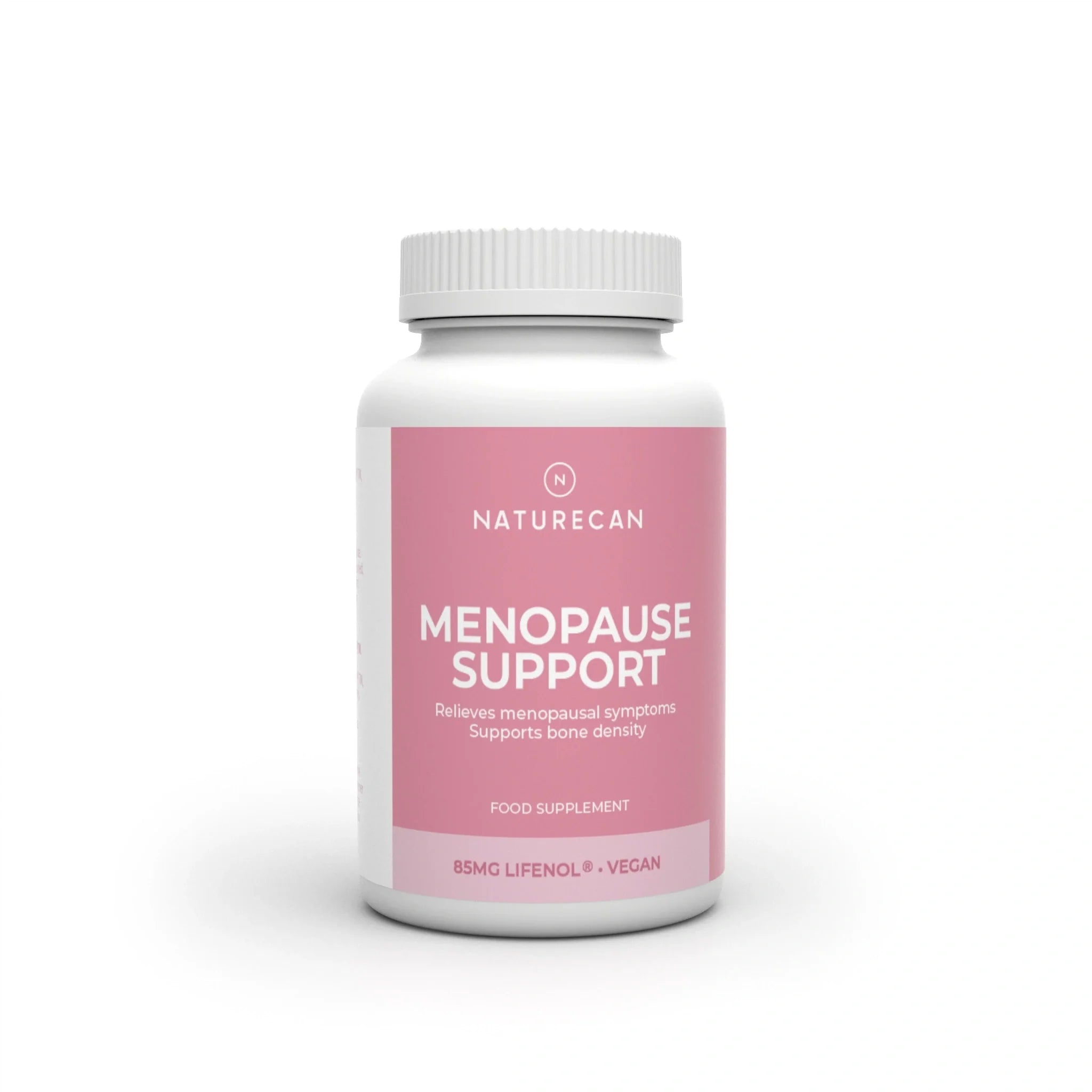
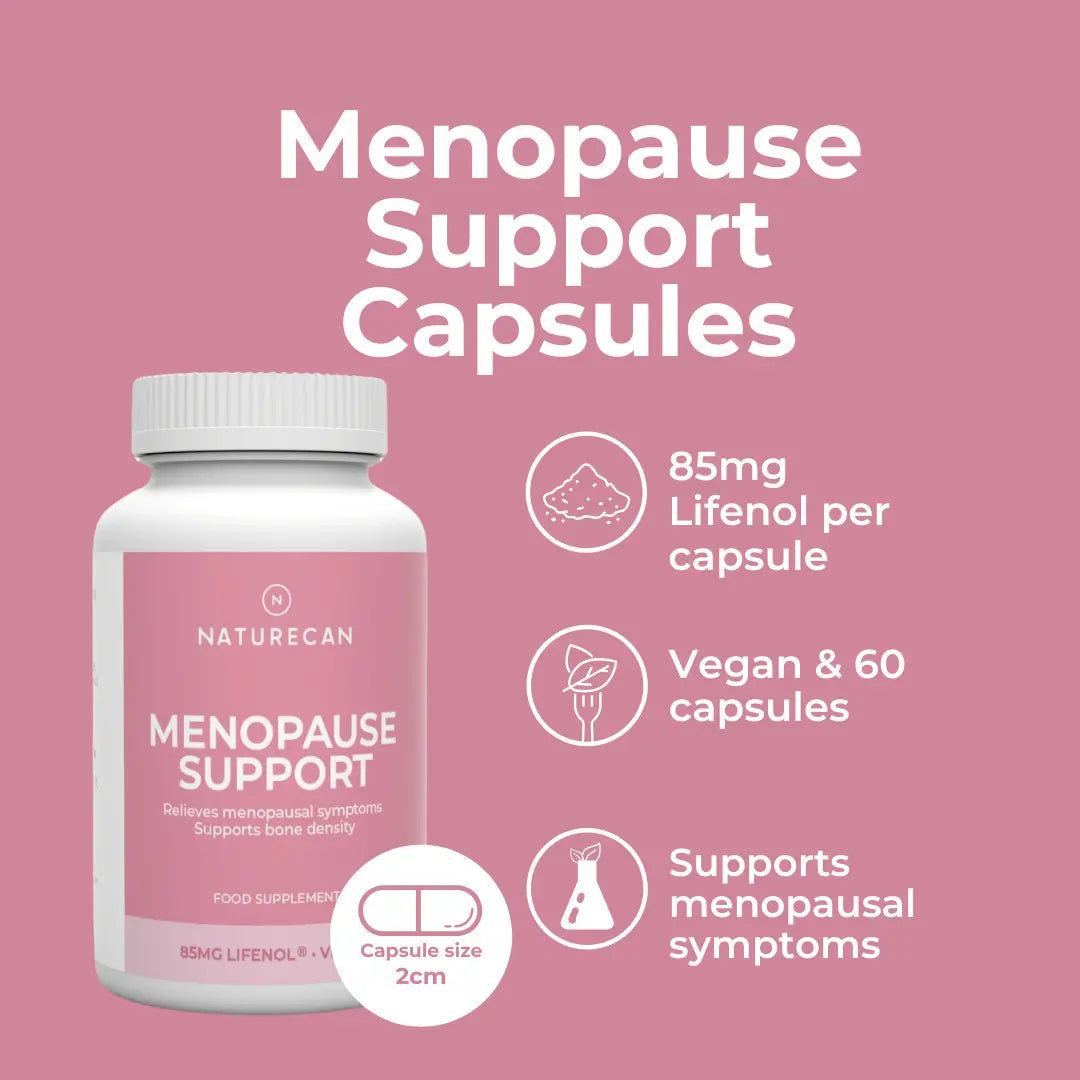
Featured Product: Menopause Support Capsules
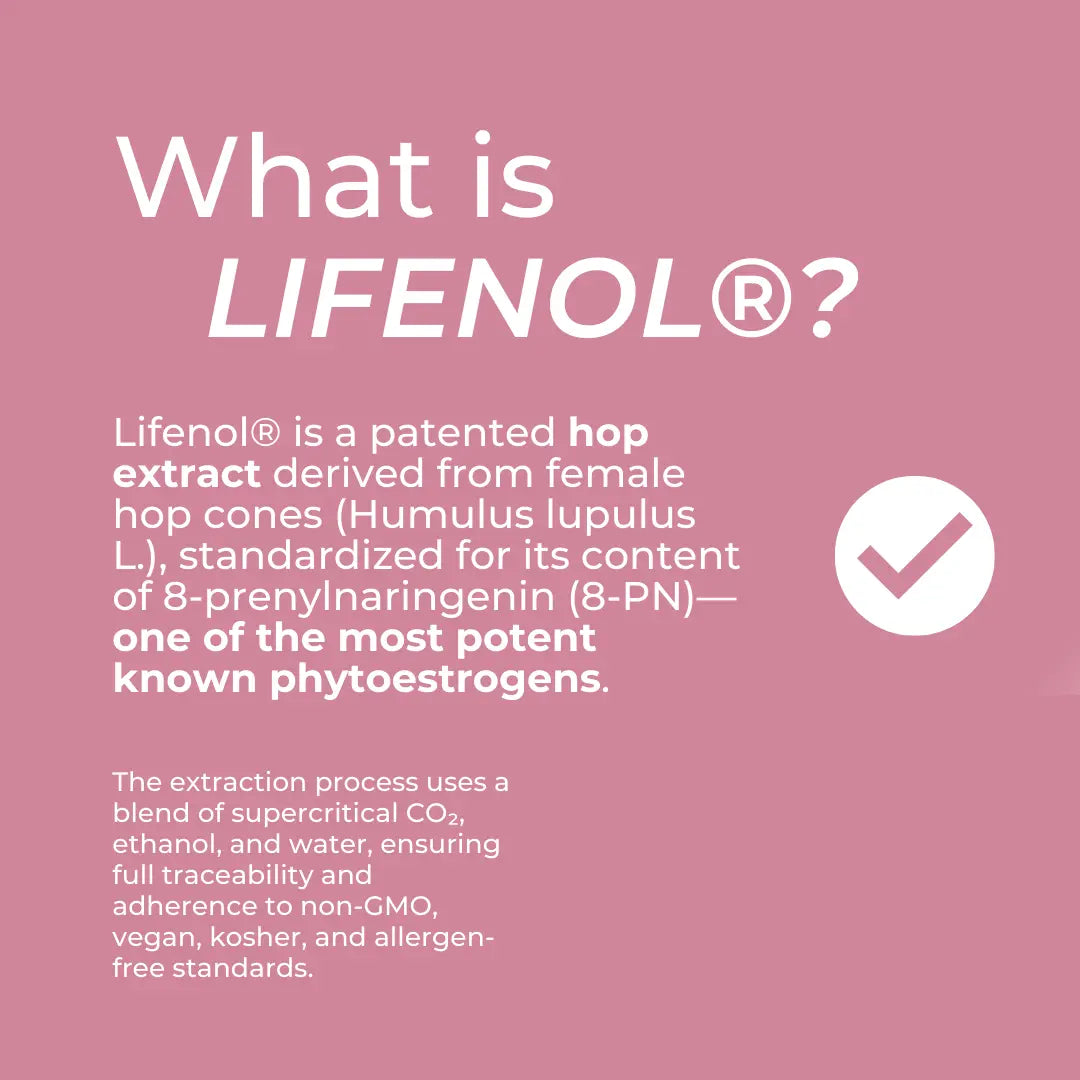
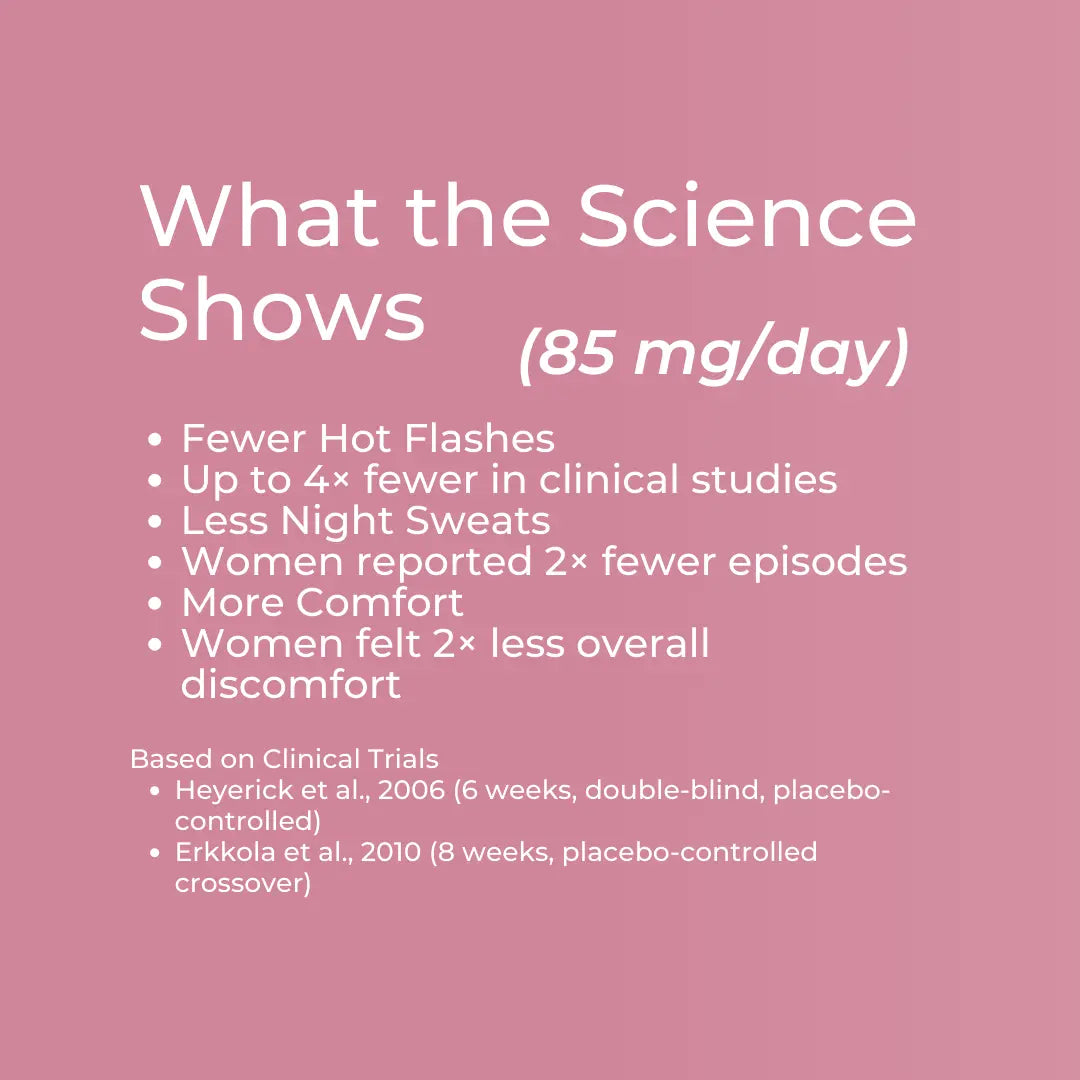
Lifenol® is a natural supplement made from clinically researched hops extract, developed to ease common menopause symptoms including hot flushes, night sweats and mood swings - without synthetic hormones.
Each capsule delivers an 85mg dose, supporting hormonal balance, calm and better sleep throughout the day and night.
- Helps relieve common menopause symptoms
- Supports hormonal balance naturally
- Clinically proven in three randomised trials to improve sleep and reduce stress
- 100% plant-based, no synthetic hormones

Trigger Factors that may Exacerbate Symptoms
- Stress (which elevates both cortisol and histamine)
- Alcohol and caffeine
- Hot showers or baths
- Synthetic fabrics worn close to the skin
- Skincare products containing alcohol, fragrance, or harsh cleansing agents
When to seek medical advice
If itching is accompanied by a spreading rash, fever, or significant skin changes, consult your GP or a dermatologist. Naturecan products are not a substitute for medical advice or treatment.
It is also worth discussing with your GP if itching appears without obvious skin changes, as iron deficiency and thyroid disturbance can both present as persistent pruritus and are easily ruled out with a blood test. Identifying or eliminating these causes ensures you are addressing the right mechanism. (10)

How to Support Your Skin During Perimenopause
Understanding how to stop perimenopause itching requires addressing the underlying mechanisms rather than simply applying more moisturiser to skin that has structurally changed.

Nutrition and Supplements
Some women choose to include nutritional supplements as part of their daily routine during perimenopause. Always consult a healthcare professional before starting a new supplement regime. The best perimenopause supplements for skin health target collagen synthesis, moisture retention, and barrier function simultaneously.
Supporting potential perimenopausal related skin issues from within focuses on addressing the underlying mechanisms: collagen loss, barrier breakdown, reduced sebum, and compromised moisture retention. Always consult a healthcare professional before introducing new supplements, particularly if you are taking medication or managing an existing health condition.
For some women, hormone replacement therapy (HRT) may also be worth discussing with a GP as a way to address the hormonal root cause of skin changes, rather than managing symptoms alone. HRT is not appropriate for everyone, and that is a conversation to have with a menopause specialist based on your personal history. Many women who do take HRT report meaningful improvements in skin texture, moisture retention, and sensitivity within a few months - something worth knowing exists as an option.

Menopause Support Capsules
For women seeking broader nutritional support through the perimenopausal transition, Naturecan's Menopause Support Capsules combine targeted vitamins and botanical ingredients. Naturecan offers a range of perimenopause supplements Australia women can access directly.
May support
Energy, mood, hormonal balance

Hyaluronic Acid Capsules
As oestrogen declines, the skin's capacity to produce and retain hyaluronic acid diminishes. Hyaluronic Acid Capsules provide oral hyaluronic acid as part of a daily supplement routine.
May support
†Zinc contributes to the maintenance of normal skin and the protection of cells from oxidative stress.

Collagen Peptide Powder
Collagen synthesis declines during perimenopause at a rate that outpaces normal ageing. Naturecan's Collagen Peptide Powder provides a concentrated, easily mixable source of hydrolysed collagen peptides for daily use.
May support
Collagen formation. Vitamin C contributes to normal collagen formation for the normal function of skin and cartilage

High Strength Omega-3 Supplement
Omega-3 fatty acids are structural components of cell membranes throughout the body, including in the skin. As nutritional needs shift with age, a concentrated daily source of EPA and DHA becomes increasingly relevant (8).
May support
†EPA and DHA contribute to the normal function of the heart. DHA contributes to the maintenance of normal brain function and normal vision.
Skincare Adjustments
As the skin barrier weakens, the skincare routine needs to adapt. Steps that may help:
- Switch to fragrance-free, ceramide-rich moisturisers that actively support barrier repair
- Avoid over-cleansing - it strips the limited natural oils the skin is still producing
- Use lukewarm rather than hot water: hot water increases transepidermal water loss
- Apply an occlusive barrier product overnight to lock in moisture during sleep
- Try not to scratch - however tempting, it can break the skin surface and worsen irritation. Keeping nails trimmed short and wearing lightweight cotton gloves in bed can help if overnight scratching is a problem
- A cool compress applied to particularly itchy areas can provide immediate temporary relief without disrupting the skin surface
Lifestyle Factors

1

2

3

4
The Bottom Line
Itchy skin during perimenopause is not something to simply manage and move on from. It is a signal that your skin is responding to genuine hormonal changes that will continue to shape its health and resilience for years ahead. Understanding the mechanisms behind it - the collagen loss, the barrier breakdown, the histamine sensitivity - reframes the symptom as something addressable rather than inevitable.
Approaching skin health proactively during perimenopause, through nutrition, targeted supplementation, and adapted skincare, may meaningfully support long-term skin longevity. Naturecan's Skin, Hair and Nails Bundle offers a starting point for women looking to support their skin from within throughout this transition.
FAQs
Why does perimenopause make your skin so itchy?
Perimenopausal itching is primarily driven by declining and fluctuating oestrogen. Oestrogen plays a central role in collagen synthesis, skin barrier maintenance, sebum production, and hyaluronic acid retention. As levels shift, the skin becomes thinner and less capable of holding moisture. Fluctuating oestrogen also affects histamine regulation, meaning pruritus can arise independently of visible dryness. This combination of structural barrier breakdown and heightened histamine sensitivity makes itching one of the more common, and more distressing, symptoms of the perimenopausal transition. (2,6)
Does perimenopause itchy skin get worse at night?
Yes, for many women. Histamine levels naturally rise in the evening and overnight, while cortisol - which has mild antihistamine-like effects - is at its lowest in the early hours. This creates a window where histamine-driven itching is more likely to intensify. Night sweats, another common perimenopausal symptom, can further aggravate skin irritation overnight by disrupting the skin's surface during sleep. Keeping the bedroom cool, wearing natural fibres, and applying a barrier moisturiser before bed may help reduce overnight discomfort.
Can perimenopause cause a skin rash?
Perimenopause can cause pruritus without a visible rash, and some women experience formication - the sensation of something crawling beneath the skin with no external cause. Others experience paresthesia - a tingling or pins-and-needles sensation that reflects hormonal effects on peripheral nerve sensitivity, and is distinct from formication. Hormonal fluctuation may also trigger urticaria (hives) in women with underlying histamine sensitivity. If a rash is spreading, painful, or accompanied by fever or fatigue, consult your GP promptly to rule out other causes.
Can antihistamines help with perimenopause itchy skin?
Antihistamines may offer short-term relief for histamine-driven perimenopausal itching in some women, but they address the symptom rather than the underlying hormonal mechanism and are not a long-term solution. If you are considering antihistamines for ongoing itching, discuss this with your GP, who can assess whether they are appropriate alongside any other medication or support you may be receiving.
What supplements may help with perimenopause itchy skin?
Some women choose to include targeted nutritional supplements - such as collagen peptides, hyaluronic acid, and omega-3 fatty acids - as part of their routine during perimenopause. Naturecan's Menopause Support Capsules and Collagen Peptide Powder are formulated for daily use. Always consult a healthcare professional before beginning a new supplement regime.
What is perimenopause?
Perimenopause is the transitional phase that precedes the menopause, during which the ovaries gradually produce less oestrogen. It typically begins in the early-to-mid 40s, though some women notice symptoms from their late 30s, and it can last between four and ten years. For a comprehensive overview, visit What is Perimenopause?

Reviewed by Paul Holmes
Director of Science and Innovation at Naturecan
Testing for large pharmaceutical & tobacco companies, Paul has built a wealth of scientific and regulatory knowledge, working on regulatory submissions to bodies such as the FDA and the MHRA.
He holds a BSc in Medicinal and Biological Chemistry and sits on the UKAS CBD Food Product Approval Expert Group.