What Are Free Radicals In the Body and How Do You Reduce Them?

Written by Valeria Briancesco & Reviewed by Paul Holmes.
Odds are, you’ve heard the term ‘free radicals’ thrown around when talking about ageing, skin care, or even disease. But do you know what they really are and why they matter to your health?
These invisible attackers are more than just buzzwords; they’re unstable molecules that can do serious damage to your cells, speeding up ageing and fueling chronic diseases. Let’s break it down in a way that makes sense so you can protect your body from the inside out.
When free radicals overwhelm your body’s natural defences, it triggers a state known as oxidative stress, which is closely linked to inflammation, cell damage, and premature ageing.
In this guide, we’ll explain the science in simple terms — and explore how smart nutrition, lifestyle choices, and antioxidant support from Naturecan can help you take control of your longevity from the inside out.
Free Radicals Meaning – A Simple Definition
Free radicals refer to those atoms or molecules with unpaired electrons, therefore being unstable and highly reactive.
Think of free radicals like a rogue employee who’s always on the lookout for something to steal.
They’re unstable, and in their quest to find balance, they ‘rob’ electrons from your healthy cells, causing a chain reaction of damage. In order to become more stable, they seek to "rob" electrons from other body molecules, creating a chain reaction along the way that can harm cells.
The reaction is particularly harmful to crucial structures within your body, including DNA, proteins, and membranes within your cells¹.
The majority of the body's free radicals are reactive oxygen species (ROS) molecules, produced continuously by the body as a byproduct of metabolism, the immune response, and even by physical activity.
Although ROS has significant signalling roles to play at low concentrations, it becomes damaging when produced at high concentrations.
Once the volume of free radicals outpaces the capacity of the body to clear them with the intervention of antioxidants, this results in oxidative stress. The imbalance has been identified to be among the chief causes of inflammation, ageing of the cells, and various chronic disorders².
How Do Free Radicals Damage the Body? – In Simple Terms
Free radicals are like little troublemakers in your body. They can interfere with the way your cells work and repair themselves, leading to long-term damage.
Over time, this damage can increase your risk of diseases and make you age faster. Free radicals can do harm to the body by interfering with the way our cells operate and repair themselves.
When the unstable molecules build up, they can do damage to important parts of the body, such as DNA, proteins, and cell membranes—the building materials that keep our cells healthy. As the damage accumulates over the years, it can increase the likelihood of chronic diseases and hasten the ageing process³.
It’s one of the most common effects, happening when free radicals build up faster than your antioxidants can keep up.
It's likely the most familiar of the side effects, a result of your body generating more free radicals than it has antioxidants to neutralise them with. Oxidative stress, left unchecked, will stealthily damage your tissues and organs⁴.
A growing body of research links chronic oxidative stress to a wide range of health conditions³⁴:
- Neurodegenerative diseases such as Alzheimer’s and Parkinson’s
- Cardiovascular diseases like high blood pressure and atherosclerosis
- Respiratory disorders including asthma and COPD
- Digestive conditions such as ulcers and inflammatory diseases
- Cancer, through DNA and immune system disruption

This is the basis of the free radical theory of ageing, which suggests that ageing itself is caused — at least in part — by the gradual accumulation of oxidative damage over time⁵. As the damage worsens, key cell structures begin to break down, and the body loses its ability to function at full capacity.
Once this cascade begins, it affects essential components of your cells and tissues, including:
- DNA – Free radicals can cause mutations in your genetic code, potentially leading to cellular dysfunction or disease³
- Proteins – Oxidative damage can alter protein structure and function, disrupting vital cellular processes⁴
- Lipids – Through lipid peroxidation, free radicals attack fatty acids in your cell membranes, weakening structure and signalling⁴
- Mitochondria – These energy-producing organelles are highly sensitive to oxidative stress, which may reduce energy production and accelerate longevity decline⁵
To understand how this fits into the bigger picture of ageing and inflammation, explore our guides on inflammation and ageing, and the 12 causes of ageing.
What Causes Free Radicals in the Body?
We all produce free radicals naturally as part of our daily routine, like when we breathe or digest food.
But there are also outside factors that make things worse—think pollution, smoking, or even stress. It’s like your body trying to deal with a messy house, but then someone comes in and dumps even more clutter.
Free radicals are a normal part of life.
Your body produces them as a byproduct of your daily functions, i.e., breathing, digesting, defending against infections. At low levels, they’re good — fighting off infections, keeping biological signals in check.
When the body produces the free radicals faster than it can detoxify them, they're harmful.
Internal Causes of Free Radicals
Inside your body, free radicals are created through:
- Energy generation – Your mitochondria produce reactive oxygen species (ROS) naturally when they convert food to energy
- Immune response – White blood cells employ free radicals to kill bacteria and viruses
- Exercise – High or long-duration physical activity can increase the level of free radicals temporarily⁶

These processes are natural and typically countered by your body's antioxidant defenses. Issues emerge, however, when there is fuel to the fire contributed by external stressors.
External Sources of Free Radical Build-Up
Some lifestyle and environmental characteristics sharply raise your level of exposure to oxidative stress:
- Pollution – Inhaling air pollutants generates ROS that overwhelm lung and blood vessel cells
- Smoking – Cigarette smoke introduces thousands of harmful compounds, many of which promote free radical formation⁸
- Alcohol – Drinking disrupts the antioxidant system and raises oxidative damage to the liver and brain
- UV radiation – Sun exposure accelerates ROS production in skin cells, contributing to wrinkles and collagen breakdown⁸
- Pesticides and processed foods – These may add pro-oxidant compounds to the body, increasing oxidative stress and inflammation⁸
A 2012 review reported it as one of the most common triggers of oxidative damage, directly linked to lung, liver, and cardiovascular disease⁸.
It has been reported, according to a 2012 review, to be among the most frequent inducers of oxidative damage, having direct associations with lung, liver, and cardiovascular disease⁸.
Oxidative stress is also identified within the same review as a leading force behind ageing, as well as the degradation of tissue.
Free radical accumulation is now understood to be among the 12 reasons for ageing, and is closely related to chronic inflammation and cellular degeneration.
That's why so many people supplement their antioxidant defenses with powerful plant extracts such as resveratrol and curcumin, to counteract harmful free radicals before they can cause damage.
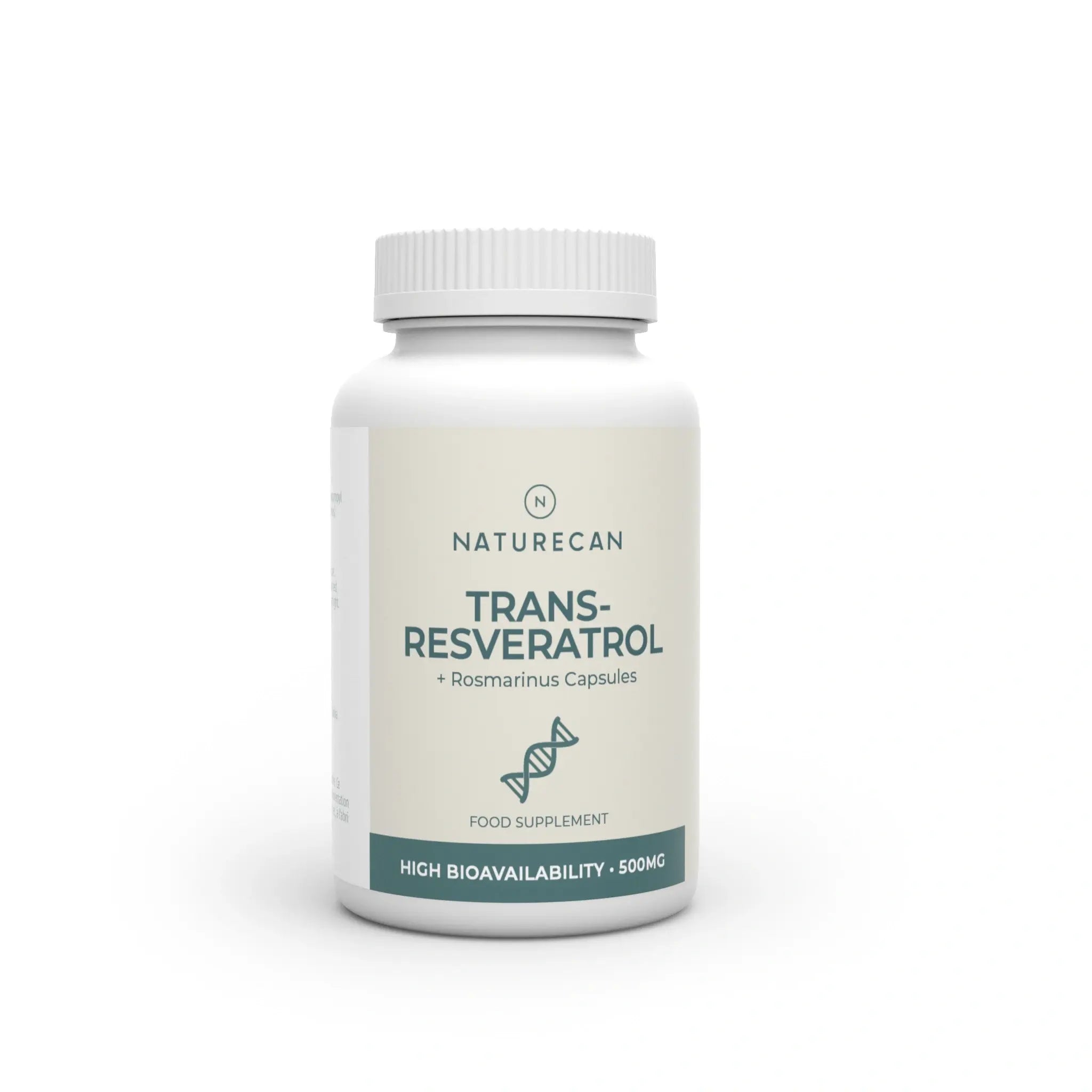
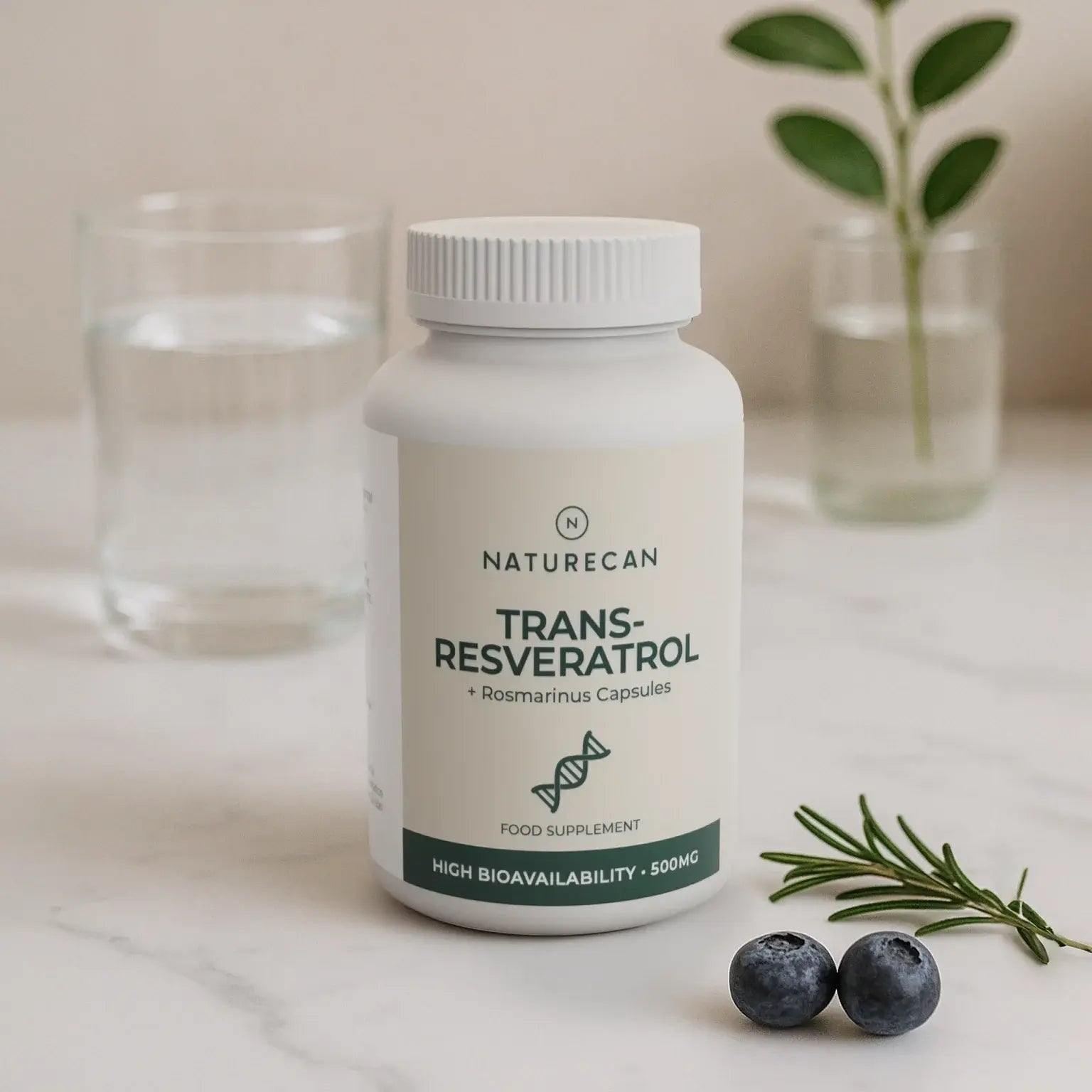
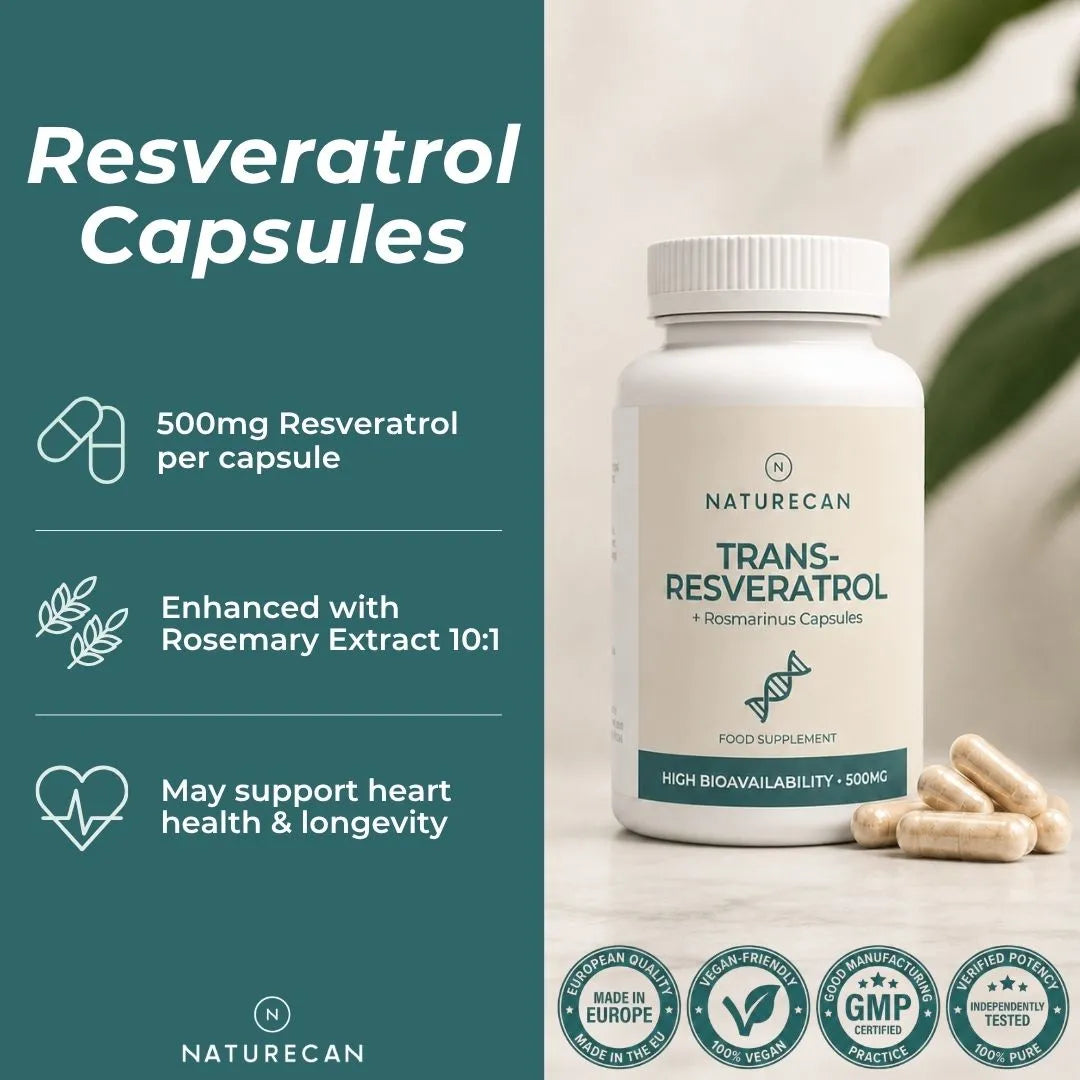
Resveratrol Supplement by Naturecan
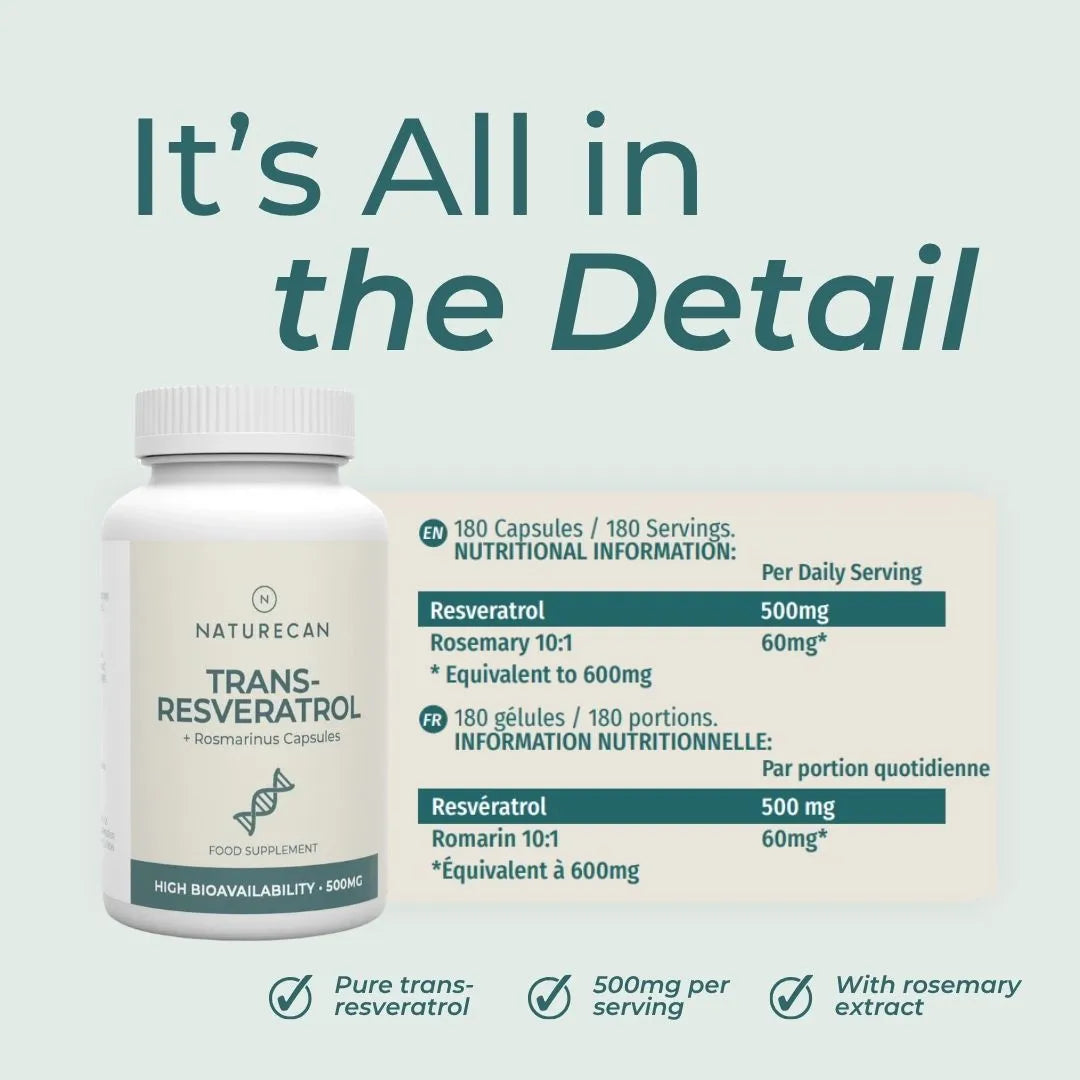
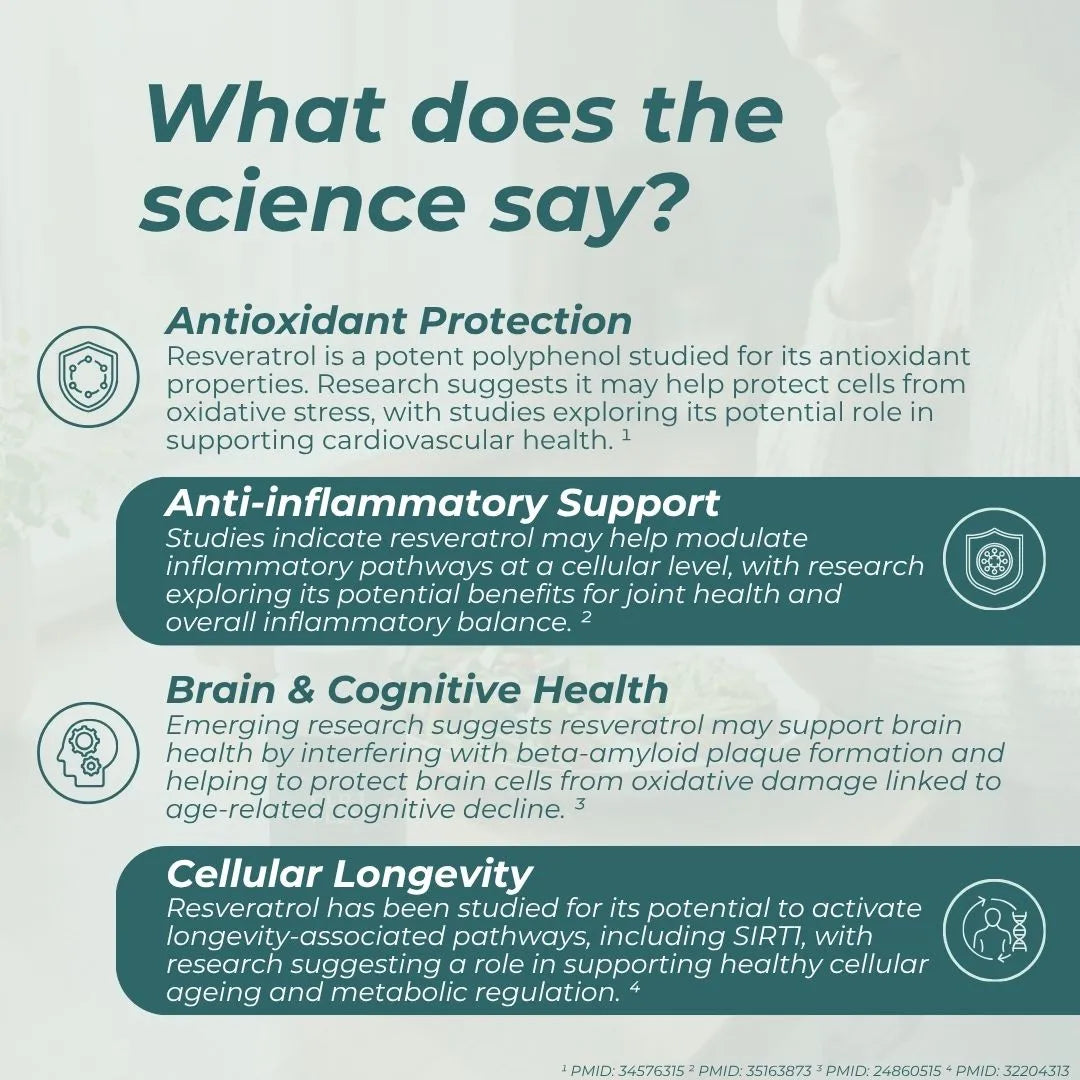
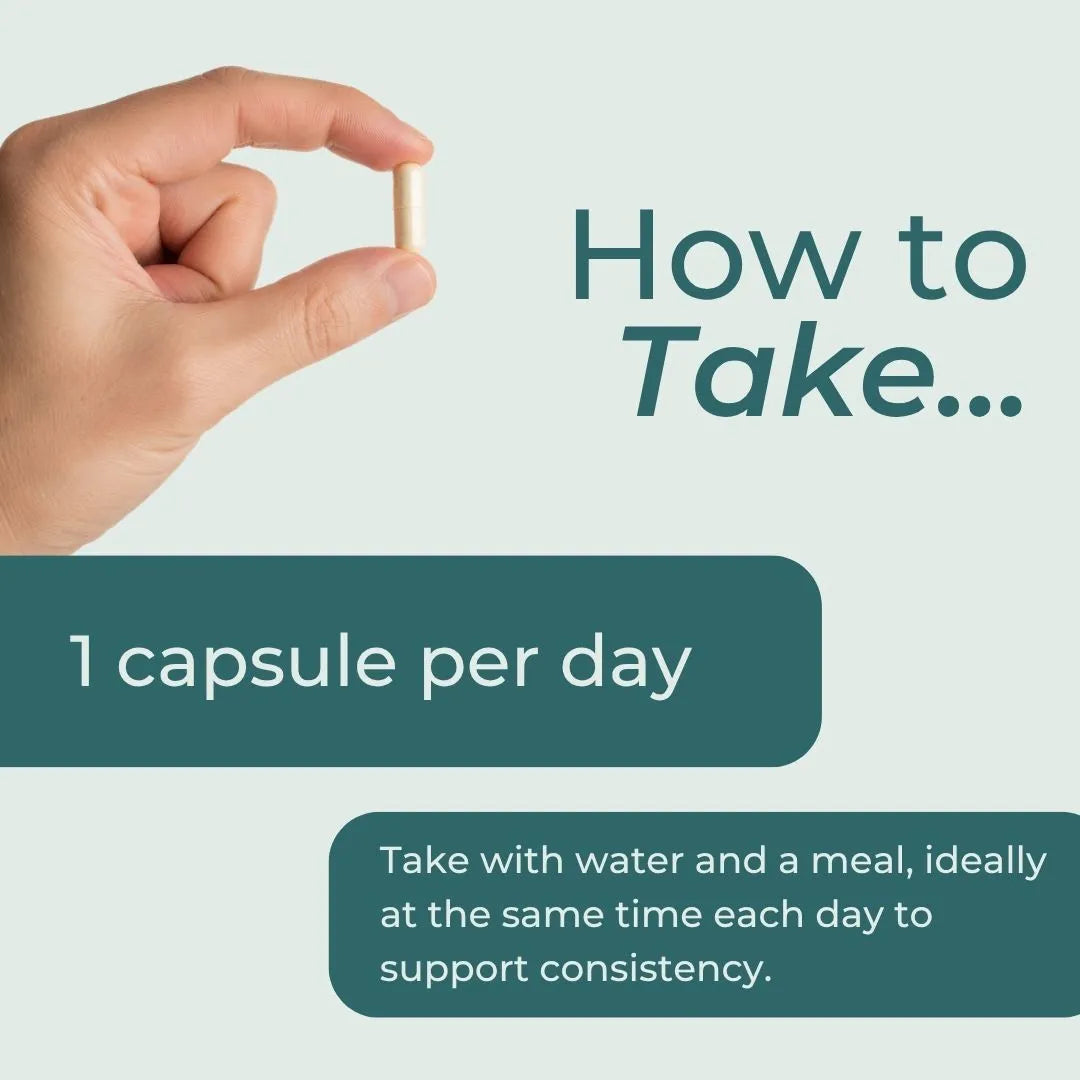
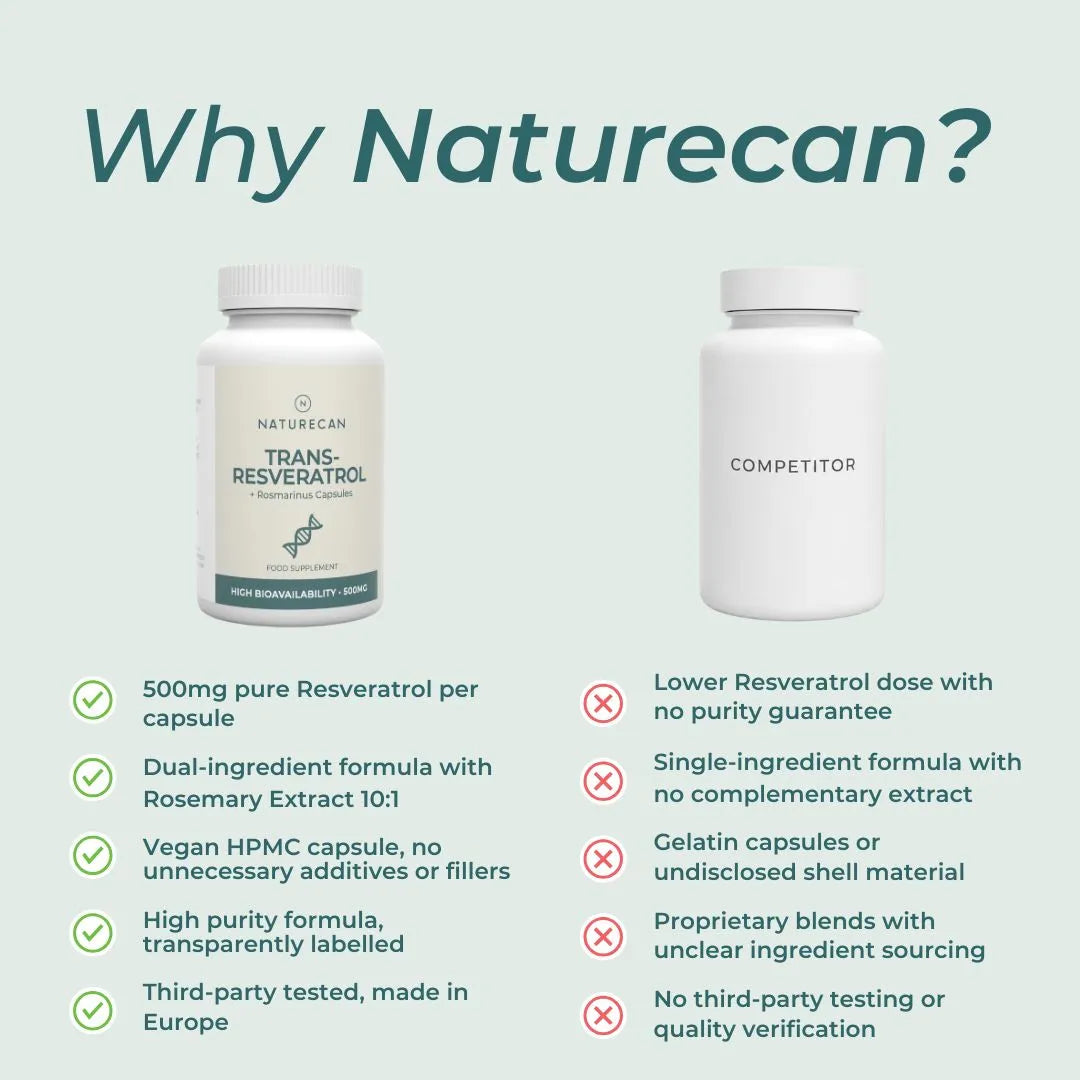
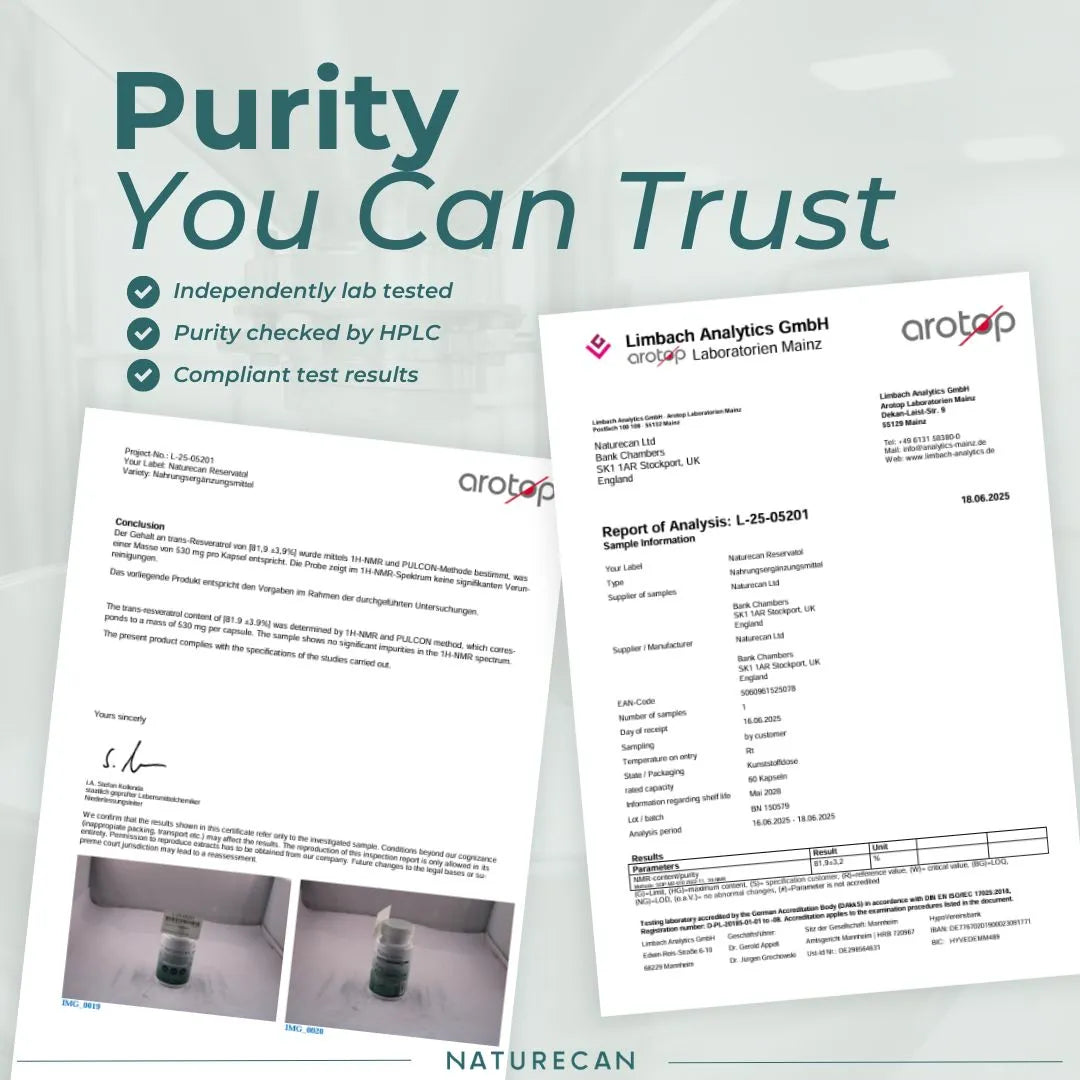
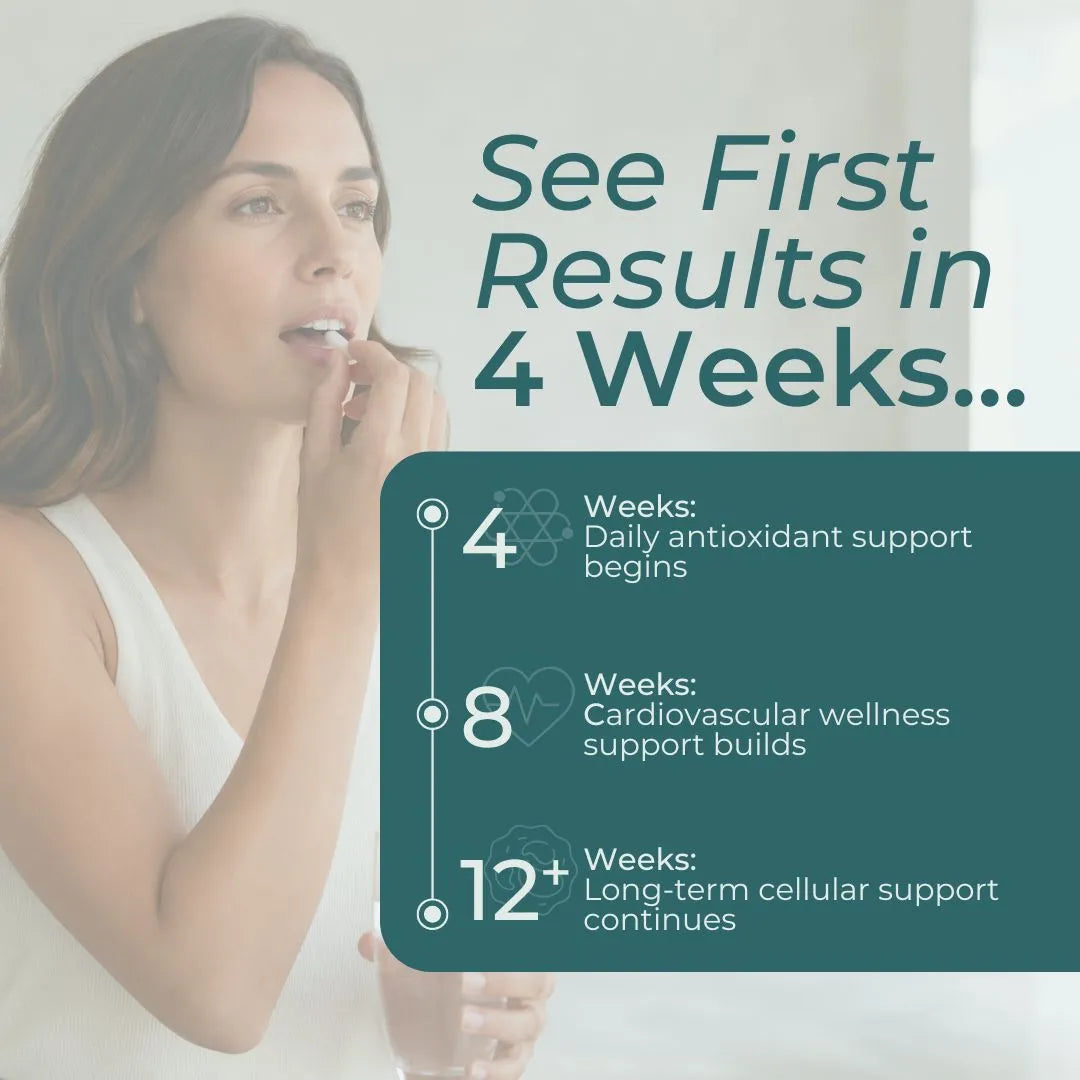
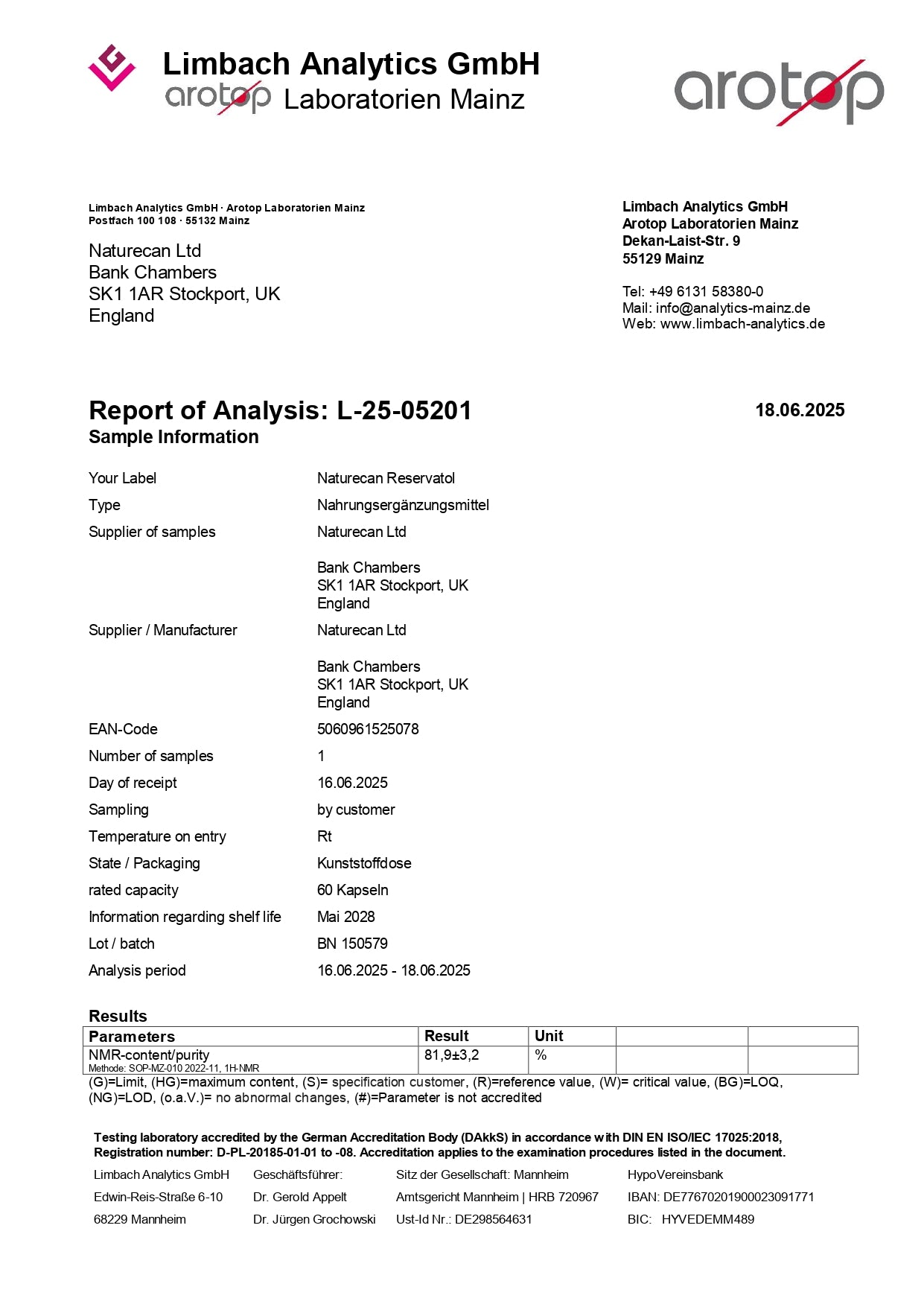
Discover our high purity Resveratrol & Rosemary supplement! Our Resveratrol supplements are designed to support your cardiovascular health and overall well-being.
- 500mg of Resveratrol per capsule
- Premium capsule technology
- May improve cardiovascular health
- Two-month supply of capsules
- Suitable for vegans
- Made in Europe

How Free Radicals Accelerate Ageing and Damage Cells
Free radicals not only place your cells under short-term stress — with the passing of time, they may even add to the ageing process itself. That gives rise to the so-called free radical theory of ageing.
When oxidative stress is chronic, it interferes with the functioning, repair, and regenerating of the cells. The nucleus (where you keep your DNA), the energy-producing mitochondria, and even the communication-enhancing cell membranes get affected.
Here’s how this damage shows up at the cellular level:
- DNA damage – Free radicals can cause mutations or strand breaks, impairing gene expression and increasing the risk of disease⁹
- Lipid peroxidation – This process breaks down the fatty acids in your cell membranes, leading to inflammation and weakened barrier function¹⁰
- Protein oxidation – When proteins are damaged, they lose their shape and function, disrupting enzymes, hormones, and cell signalling
- Mitochondrial dysfunction – Your mitochondria are particularly sensitive to oxidative stress. Damaged mitochondria produce even more free radicals, creating a vicious cycle¹⁰

Over time, this internal wear-and-tear contributes to visible signs of ageing — like wrinkles, low energy, and joint stiffness — but it also accelerates biological ageing deep inside your body.
One of the most well-documented markers is telomere shortening. Telomeres are the protective caps at the ends of your chromosomes, and oxidative stress is known to shorten them faster than usual.
When telomeres become too short, cells can no longer divide properly, leading to tissue degeneration¹¹.
To learn more about this process, visit our articles on telomeres and ageing and the difference between chronological vs biological age.
Fortunately, there are ways to help. Our Cellular Energy Bundle is designed to support mitochondrial health, antioxidant defences, and DNA protection.
Complete Longevity Bundle By Naturecan
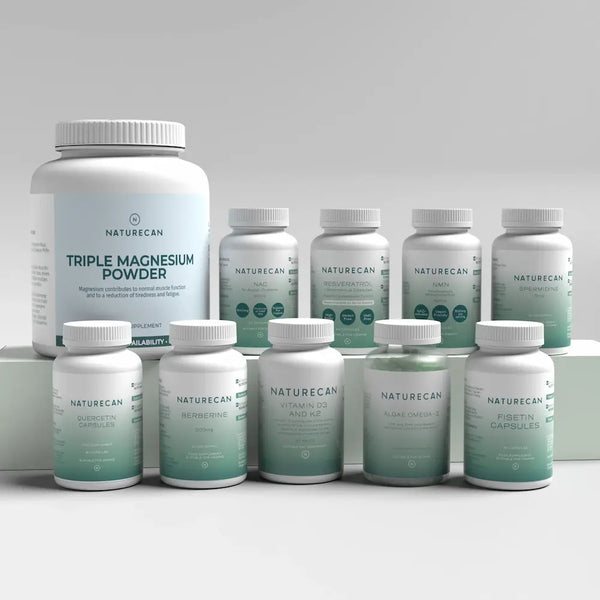
Optimise your health long-term. Our Complete Longevity Bundle brings together ten of the best supplements for consistent healthy ageing and well-being, all in one convenient, cost-effective bundle.
- Supports cellular health and energy production
- Helps maintain cognitive function and brain performance
- Contributes to immune system and heart health
- More affordable than buying supplements individually
- Available in various monthly supplies
- Includes 10 different supplements


The Longevity Guide: Everything You Need to Know About Longevity


This is our complete beginner's guide to Longevity. We explain what it is, what studies are available, where it comes from, what it is used for, and a few other facts you may not know.
Antioxidants – Your Body’s Natural Defence
To protect itself from free radical damage, your body relies on antioxidants — molecules that neutralise harmful oxidants before they can harm your cells. Antioxidants work by donating an electron to stabilise free radicals without becoming unstable themselves. This stops the chain reaction that would otherwise cause oxidative stress.
Types of Antioxidants
Our body employs a combination of endogenous (produced by your cells) and exogenous (from the diet or supplements) antioxidants to remain in equilibrium:
Endogenous antioxidants include enzymes like:
- Superoxide dismutase (SOD)
- Catalase
Glutathione – often called the “master antioxidant” for its role in detoxification and cellular repair¹²
Dietary antioxidants come from fruits, vegetables, and specific supplements. These include:
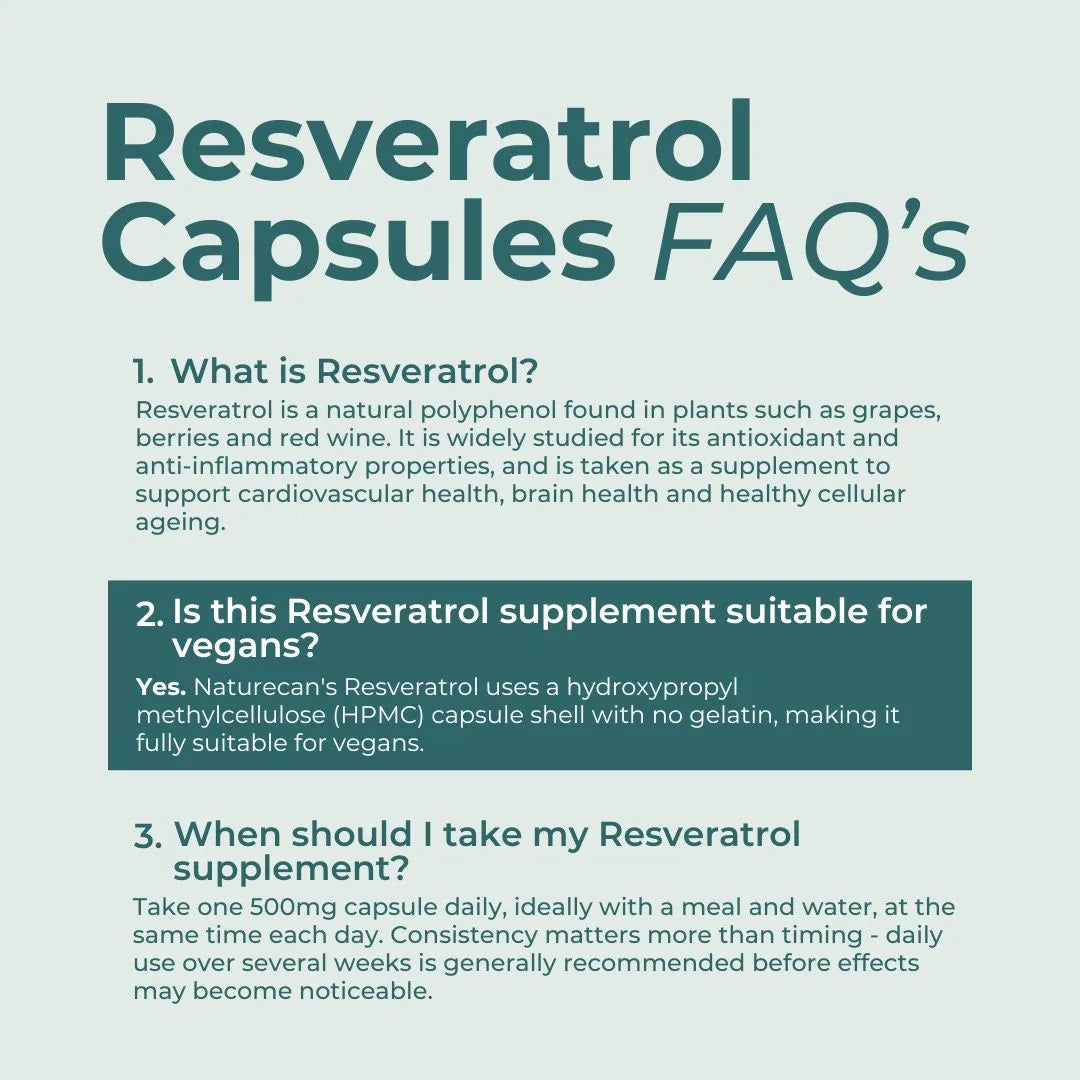
- Resveratrol, a polyphenol in grapes and red wine – available in resveratrol capsules
- CoQ10, which supports mitochondrial energy – available in CoQ10 capsules
- Shilajit, a mineral-rich extract with antioxidant and adaptogenic properties – explore our pure Shilajit extract
For a deeper dive into how antioxidants work and why they matter, visit our antioxidants article.
When your diet is low in colourful plants, or if you’re under extra stress, supplementing can offer a convenient way to restore redox balance and protect against oxidative damage.
How to Reduce Free Radicals Naturally
While free radicals are unavoidable, there’s a lot you can do to reduce their production and boost your body’s antioxidant defences. A combination of healthy lifestyle choices and targeted supplementation can make a real difference to your long-term wellbeing.
Lifestyle Tips to Minimise Oxidative Stress
Many of the most effective strategies for reducing free radical damage start with simple, daily habits:
- Eat more colourful fruits and vegetables – Rich in antioxidants like vitamin C, beta-carotene, and polyphenols
- Include cruciferous veg – Broccoli, cauliflower and kale support liver detoxification and antioxidant enzyme systems
- Drink green tea – Packed with catechins (especially EGCG), known for their free radical scavenging properties
- Get quality sleep – Sleep is essential for restoring redox balance and reducing inflammation¹⁴
- Exercise regularly – Moderate activity boosts your body’s natural antioxidant enzymes
- Reduce chronic stress – Long-term stress increases cortisol and oxidative burden

Want more real-life examples? Explore the Top 10 Natural Anti-Inflammatories, and discover why the Blue Zones Diet is considered one of the healthiest in the world.
Want more tips to lower your cortisol levels?

Download our practical guide!
Breathing techniques, diary suggestions and much more!
In our guide, we provide you with 5 practical tips that you can easily incorporate into your daily routine to lower your cortisol levels!
Improve Your Longevity Journey With Our Range

The Blue Zones Diet | Secret From The Longest Living People In The World
What if the secret to a long, healthy life wasn't hidden in a lab or locked behind high-tech supplements—but growing quietly in gardens, bubbling in fermented teas, and shared over humble meals with your loved ones? That’s the essence of the Blue Zones Diet, shaped by the world's longest-living communities.
Read MoreDo You Need an Antioxidant Supplement?
Even with a good diet and lifestyle, your body might not always keep up with free radical exposure — especially with age, pollution, stress, or nutrient gaps. That’s where antioxidant-supporting supplements can help.
Here are some of the most effective:
- NAC (N-acetyl cysteine) – Boosts glutathione, your body’s master antioxidant¹⁵
- Glycine powder – Works with NAC to improve mitochondrial health and redox balance
- NMN powder – Increases NAD+, a molecule essential for energy metabolism and DNA repair
- Spermidine – Supports autophagy, helping to remove damaged cells
- Berberine capsules – Supports healthy blood sugar
- Fisetin – A senolytic antioxidant studied for its anti-ageing potential
- Glynac – A researched combo for oxidative stress, ageing, and mitochondrial support¹⁶
Apigenin and Free Radical Protection
Apigenin is a plant flavonoid found in parsley, chamomile, and certain fruits and vegetables.
It’s being studied for its antioxidant and anti-inflammatory potential, making it an exciting compound in the field of healthy ageing.
Research suggests apigenin can:
- Help neutralise reactive oxygen species (ROS) before they damage cells
- Support DNA stability by protecting genetic material from oxidative stress
- May modulate inflammatory pathways, reducing cellular wear over time
- Potentially promote autophagy, your body’s natural clean-up process of damaged components¹⁷
Although apigenin is present in many foods, concentrated supplementation may deliver higher levels.

Final Thoughts – Protecting Your Health from Free Radicals
Free radicals are a natural part of life — but when they build up unchecked, they can speed up ageing and increase your risk of chronic illness.
The good news is, you have more control than you might think.
By combining a diet rich in antioxidants, healthy lifestyle habits, and — when needed — targeted supplements, you can protect your cells, support energy production, and promote healthy ageing.
At Naturecan, we’re committed to providing both education and science-backed products to help you take proactive steps today for a healthier tomorrow. Whether it’s a tailored formula like our Complete Longevity Bundle or keeping up with the Top Longevity Trends in 2025, the path to better health starts with small, consistent actions. Your future self will thank you for the steps you take now.
FAQs - Free Radicals Explained
What are free radicals in your body?
Free radicals are unstable molecules that have lost an electron. They form naturally during processes like metabolism and immune responses, but can also result from environmental factors like pollution or smoking. In excess, they trigger oxidative stress, which damages cells and accelerates ageing. Learn more in our oxidative stress guide.
How do you remove free radicals from the body?
Your body neutralises free radicals using antioxidants — both those it produces and those you consume. Eating colourful vegetables, exercising regularly, and getting enough sleep help. Supplementing with ingredients like NAC, glycine, and NMN can further support antioxidant defences.
What are examples of free radicals?
Common examples include:
Superoxide, Hydroxyl radical, Hydrogen peroxide,
Nitric oxide.
What foods are high in antioxidants?
Berries, leafy greens, nuts, seeds, green tea, and colourful vegetables are top choices. The Blue Zones Diet is a great model for an antioxidant-rich lifestyle.
What vitamin is best for fighting free radicals?
Vitamin C is one of the most studied antioxidants, helping neutralise ROS and support collagen production. You can get it naturally from fruits and vegetables or via Vitamin C capsules.
Does coffee get rid of free radicals?
Coffee contains polyphenols that may help reduce oxidative stress. However, green tea often scores higher for antioxidant activity due to its EGCG content. Learn more in our natural anti-inflammatories guide.
Which is healthier, coffee or green tea?
Both have benefits, but green tea is richer in catechins, which are particularly effective antioxidants. Some people enjoy both for variety.
Does oxidative stress cause grey hair?
Oxidative stress is thought to play a role in hair pigmentation loss, but ageing, genetics, and nutrient deficiencies also contribute. Protecting your cells with a diet rich in antioxidants — and supplements like resveratrol — may help slow the process.

Reviewed by Paul Holmes
Director of Science and Innovation at Naturecan
Testing for large pharmaceutical & tobacco companies, Paul has built a wealth of scientific and regulatory knowledge, working on regulatory submissions to bodies such as the FDA and the MHRA.
He holds a BSc in Medicinal and Biological Chemistry and sits on the UKAS CBD Food Product Approval Expert Group.