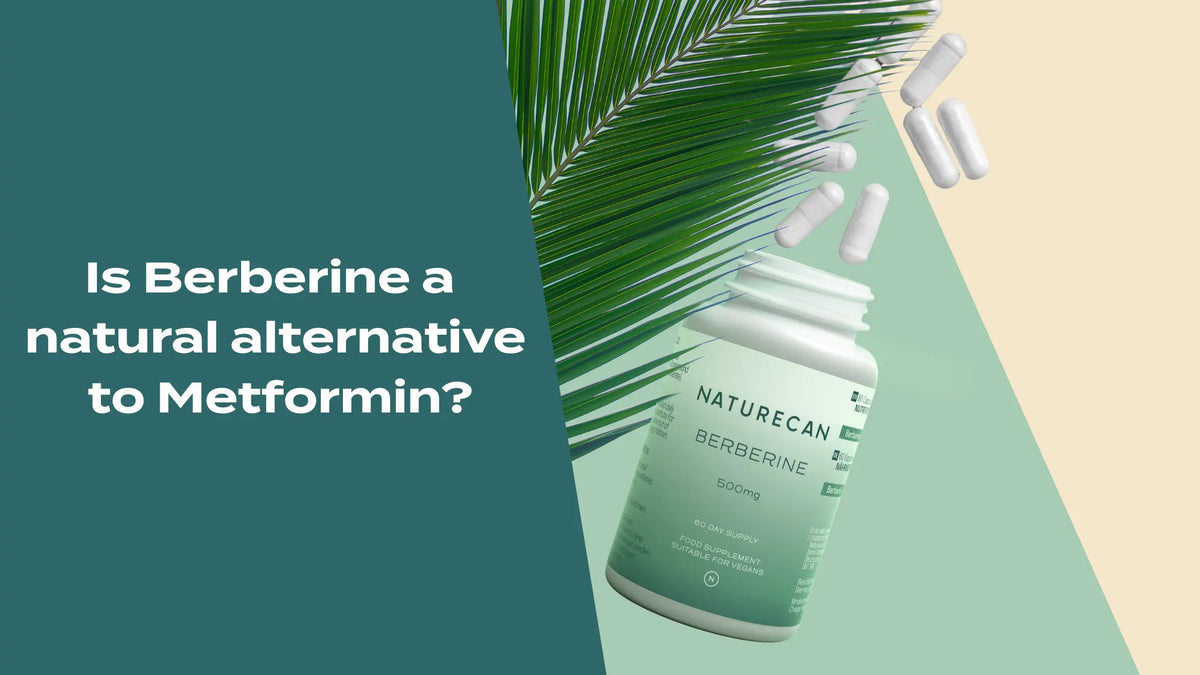
Is Berberine a Natural Alternative to Metformin?
Considering berberine alongside your usual routine? Read the evidence and check with your prescriber or pharmacist first, then see what’s in our supplement.
Explore Naturecan’s Berberine

Managing blood sugar levels is a priority for millions of people worldwide, especially those dealing with type 2 diabetes and insulin resistance. While metformin remains one of the most prescribed medications for controlling blood glucose, many people are now seeking natural alternatives due to potential side effects and long-term concerns.
Berberine, a compound extracted from plants like Berberis and goldenseal, is gaining popularity as a potential natural substitute for metformin. But is berberine truly a natural alternative to metformin? This article explores how it compares, what the research does and doesn't show, and what you need to know before taking the two together.
Short Answer
No. Berberine is not a like-for-like natural replacement for metformin. Short-term studies, mostly lasting one to three months, suggest it may modestly improve some glucose markers, such as fasting glucose and HbA1c (1,2), but it doesn't have metformin's long-term clinical evidence, licensed dosing or monitoring framework. Please don't replace or combine it with prescribed glucose-lowering medication without speaking to your prescriber or pharmacist.
What is Metformin and How Does It Work?
Metformin is the most commonly prescribed medication for managing type 2 diabetes, known for its ability to reduce blood sugar levels effectively. It primarily works through three key mechanisms:
- Reduces glucose production in the liver: Metformin inhibits hepatic gluconeogenesis, which lowers the amount of glucose released into the bloodstream.
- Enhances insulin sensitivity: It improves the body’s response to insulin, allowing muscle cells to absorb glucose more effectively.
- Decreases glucose absorption: Metformin reduces the amount of glucose absorbed from the intestines, further aiding in blood sugar control.
Prescribing has moved on a little, too. In February 2026, NICE updated its type 2 diabetes guideline. For adults with no relevant comorbidity, it now recommends modified-release metformin alongside an SGLT-2 inhibitor, and an SGLT-2 inhibitor on its own if metformin is contraindicated or not tolerated (3).
While metformin is effective in improving glycaemic control, its long-term use is often accompanied by undesirable side effects. Gastrointestinal discomfort, including nausea, bloating, and diarrhoea, is a common complaint, particularly when treatment is initiated or doses are increased.
The MHRA (2022) now considers reduced vitamin B12 levels a common side effect of metformin, and the risk rises with higher doses and longer treatment (4,5). Low B12 can lead to neuropathy, fatigue, and cognitive impairment if left untreated. If you take metformin and notice new or worsening tiredness, a sore and red tongue, pins and needles, or pale or yellow skin, tell your doctor rather than stopping it yourself (5).
In rare cases, metformin may cause lactic acidosis, a potentially life-threatening condition that results from the accumulation of lactic acid in the bloodstream.
Although this condition is uncommon, individuals with impaired kidney or liver function are at higher risk.
What is Berberine?
Berberine is a bioactive compound found in various plants, including Berberis shrubs, goldenseal, and tree turmeric. Traditionally used in Chinese and Ayurvedic medicine, berberine is now being studied for its effects on blood glucose and other metabolic markers.
A comprehensive study published in the Journal of Clinical Endocrinology and Metabolism further supports these findings, showing that berberine significantly improves insulin sensitivity and reduces fasting glucose and HbA1c levels in patients with type 2 diabetes. The study highlighted that berberine’s effects on glucose metabolism are comparable to those of metformin, making it a promising potential natural alternative for managing blood sugar. [9]
Read more in our blog about berberine and its potential benefits.
How Berberine Works:
1. Activates AMPK (Adenosine Monophosphate-Activated Protein Kinase): Often referred to as the “metabolic master switch,” AMPK regulates glucose metabolism and energy balance. In cell and animal work, berberine inhibits mitochondrial respiratory complex I, which activates AMPK (6).
2. May improve insulin sensitivity and glucose uptake in cells: Berberine appears to enhance insulin signalling pathways, allowing cells to absorb glucose more efficiently, which could help explain the small improvements in insulin resistance seen in trials (1).
3. May reduce glucose production in the liver: Like Metformin, berberine is thought to inhibit gluconeogenesis in the liver, reducing the amount of glucose released into the bloodstream. Most of this mechanistic work comes from cell and animal studies, so it tells us how berberine might work rather than proving that it does in people.
Berberine vs. Metformin: At a Glance
When comparing berberine and metformin, it is essential to assess their effectiveness, safety, and broader health benefits. Both have been studied for their effects on blood glucose, but the length and quality of the evidence behind them is very different.
| Feature | MetforminPrescription medicine | BerberineFood supplement |
|---|---|---|
| Regulatory status | Licensed prescription medicine for type 2 diabetes(5) | Food supplement. Not authorised to prevent, treat or cure any condition(7) |
| Length of evidence | Established first-line treatment(3) | Mostly trials lasting one to three months(2) |
| Intended role | Prescribed to manage type 2 diabetes, with monitoring(3) | Sold as a supplement. Some trials tested it as an add-on to medication, not a replacement(2) |
| Effects studied | Blood glucose control in type 2 diabetes(3) | Small average falls in fasting glucose, HbA1c and fasting insulin in short trials(1,2) |
| Common side effects | Nausea, bloating, diarrhoea; reduced vitamin B12 is common(3,5) | Abdominal pain, constipation, diarrhoea, nausea, vomiting(8) |
| Medicine interactions | Reviewed by your prescriber or pharmacist as part of treatment | May interact with other medicines, including glucose-lowering drugs(8) |
| Long-term outcomes | Long-term monitoring advice exists, including B12 checks where needed(5) | Not established. Longer, head-to-head trials are still needed(2) |
Key Takeaway
Berberine may modestly improve some glucose markers in short trials, but it is a food supplement rather than a licensed treatment, and it hasn't been shown to match metformin over the long term (2,7). Please consult a doctor for advice and do not replace any prescription medications with supplements unless advised by a doctor.
Can You Take Berberine With Metformin?
Some people do, and some trials have tested exactly that. In a 2024 analysis of 50 trials, adding berberine to glucose-lowering medicines was linked to bigger falls in fasting glucose, post-meal glucose and HbA1c than the medicines alone. The same authors called for stronger head-to-head and interaction research, though, so it's not a green light (2).
The practical worry is simple. Both can lower blood glucose, so taking them together may push your levels lower than your prescriber intended. Berberine may also interact with other medicines (8), and the digestive side effects of the two can overlap (3,8).
If you take metformin or any other glucose-lowering medicine, speak to the prescriber or pharmacist managing it before you add berberine, and tell them about any supplement you already take (7). Please don't stop or reduce metformin yourself without talking to your doctor first (5).

Naturecan Berberine Supplement: A Natural Choice
Naturecan offers a premium Berberine Supplement derived from high-quality natural sources, ensuring maximum purity and efficacy. With a commitment to providing GMO-free, organically grown supplements, Naturecan tests its products extensively to guarantee safety and potency.
By choosing Naturecan’s Berberine, customers can trust they are getting a supplement that supports their blood sugar and metabolic health naturally.
Key Benefits of Naturecan’s Berberine:
- Promotes healthy glucose metabolism and insulin sensitivity
- Helps to maintain a normal cholesterol level.
- Helps to reduce blood triglyceride levels.


What the Clinical Evidence Actually Shows
The most reliable picture comes from reviews that pool many trials, rather than any single study. A 2023 review of 20 placebo-controlled trials (1,761 people) found that berberine lowered fasting glucose by an average of 0.52 mmol/L and HbA1c by 4.48 mmol/mol (seven of the trials reported HbA1c). It also lowered fasting insulin and a measure of insulin resistance (1).
A 2024 review of 50 randomised trials and 4,150 people reached a similar place. On its own, berberine lowered fasting glucose by 0.59 mmol/L on average compared with placebo or usual treatment. Added to existing glucose-lowering medicines, it was linked to a further 0.69% fall in HbA1c compared with the medicines alone (2).
These are modest changes from short trials. Most ran for one to three months, and the 2024 authors themselves point to the need for more head-to-head research and work on how berberine behaves alongside glucose-lowering medicines (2). The US National Center for Complementary and Integrative Health takes a similar line, describing “some evidence” of a modest effect on blood glucose in type 2 diabetes (8).

Then there is the study quoted most often. In 2008, a small trial randomly assigned 36 adults with newly diagnosed type 2 diabetes to berberine or metformin for three months and found a similar glucose-lowering effect. Its authors called it a pilot study. Thirty-six people over three months can't tell us how the two compare over years, and it isn't evidence that berberine can stand in for metformin (9).
Berberine's antioxidant and anti-inflammatory properties have also attracted interest, but their clinical significance is still unclear (10).
Potential Side Effects and Who Should Avoid Berberine
While berberine is generally well tolerated (8), some individuals may experience mild side effects, such as:
- Gastrointestinal discomfort
- Mild cramping or diarrhoea
- Nausea, vomiting or constipation
Who Should Avoid Berberine
- Pregnant or breastfeeding women (8)
- Babies and infants (8)
- Individuals taking medications for blood pressure or blood sugar (consult a healthcare professional before use); the same goes for anyone taking regular prescription medicine or living with a medical condition (7)
NCCIH advises against use in pregnancy and while breastfeeding, and warns that berberine can cause or worsen jaundice in newborn babies (8). If you feel unwell after taking any supplement, stop taking it and contact a healthcare professional rather than adjusting the dose yourself (7).

Our Quality and Dosage Note
At Naturecan, we recommend following the product label: one 500 mg capsule daily with food. The product is third-party tested and we publish its Certificate of Analysis, with testing that tells you exactly what is in the capsule. If you use metformin or another glucose-lowering medicine, speak to your prescriber or pharmacist before adding berberine, and don't take more than the label recommends (7).
Conclusion: Can Berberine Replace or Support Metformin?
While metformin remains an effective first-line treatment for type 2 diabetes (3), berberine may offer additional benefits, including anti-inflammatory support and potential longevity-promoting properties. However, individuals should not stop taking prescribed medications or make changes to their treatment plan without first consulting a qualified healthcare provider.
For those looking to explore a natural approach to blood sugar management, Naturecan’s Berberine Supplement is a safe, high-quality option that aligns with health goals.
Berberine and Metformin: Quick Answers
Is berberine a good substitute for metformin?
No. Metformin is a licensed medicine and an established first-line treatment, while berberine is a food supplement studied mainly in short trials(2,3). Speak to your prescriber before changing any treatment.
How do the side effects compare?
Both can upset the stomach. Metformin commonly causes nausea, bloating or diarrhoea and can lower vitamin B12 over time(3,5), while berberine's most common effects are abdominal pain, constipation, diarrhoea, nausea and vomiting(8). There isn't enough head-to-head evidence to say that one is gentler than the other(2).
Who should avoid berberine?
Anyone who is pregnant or breastfeeding, and it shouldn't be given to infants(8). If you take prescription medicines or have a medical condition, check with your GP, prescriber or pharmacist first(7).
If you have spoken to your prescriber or pharmacist and want to know more about the product, you can read about our Berberine Supplement.