

Berberine and GLP-1 Supplements: Alternatives to Ozempic and Mounjaro?

Author: Jordan Caulfield | Reviewed by: Paul Holmes | Updated: July 2026

Searches for “natural Ozempic” usually come from people looking for one of three things: better appetite control, steadier blood sugar or support with weight management. The difficulty is that these goals are often treated as though they are interchangeable.
Ozempic and Mounjaro are prescription medicines with direct and powerful effects on hormone receptors involved in appetite and blood glucose regulation. Foods and supplements may influence some related pathways, but they do not reproduce the same mechanism or expected level of weight loss.
This guide explains what “natural Ozempic” can realistically mean, compares the leading options, such as berberine or GLP-1 supplements, and helps you identify which approach is most relevant to your goal. You can also explore Naturecan’s GLP-1 Collection for relevant products mentioned throughout this guide.
The quick answer
There is no natural equivalent to Ozempic or Mounjaro. Berberine has some evidence for supporting blood glucose and lipid markers, while fibre, protein, meal composition and post-meal activity may help with fullness or post-meal glucose. Their effects are generally smaller, less predictable and not a substitute for clinically indicated treatment.
Choose the option that matches your goal
Start here
Protein, fibre and meal structure
Why?
These strategies target meal satisfaction and appetite rather than directly activating GLP-1 receptors.
Ozempic, berberine and lifestyle strategies at a glance
| Option | What it does | Evidence for weight loss | Best understood as |
|---|---|---|---|
| Ozempic (semaglutide) | Directly activates GLP-1 receptors. Licensed for type 2 diabetes. | Strong in appropriate clinical populations, but Ozempic itself is not licensed as a general weight-loss product. | Prescription diabetes medicine |
| Wegovy (semaglutide) | Uses semaglutide at a licensed weight-management dose alongside diet and activity. | Strong in eligible adults receiving clinical support. | Prescription weight-management medicine |
| Mounjaro (tirzepatide) | Activates GIP and GLP-1 receptors. | Strong in eligible clinical populations. | Prescription diabetes and weight-management medicine |
| GLP-1 supplements | Combine nutrients or botanicals intended to support fullness, carbohydrate digestion or metabolic markers. | Evidence is generally limited or indirect. | A convenient format that may support specific goals, not a natural form of prescription GLP-1 treatment. |
| Berberine | Influences several metabolic pathways, including AMPK-related signalling. | Limited and inconsistent; effects are much smaller than prescription medicines. | Metabolic-support supplement |
| Reducose / mulberry leaf extract | Slows the digestion of some carbohydrates by inhibiting alpha-glucosidase. | Not primarily established as a weight-loss ingredient. | Post-meal glucose-support supplement |
| Protein, fibre and activity | May support fullness, dietary consistency, muscle retention and glucose handling. | Useful components of a wider weight-management plan. | Lifestyle foundation |
What does “natural Ozempic” actually mean?
The phrase is not a medical category. It is commonly used in three different ways, and separating them prevents misleading comparisons.
1. Something that works through the same receptor
No currently marketed food supplement directly reproduces the licensed, dose-controlled GLP-1 receptor action of semaglutide. Products labelled as “GLP-1 supplements” usually combine ingredients such as berberine, mulberry leaf extract, fibre, protein-related nutrients or other botanicals. Their effects depend on the individual ingredients, and they should not be treated as a single clinically proven category.
2. Something that may influence the body’s own appetite or glucose signals
Protein, fibre, mixed meals and certain plant compounds can affect digestion, fullness and gut-hormone responses. This does not mean they create a drug-like GLP-1 effect. The size and duration of the response are different, and findings from one food or study population cannot automatically be applied to everyone.

3. Something that supports a similar end goal
A person searching for a natural alternative may simply want less hunger, fewer energy dips or a more structured weight-management routine. Those goals can often be approached with nutrition, activity, sleep and, where appropriate, supplements. The right choice depends on the outcome being targeted.
What Is Ozempic?
Ozempic is the brand name for semaglutide, a GLP-1 receptor agonist originally developed to treat Type 2 diabetes. It works by mimicking a hormone called GLP-1 (glucagon-like peptide-1), which regulates blood sugar and reduces appetite. It is administered as a weekly self-injection and is licensed for Type 2 diabetes management by the MHRA. Its use for weight loss in people without diabetes remains off-label in many contexts, though a related medication, Wegovy, is licensed specifically for obesity management.
Mounjaro (tirzepatide) is a newer GLP-1 and GIP dual receptor agonist that is licensed in Australia for type 2 diabetes and, for eligible adults, weight management. [13]
Are GLP-1 medicines safe?
GLP-1 medicines have been through clinical assessment, but like all medicines they can cause side effects [12,14]. Common effects include nausea, vomiting, diarrhoea and constipation, particularly during dose escalation. Product information also covers less common but important risks and situations where treatment may not be suitable.
Current Australia safety update
In January 2026, the TGA strengthened warnings across GLP-1 and dual GIP/GLP-1 medicines about acute pancreatitis, including rare severe cases [12]. Anyone taking these medicines should seek urgent medical advice for severe, persistent abdominal pain that may spread to the back, particularly when accompanied by nausea or vomiting.
What is GLP-1?
GLP-1 (glucagon-like peptide-1) is a hormone produced in the gut in response to food. It signals to the pancreas to release insulin, slows the rate at which food leaves the stomach, and sends satiety signals to the brain. Higher GLP-1 activity means better blood sugar regulation, slower gastric emptying, and reduced appetite. This is why GLP-1 receptor agonists like Ozempic are effective for both diabetes and weight management.
Natural compounds including berberine and certain dietary polyphenols may influence GLP-1 signalling through gut-based mechanisms, though the effect size is considerably smaller than that of pharmaceutical GLP-1 agonists. [3]
Naturecan GLP-1 Supplement
Naturecan’s advanced daily GLP-1 Supplement is designed to support this key hormone, helping you stay on track with your weight management and metabolic health goals.
- 60 or 120 capsules per bottle (2 capsules per day: 30/60 servings)
- Convenient and easy-to-swallow capsules for daily use
- High bioavailability ingredients for optimal absorption
- Contains clinically studied ingredients: METABOLAID®, ERIOMIN®, and Chromium

The evidence-ranked natural options
Rather than ranking every ingredient as a weaker version of Ozempic, it is more useful to group options by the outcome they may support.
1. Berberine: the most searched “natural Ozempic” supplement
Berberine is a plant-derived alkaloid found in species including Berberis vulgaris and Coptis chinensis. It has a long history of traditional use and has been investigated in modern studies for blood glucose, lipid and metabolic outcomes.
Berberine is frequently called “nature’s Ozempic”, but the label is inaccurate. It does not directly activate GLP-1 receptors in the way semaglutide does. Laboratory research suggests it may influence AMPK-related cellular energy pathways, insulin sensitivity, the gut microbiome and gut-hormone signalling, but human outcomes vary by dose, population and study design.
What berberine may support
- Blood glucose and HbA1c in some people with type 2 diabetes, based on several clinical trials and meta-analyses.
- Certain blood lipid markers, although results are not uniform across studies.
- General metabolic support as part of a wider diet and activity plan.
What berberine has not been shown to do
- Reproduce the appetite suppression or average weight loss associated with prescription GLP-1 medicines.
- Replace treatment for type 2 diabetes, obesity or another diagnosed metabolic condition.
- Produce reliable, substantial weight loss when used on its own.

Berberine evidence card
What may it support?
Blood glucose and lipid metabolism in some studied populations.
Does it activate GLP-1 receptors?
No. Any influence on GLP-1 signalling is indirect and not equivalent to a receptor agonist.
How quickly was it studied?
Many trials assess outcomes over approximately 8 to 16 weeks, although study durations vary.
What are the main limitations?
Variable absorption, digestive side effects, interaction potential and inconsistent weight-loss findings.
Who needs professional advice?
Anyone using prescribed medicines, or with diabetes, liver or kidney problems, or who is pregnant or breastfeeding.
Evidence in context
Berberine has stronger evidence for certain metabolic markers than it does for clinically meaningful weight loss. Some studies report small reductions in body weight or waist measures, but the evidence includes varied populations, short study periods and frequent co-interventions such as dietary change. Results should not be compared directly with semaglutide or tirzepatide trials.
Is berberine safe?
Berberine can cause nausea, abdominal discomfort, diarrhoea, constipation or bloating. These effects may be more noticeable when starting or when larger amounts are used. Long-term, high-quality safety data are more limited than short-term trial data.
Berberine can also affect drug-metabolising enzymes and transporters, so interactions are possible. Speak to a doctor or pharmacist before use if you take prescribed medication, especially:
Medication cautions
Glucose-lowering medicines
Combined effects could increase the risk of low blood glucose.
Anticoagulants or antiplatelet medicines
Interaction or altered medicine exposure may increase safety concerns.
Ciclosporin and other narrow-therapeutic-index medicines
Berberine may alter drug metabolism or transport.
Some statins and other CYP-metabolised medicines
Medicine exposure may be affected.
How to assess a berberine supplement in Australia
- A clearly stated amount per serving, rather than a proprietary blend with hidden quantities.
- The specific berberine form and botanical source.
- Batch, identity or contaminant testing that can be verified.
- Full allergen and ingredient disclosure.
- Clear cautions for pregnancy, breastfeeding and medicine interactions.
- No claim that the product contains semaglutide or works as a direct replacement for prescription treatment.
- Realistic language about metabolic support rather than guaranteed weight loss.
2. Reducose and mulberry leaf extract
Reducose is a standardised mulberry leaf extract. Its best-supported role is not appetite suppression; it is the reduction of carbohydrate digestion speed through inhibition of alpha-glucosidase in the small intestine.
In a randomised, double-blind, placebo-controlled trial in adults without diabetes, mulberry leaf extract reduced post-meal glucose and insulin responses compared with placebo [7]. This makes it more relevant to post-meal glucose support than to direct weight loss.
Best matched goal
Mulberry leaf extract is most logically considered by people interested in the response to carbohydrate-containing meals. It should not be described as a natural form of semaglutide or as a treatment for diabetes.
People taking glucose-lowering medicines should check compatibility with a healthcare professional because combining interventions may increase the risk of blood glucose falling too low.
3. Inositol
Inositol is a naturally occurring compound involved in cell signalling. Myo-inositol and D-chiro-inositol have been researched most extensively in women with polycystic ovary syndrome, where insulin resistance can be part of the clinical picture. However, a 2024 systematic review concluded that the overall evidence remains limited and inconclusive. [15]
That evidence does not make inositol a general Ozempic alternative. It may be relevant to a specific PCOS-related goal, but it should not be presented as a universal appetite suppressant or weight-loss supplement. Anyone with suspected PCOS should seek assessment rather than relying on a supplement to self-treat symptoms.
Naturecan Myo Inositol Capsules
Naturecan's Myo Inositol Capsules deliver a clean, concentrated 1,000mg dose in every capsule.
- 60 capsules per pack (60-day supply at 1 capsule daily)
- Vegan HPMC capsule shell (no gelatin)
- Free from fillers, binders, and bulking agents
- Recommended by Nutritionist Olga Herceg

4. Protein-rich meals
Protein can increase meal satisfaction and may support fullness in some people. Systematic reviews suggest that higher-protein diets can improve appetite sensations in adults with overweight or obesity, although study methods and findings vary. [8]
A practical approach is to include a meaningful protein source at each main meal, such as eggs, fish, lean meat, tofu, tempeh, beans, lentils, Greek-style yoghurt or a suitable protein product. The appropriate amount varies with body size, diet, activity and medical circumstances.
Protein is also important during weight loss because it helps support muscle maintenance, particularly when combined with resistance exercise. This matters because rapid weight loss can include loss of lean tissue as well as body fat.


5. Fibre and high-volume foods
Fibre can support fullness by adding volume, absorbing water and slowing parts of digestion. Fermentable fibres may also be used by gut bacteria to produce short-chain fatty acids, which can interact with gut and metabolic signalling.
Psyllium has been studied for satiety. In short randomised crossover trials, doses taken before meals increased fullness and reduced hunger compared with placebo [9]. This is a satiety effect, not proof that psyllium replicates a GLP-1 medicine or causes substantial weight loss.
Food-first sources include vegetables, pulses, whole grains, fruit, nuts and seeds. Fibre should be increased gradually and accompanied by adequate fluid. People with swallowing difficulties, bowel narrowing, significant digestive disease or relevant medication should seek advice before using concentrated fibre supplements.
6. Meal order
Small crossover studies in people with prediabetes or type 2 diabetes have found that eating vegetables and protein before concentrated carbohydrate can reduce the immediate post-meal glucose rise compared with eating carbohydrate first [10].
A simple version is to begin a meal with vegetables and a protein source, then eat the starchier component. This does not require separating a meal into rigid courses, and it should not be treated as a substitute for the overall quality or quantity of the diet.
7. Walking after meals
Post-meal activity increases glucose uptake by working muscle. Systematic reviews indicate that exercise performed after eating can reduce post-meal glucose excursions more effectively than remaining inactive, with walking being the most practical option for many people [11].
A short, comfortable walk after a main meal may therefore be useful, especially after a carbohydrate-rich meal. The intensity and duration should be appropriate to the person’s mobility, fitness and medical status.

Featured Supplement:
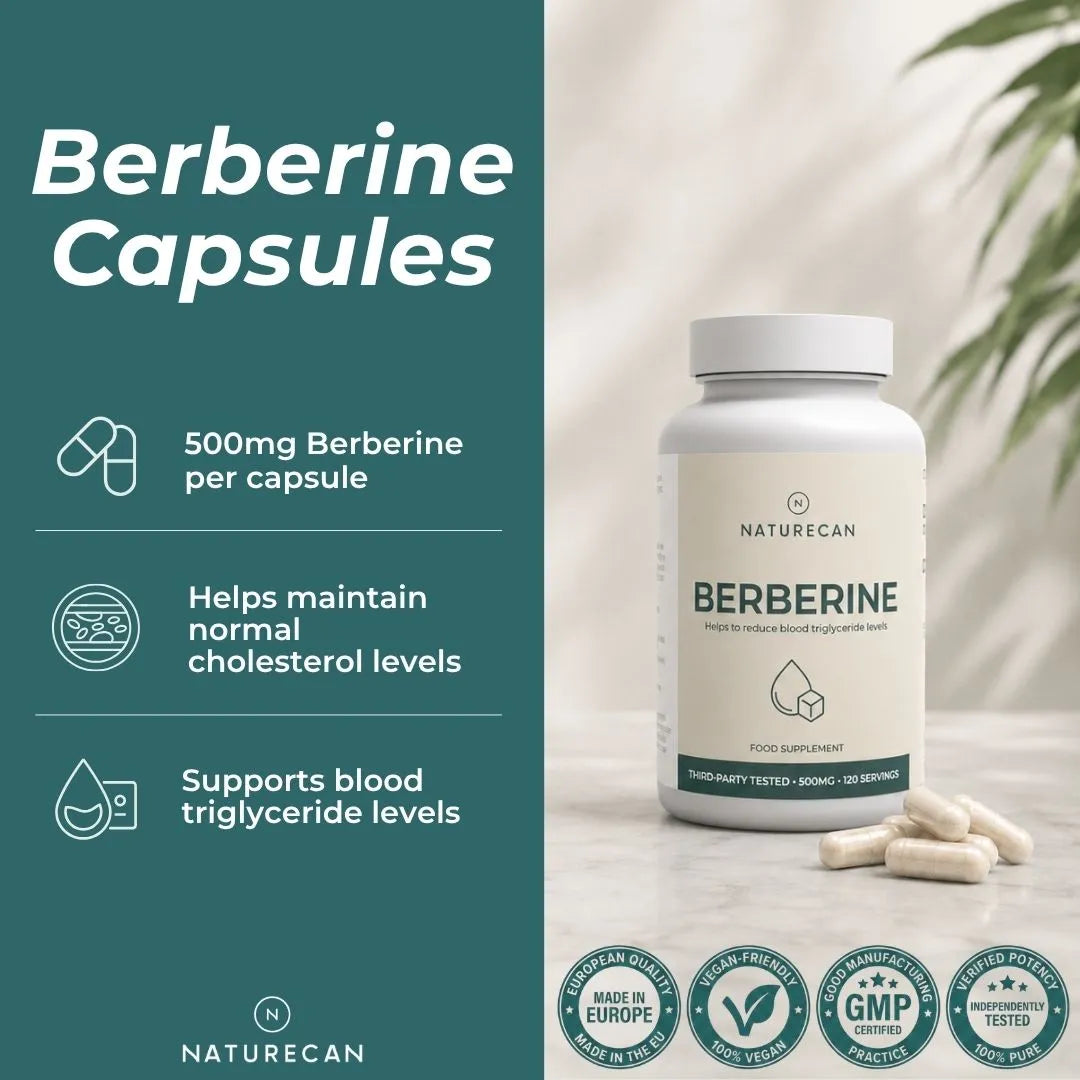
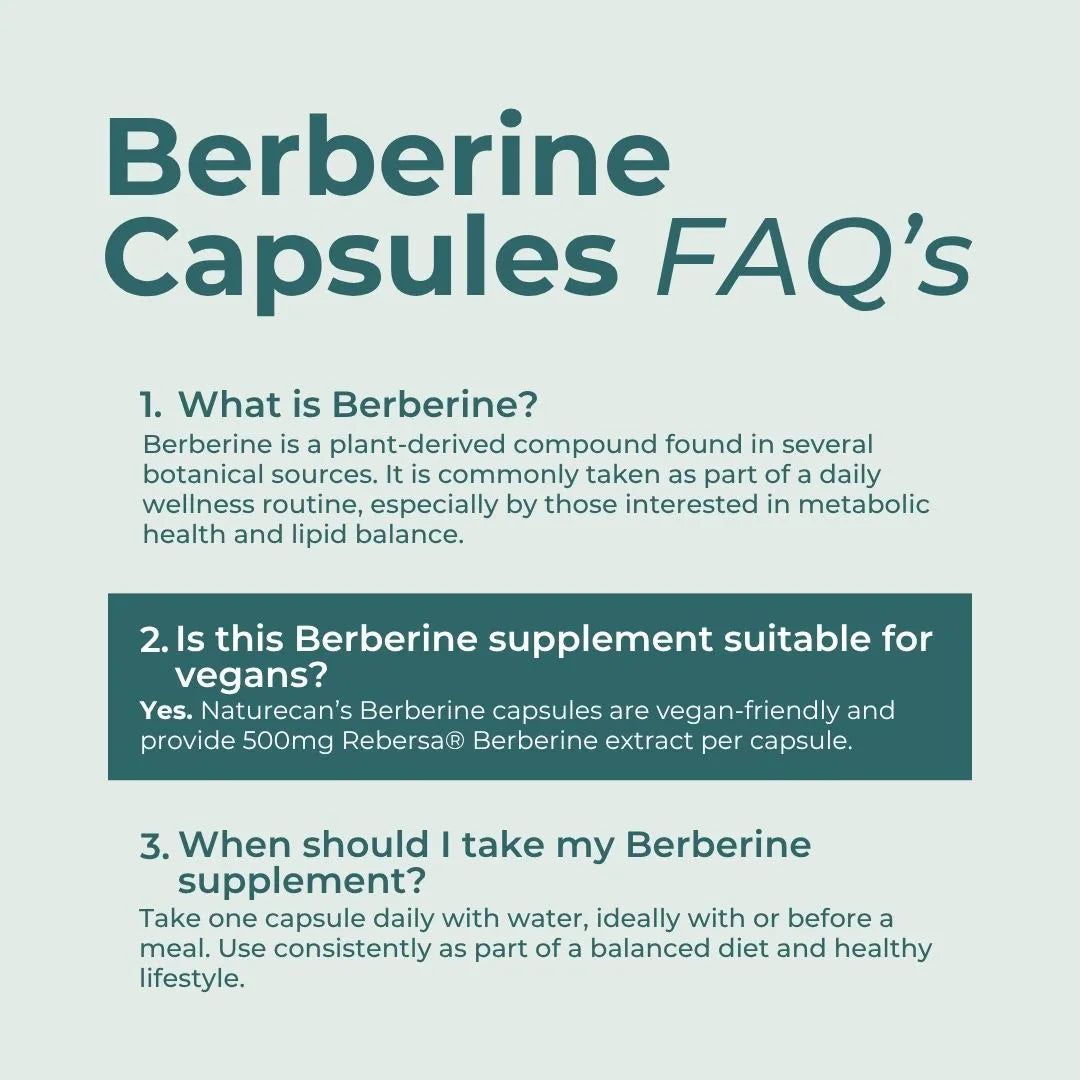
Berberine
Berberine, a plant-based compound, has emerged as a powerful natural alternative to Ozempic and Mounjaro.
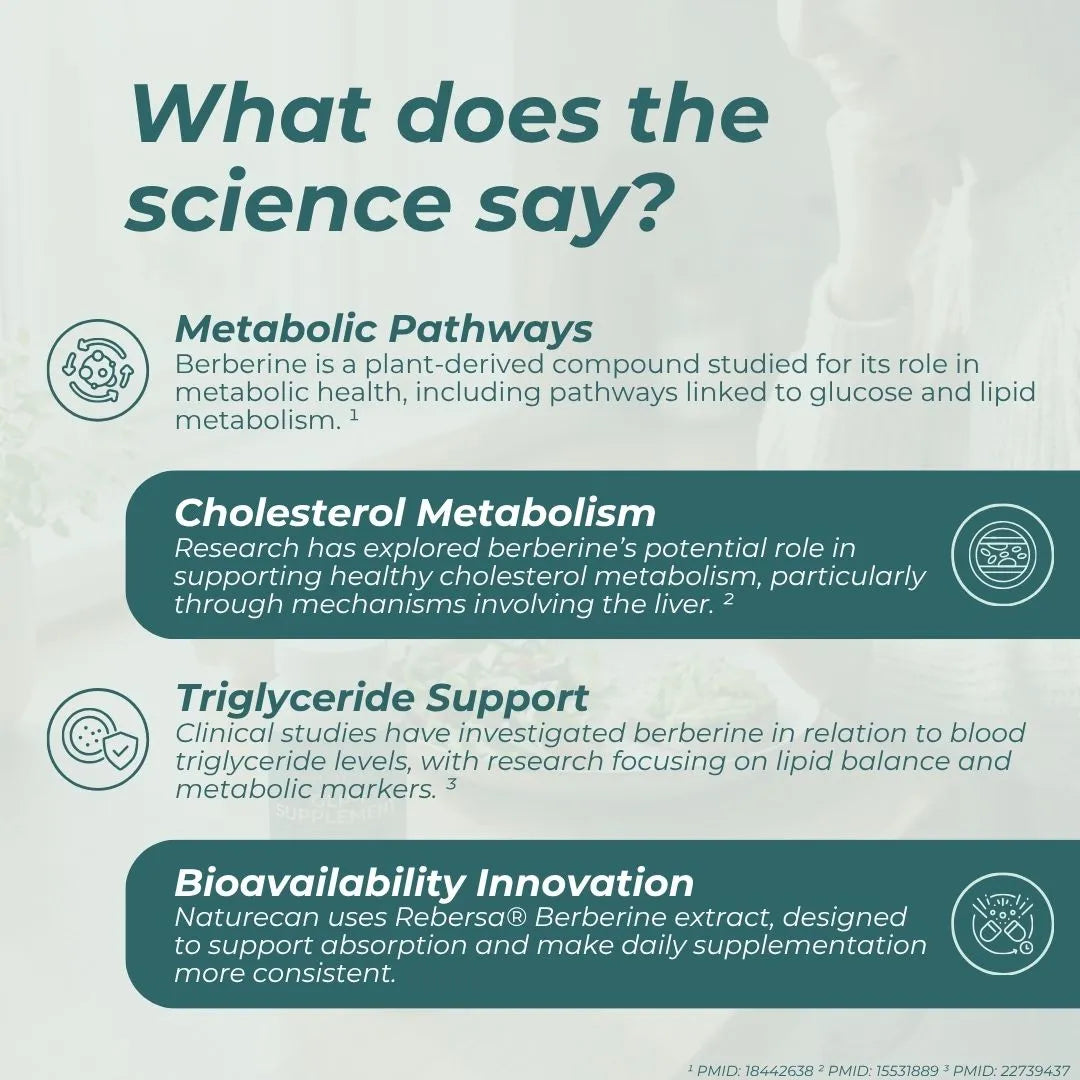
Berberine works by activating an enzyme called AMPK (Activated Protein Kinase) which plays a crucial role in glucose metabolism and energy balance.
By enhancing insulin sensitivity and glucose uptake, berberine can help reduce blood sugar spikes and potentially support weight loss, and may promote longevity.
Potential Benefits:
- Supports healthy blood sugar levels
- May improve cholesterol levels
- Vegan
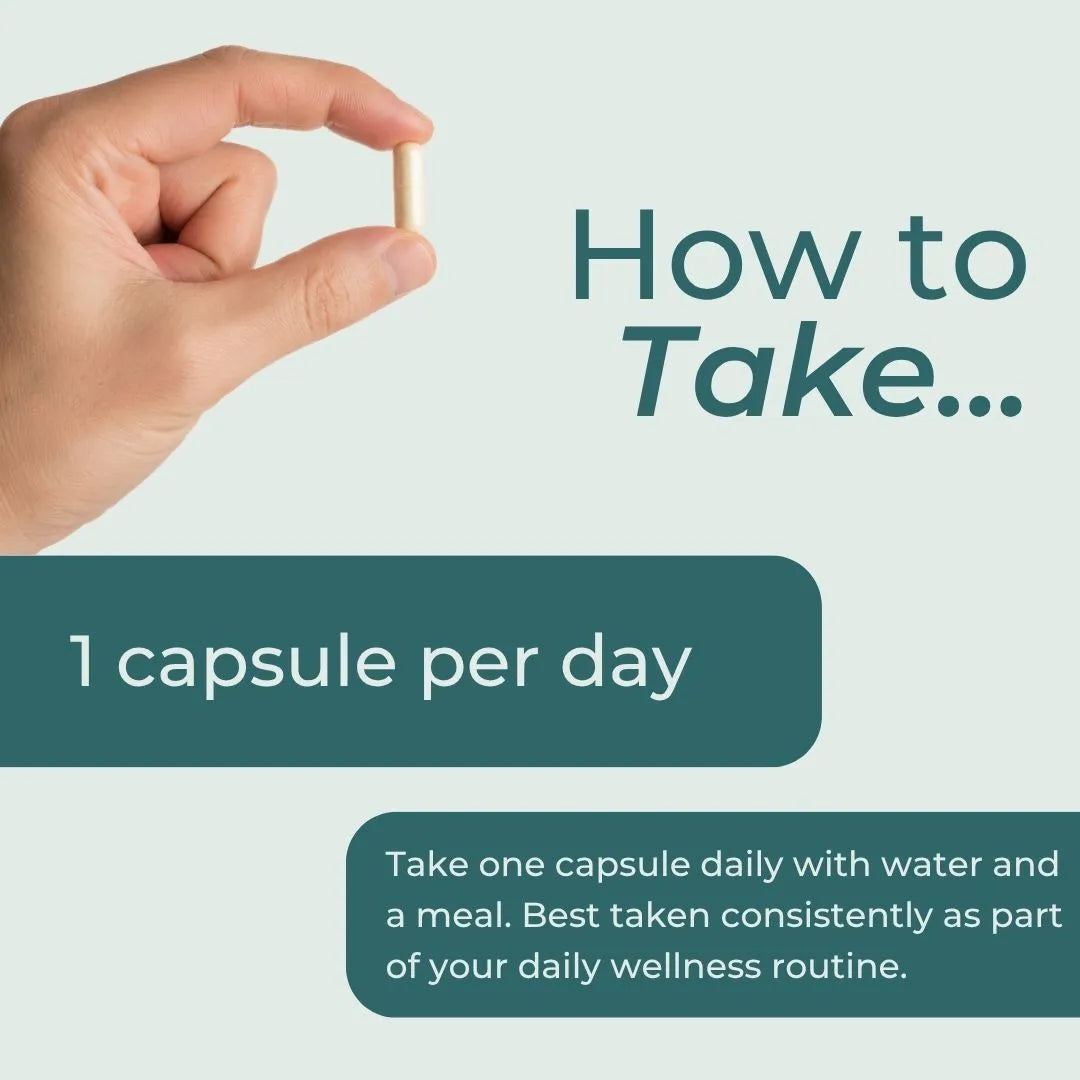
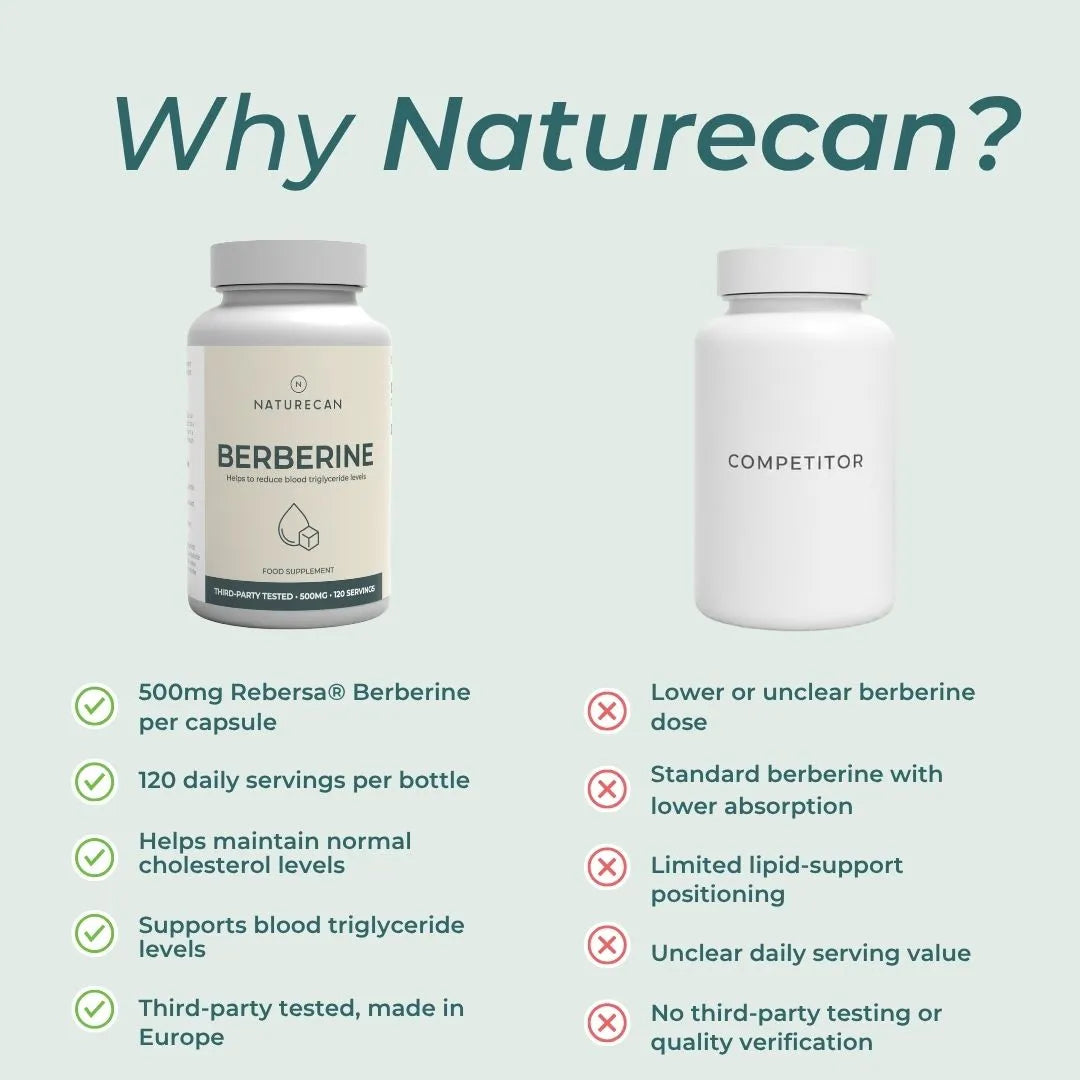
- 500mg per capsule
- 2 month supply







A practical “natural GLP-1 support” meal
The most useful strategy is often not one ingredient but a meal that combines several evidence-based principles:
| Meal component | Example | Purpose |
|---|---|---|
| Vegetables or salad | Leafy greens, peppers, tomatoes, broccoli or mixed vegetables | Adds fibre, water and volume. |
| Protein | Chicken, fish, tofu, eggs, beans or lentils | Supports fullness and muscle maintenance. |
| Higher-fibre carbohydrate | Whole grains, pulses, potatoes with skin or fruit | Provides energy with more fibre and structure. |
| Healthy fat | Olive oil, avocado, nuts or seeds | Adds palatability and may slow meal digestion. |
| After-meal movement | A comfortable 10-20 minute walk where suitable | Supports post-meal glucose handling. |
This approach supports appetite and metabolic health without claiming to imitate a prescription medicine.
Menopause, appetite and metabolic health
Perimenopause and menopause can coincide with changes in body composition, sleep, activity and how fat is distributed. These changes can make weight management feel different, but they do not mean that a supplement is a direct substitute for personalised menopause care or prescription treatment. [16]
A useful starting point is the same evidence-based foundation described above: adequate protein and fibre, resistance and aerobic activity, sleep support and meals that help manage post-meal glucose. Women with persistent symptoms, rapid or unexplained weight change, or concerns about blood glucose should speak to a GP.
Not sure whether your symptoms may relate to perimenopause or menopause?
- Take Naturecan’s free Menopause Test
- Explore the Menopause Support Collection
- View our Menopause Support Capsules
- Discover our wider guide to Supplements for women over 40
The test is a symptom-based educational tool and does not replace a medical diagnosis.

What results are realistic?
Natural strategies are usually gradual. They work through behaviour, meal composition or modest changes in metabolic markers rather than a sustained pharmacological receptor effect.

First few days
What may happen: You may notice changes in digestion, meal satisfaction or tolerance to a supplement.
Keep in mind: Do not interpret early scale changes as proof of fat loss.

After 2-4 weeks
What may happen: Meal structure and appetite patterns may become easier to evaluate.
Keep in mind: A lack of dramatic appetite suppression does not mean the overall approach has failed.

After 8-12 weeks
What may happen: Some studies assess glucose, lipid or body-measure outcomes over this period.
Keep in mind: Any change cannot automatically be attributed to one supplement when diet and activity have also changed.

After 3-6 months
What may happen: Meaningful changes in body weight are more likely to reflect the combined routine and how consistently it has been followed.
Keep in mind: Supplements should not be expected to reproduce prescription-drug results.
Track the outcome that matches your goal
Someone targeting post-meal energy may track meal composition and symptoms. Someone targeting weight management may track weekly trends, waist measurement, strength and dietary consistency. People with diabetes should use clinically appropriate monitoring agreed with their healthcare team.
Who should speak to a healthcare professional first?
Do not rely on supplements as a substitute for assessment if you have diagnosed diabetes, significant unexplained weight change, symptoms of high or low blood glucose, severe digestive symptoms or a history of pancreatitis.
Professional advice is especially important if you:
- Take any prescribed medicine, particularly medicines for diabetes, blood pressure, blood clotting, cholesterol, mood or immune suppression.
- Are pregnant, breastfeeding or trying to conceive.
- Have liver, kidney, gallbladder or significant gastrointestinal disease.
- Have a current or previous eating disorder.
- Are already using Ozempic, Wegovy, Mounjaro or another weight-management medicine.
- Are considering stopping or changing a prescribed medicine.
Can supplements be taken with Ozempic or Mounjaro?
Do not assume that “natural” means interaction-free. Combining berberine, mulberry leaf extract or concentrated fibre with prescription treatment may change blood glucose, digestive symptoms or the absorption and tolerability of medicines. A pharmacist, prescriber or dietitian familiar with your treatment can assess the specific combination.




Featured Supplement: GLP-1 Bundle
$162.99
$181.94
Naturecan’s GLP-1 Bundle combines berberine, Reducose and omega-3 as a structured supplement routine. Each component has a different purpose: berberine is included for general metabolic support, Reducose for the response to carbohydrate-containing meals and omega-3 for its established contribution to normal heart function at the required intake.
The bundle is not a pharmaceutical equivalent to Ozempic, Wegovy or Mounjaro, and it is not intended to treat obesity or diabetes. It is designed for adults seeking a practical supplement routine alongside an appropriate diet, regular activity and realistic expectations.
View Details

For further support
To learn more about supporting your body’s natural GLP-1 pathways with science-backed nutrition, discover our GLP-1 Collection, explore the individual GLP-1 Supplement, Berberine and Glucose Support Capsules.
Conclusion
There is no natural product that delivers the same mechanism or expected effect as Ozempic, Wegovy or Mounjaro. The phrase “natural Ozempic” is most useful when it is treated as a question about goals rather than a promise of a direct replacement.
Among the supplements covered here, berberine has the broadest evidence base for selected metabolic and blood sugar markers, but it is not a treatment for diabetes or obesity. [1,2,4,5] It is not a pharmaceutical equivalent of Ozempic, and no supplement can replicate the effect size of a GLP-1 receptor agonist. For people with mild to moderate weight management goals who are not at the clinical threshold for prescription treatment, it is a practical, well-researched starting point with a straightforward safety profile.
For people with obesity, type 2 diabetes or significant metabolic risk, supplements should not delay evidence-based medical care. For otherwise healthy adults seeking gradual support, the most reliable starting point is a structured plan that combines food quality, adequate protein and fibre, movement, sleep and a supplement only where it has a clear purpose.
If you are ready to explore further:
- Browse the GLP-1 Collection
- Explore Berberine
- Explore Glucose Support Capsules
- Explore the GLP-1 Supplement
- Shop the GLP-1 Bundle
Disclaimer: This article is educational and is not a diagnosis or a substitute for personalised medical advice. It should be medically reviewed before publication, particularly the sections on medicine access, contraindications, interactions and the final wording of any attributed clinical quotation.
Want practical support for your GLP-1 journey?

Download our free GLP-1 guide!
Weight-loss tips, lifestyle advice, and practical support — all in one place.
In this guide, we share easy, actionable tips to help you get the most out of your GLP-1 routine, support healthy weight loss, and build habits you can actually stick to.
FAQs

Best Longevity and Anti-Ageing Supplements
Discover the top 10 supplements to support your health and longevity!
Read Article
What Supplements Does Andrew Huberman Recommend?
Read now to learn the supplements that Prof. Huberman recommends!
Read Article
8 ways: how to boost your immune system
Want to enhance your immune system naturally, read our comprehensive guide!
Read Article


